How Can I Plan a Weekend Solo Trip as a Woman for the First Time?
Quick Answer
For your first weekend solo trip as a woman, choose an easy destination, book a well-reviewed central place to stay, and keep the itinerary simple. Plan your transportation before leaving, share your basic schedule with someone you trust, carry backup payment, and check official travel and safety information if you are going abroad.
Your first solo weekend in six steps
- Choose somewhere easy: Pick a compact destination you can reach without complicated connections.
- Book accommodation first: Prioritize location, recent reviews, clear check-in instructions, and straightforward transportation.
- Plan one anchor daily: Reserve one main activity and leave space around it instead of scheduling every hour.
- Prepare your safety plan: Save addresses offline, arrange your arrival route, and share key details with a trusted contact.
- Pack light: A small suitcase or backpack is usually enough for two nights.
- Keep an exit option: Maintain enough money, battery power, and flexibility to change plans if something feels wrong.
If you’re wondering, “How can I plan a weekend solo trip as a woman for the first time?” start smaller than your imagination may be telling you to. A two-night first-time solo female travel experience can teach you how you handle navigation, eating alone, safety decisions, downtime, and unexpected changes without committing to a long vacation.
I like weekend trips for beginners because the stakes stay manageable. You get enough time to experience independence while knowing you’ll be home again soon.
In This Guide
- How do I choose a destination for my first solo weekend?
- What should a first solo weekend itinerary look like?
- How should I book accommodation and transportation?
- How much should I budget for a weekend solo trip?
- What should I pack for my first weekend alone?
- How can I stay safe and confident while traveling alone?
- Frequently asked questions
Solo female travel means taking a trip independently as a woman without a companion responsible for sharing your transportation, accommodation, itinerary, or day-to-day decisions. It does not mean you must avoid tours, group activities, hostels, classes, or conversations with other travelers.
How Do I Choose a Destination for My First Solo Weekend?
Your best first destination is usually the one that feels interesting without being logistically difficult. You don’t need to prove anything by choosing the farthest or most adventurous place.
I suggest giving your first destination three jobs: it should be easy to reach, easy to move around, and interesting enough for two days.
Keep the travel time reasonable
A useful beginner guideline is to spend no more than about three or four hours getting there each way. Otherwise, transportation can consume much of a short weekend.
A nearby city reached by direct train, bus, or short flight often works better than a complicated dream destination. Fewer transfers also mean fewer points where delays can create stress.
Look for a compact, walkable base
For a first solo trip, I prefer destinations where restaurants, cafés, attractions, and transportation are concentrated in one or two central neighborhoods. That reduces the number of decisions you need to make after dark.
Before booking, open a map and locate your accommodation, main station or airport connection, two activities, and several food options. You should understand the basic geography before arriving.
Choose your difficulty level deliberately
| Trip style | Typical travel time | Planning difficulty | Good first-trip fit |
|---|---|---|---|
| One night near home | 1–2 hours | Low | Excellent if you’re nervous |
| Two-night train or bus city | 2–4 hours | Low to moderate | Ideal for many beginners |
| Two-night domestic flight | 3–6 hours door to door | Moderate | Good if you already fly comfortably |
| International weekend | Varies widely | Higher | Better with prior travel experience |
Also consider your existing skills. Someone who regularly navigates large cities alone may find a nearby metropolitan weekend easier than someone who rarely uses public transportation.
Weather matters too. A destination that depends on long outdoor walks becomes harder if heavy rain or extreme temperatures are likely.
Give yourself permission to choose “boring easy”
The first trip is partly a practice run. You are learning how it feels to unlock a hotel room alone, find dinner alone, solve small problems alone, and wake up with nobody else’s schedule to follow.
Those experiences are valuable even if you’re only 100 miles from home. Distance isn’t what makes a trip solo.
Section Takeaway: Choose convenience before novelty on your first weekend. A simple destination gives you more energy for building confidence instead of solving logistics.
What Should a First Solo Weekend Itinerary Look Like?
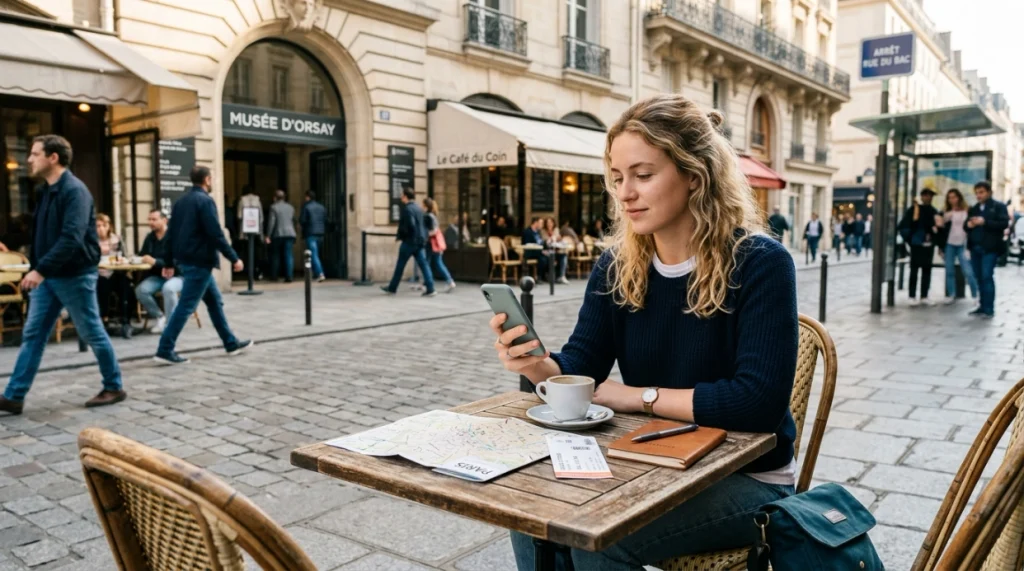
A first solo trip itinerary should create structure without trapping you in a schedule. I recommend one main activity each day, plus optional choices nearby.
This gives you direction when you feel uncertain. It also gives you freedom when you discover something better.
Use a simple Friday-to-Sunday framework
- Friday afternoon or evening: Arrive, check in, learn the immediate neighborhood, buy water or snacks, and eat somewhere easy.
- Saturday morning: Do your most important attraction, tour, museum, hike, class, or neighborhood walk.
- Saturday afternoon: Leave several hours open for lunch, shopping, a café, another attraction, or rest.
- Saturday evening: Choose dinner somewhere convenient and decide in advance how you’ll return to your accommodation.
- Sunday morning: Have breakfast, take a relaxed walk, or visit one smaller attraction.
- Sunday afternoon: Collect your luggage and travel home with comfortable buffer time.
The first evening deserves less ambition than most people give it. Arrival days often involve delays, finding transportation, checking in, charging devices, and adjusting to unfamiliar surroundings.
I would rather finish Friday thinking, “That was easier than expected,” than spend the first night racing across town for a reservation.
Plan anchor activities, not every minute
An anchor activity is the one thing that gives part of your day a purpose. Examples include a food tour at 11 a.m., museum ticket at 1 p.m., walking tour at 10 a.m., or spa reservation at 3 p.m.
One anchor lets everything else remain flexible. That flexibility is particularly useful when you’re discovering your solo travel rhythm.
You may learn that you love lingering in cafés. You may discover that six hours of sightseeing alone feels exhausting.
Plan meals before hunger makes the decision
Eating alone worries many first-time travelers more than transportation does. Make your first dinner easy by identifying two or three restaurants near your accommodation before arriving.
Counter seating, cafés, food halls, casual restaurants, hotel restaurants, and busy neighborhood spots can feel less formal if you’re uncomfortable with a table alone.
Bring a book if you like. You don’t need one, though; looking around and enjoying your meal is completely normal.
Create a bad-weather version
Your weekend should still work if rain ruins your outdoor plan. Save two indoor options such as a museum, market, gallery, bookstore, cooking class, or historic building.
This small backup plan prevents disappointing weather from becoming a full planning crisis.
Section Takeaway: Give each day one clear purpose and plenty of breathing room. Your first solo weekend should feel manageable, not like a challenge to complete as many attractions as possible.
How Should I Book Accommodation and Transportation?
For a short first solo trip, location usually matters more than saving the last few dollars. A cheaper room can become inconvenient if you repeatedly pay for rides or spend an hour commuting.
I would prioritize a straightforward arrival route, recent guest feedback, and easy access to places you plan to visit.
What should a woman look for in accommodation?
- Central location: Stay close to restaurants, public transportation, and daytime activities.
- Recent reviews: Read recent comments about the neighborhood, check-in process, noise, cleanliness, and staff.
- Clear reception details: Know whether reception is staffed and what happens if you arrive late.
- Secure room access: Confirm that rooms use functioning locks and that luggage storage procedures are clear.
- Easy arrival: Avoid making your first solo evening depend on multiple transfers and a long walk with luggage.
A private hotel room isn’t automatically better than a hostel. A good hostel can offer social activities, reception staff, and women-only dorm options, while a hotel may provide more privacy.
Choose based on what will make you comfortable enough to sleep. Rest matters more than fitting someone else’s image of solo travel.
Try to arrive while you still have energy
I prefer arriving before late evening on a first trip when possible. Daylight is useful, but the bigger benefit is having time to solve problems before you’re exhausted.
If an evening arrival is unavoidable, plan the final leg in detail. Save the accommodation address, transport instructions, and backup ride option on your phone.
Book the complicated transportation first
If a train, flight, or intercity bus has limited departures, reserve it before building the rest of the itinerary. Then make your accommodation dates match those confirmed times.
For a flight, leave enough time for airport procedures rather than treating the published flight duration as total travel time.
If you’re flying from or within the United States, review current screening information from the Transportation Security Administration before packing.
Know how you’ll get home before you go out
Before dinner, a performance, or an evening activity, check your return transportation. Find the last train or bus, estimate the walking route, and know which licensed taxi or ride service operates locally.
This is one of my favorite solo-travel habits because it prevents late-night improvisation when you’re tired.
Section Takeaway: Spend your planning energy on arrival, accommodation, and nighttime transportation first. Those three decisions shape how relaxed the rest of your weekend feels.
How Much Should I Budget for a Weekend Solo Trip?
The cost of a solo weekend can vary dramatically, but the budget becomes easier when you separate fixed expenses from daily spending. Accommodation and transportation are usually the first numbers to calculate.
One disadvantage of solo travel is that you cannot automatically split a hotel room or taxi fare. Planning for that upfront prevents the weekend from becoming more expensive than expected.
Build a five-part budget
- Transportation to the destination — train, bus, fuel, flight, baggage, or airport transfers.
- Accommodation — two nights plus taxes or mandatory fees.
- Local transportation — metro tickets, buses, taxis, rideshares, or bike rentals.
- Food and activities — meals, coffee, admission tickets, tours, and entertainment.
- Emergency buffer — money you don’t plan to spend unless something changes.
For planning purposes, I like keeping an emergency reserve separate from the ordinary spending budget. That money might cover a replacement ticket, unexpected taxi, extra night, medication, or another problem.
Example two-night planning budget
| Category | Lower-cost example | Moderate example |
|---|---|---|
| Round-trip transportation | $40–$100 | $120–$300 |
| Two nights accommodation | $80–$180 | $200–$400 |
| Meals and drinks | $60–$100 | $120–$200 |
| Local transportation | $10–$30 | $40–$100 |
| Activities | $20–$60 | $70–$150 |
These are planning examples rather than destination-specific prices. A major event weekend, resort town, or last-minute flight could cost much more.
Don’t make safety compete with your budget
I don’t recommend choosing an inconvenient arrival or isolated accommodation purely because it saves a small amount. Sometimes paying more for a direct train, central room, or straightforward ride is worthwhile.
You can usually save more comfortably elsewhere. Choose one paid attraction, walk when practical, eat one inexpensive meal daily, or travel outside peak event dates.
Section Takeaway: Decide your maximum total before booking, then protect a separate emergency buffer. Cheap and good value are not always the same thing on a short solo trip.
What Should I Pack for My First Weekend Alone?
Pack less than you think you’ll need. For two nights, a carry-on suitcase or manageable backpack is enough for most city weekends.
The goal is to move independently without struggling with luggage. Heavy bags make stairs, transit changes, and early checkouts harder.
A simple two-night solo travel packing list
- Clothing: Two daytime outfits, underwear, sleepwear, one extra layer, and weather-appropriate outerwear.
- Shoes: One comfortable pair you can walk in, plus a second pair only if your plans require them.
- Toiletries: Small versions of your normal essentials rather than a completely new routine.
- Medication: Bring what you need plus a sensible amount for unexpected delays.
- Phone gear: Charger, charging cable, and a portable power bank if you rely heavily on navigation.
- Documents: Identification, tickets, booking details, insurance information when applicable, and any required travel documents.
- Money: Your main payment method plus one backup card or a small emergency cash reserve.
- Comfort items: Earplugs, headphones, refillable bottle, book, or another small item that helps you relax.
Keep critical items with you
Your identification, medication, phone, wallet, keys, and essential travel documents should stay accessible. Don’t bury everything you need for arrival under your clothes.
If flying, check the rules that apply to liquids, batteries, medications, and restricted items before leaving home. Security requirements can change and may differ between countries.
Create a small digital backup folder
Save your booking confirmation, accommodation address, transportation tickets, insurance details, and important contact information where you can access them offline. Screenshots are useful when mobile data fails.
For sensitive documents, use secure storage rather than leaving unprotected copies everywhere on your phone.
Pack for the weather you will actually get
Check the forecast again the day before departure. A tiny umbrella or warmer layer can matter more than an extra outfit.
Comfortable footwear deserves particular attention. A weekend that looks easy on a map can involve hours of walking.
Section Takeaway: Pack so that you can carry everything yourself without stress. Prioritize documents, medication, power, comfortable clothing, and a backup way to pay.
How Can I Stay Safe and Confident While Traveling Alone?
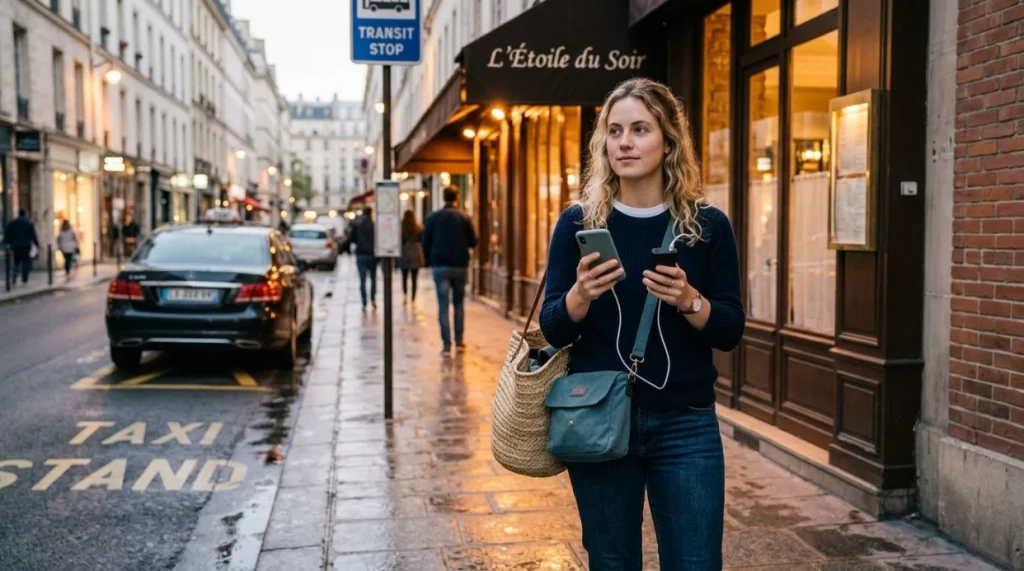
Good solo female travel safety is mostly about reducing avoidable uncertainty. You cannot remove every risk, but you can make it easier to notice problems and change plans early.
I think of safety planning as building options rather than creating fear.
Share useful information with one trusted person
Send someone your accommodation name, basic transportation details, and expected return date. You can also arrange one or two simple check-ins.
A check-in should support your independence rather than turn the weekend into constant reporting. Choose whatever schedule makes both of you comfortable.
Protect your ability to change your mind
Keep enough battery and money to leave a situation without depending on someone else. Know how to return to your accommodation from the places you visit.
If a street, driver, venue, person, or situation feels wrong, changing your plan is enough. You don’t owe anybody a detailed explanation for leaving.
Use official information for unfamiliar destinations
If traveling internationally, check the destination’s current entry, safety, health, and local-law information before departure. U.S. travelers can also review the CDC Travelers’ Health site for destination-specific health guidance.
U.S. citizens traveling abroad can consider the State Department’s Smart Traveler Enrollment Program, which provides embassy or consulate updates for enrolled destinations.
Pro tip: Safety conditions, transportation disruptions, entry rules, and health guidance can change. Verify important details through official government or destination authorities shortly before your trip.
Keep alcohol decisions conservative
If you drink, staying aware of your surroundings matters more when nobody traveling with you is monitoring the situation. Keep control of your drink and your route home.
You don’t need to avoid nightlife entirely. The important part is retaining enough awareness and independence to make decisions.
Expect a little awkwardness
Your first solo dinner may feel strange for ten minutes. Entering an attraction alone can also feel more noticeable to you than it looks to anyone else.
That discomfort often fades once you start doing something. Give yourself a small task: order coffee, walk one block, check into the hotel, or visit the first attraction.
Don’t turn confidence into a performance
You don’t need to feel fearless for the trip to count. Confidence can look like checking the map twice, returning to your room early, or taking a taxi because you’re tired.
The useful question isn’t, “Was I brave enough?” Ask, “Did I make decisions that worked for me?”
Section Takeaway: Safety comes from preparation, awareness, and keeping choices available. Confidence grows through small successful decisions rather than forcing yourself into uncomfortable situations.
Frequently Asked Questions About a First Weekend Solo Trip
Is a weekend long enough for my first solo trip?
Yes. One or two nights can be an excellent introduction to solo travel because you experience the main skills without committing to a long trip. You’ll practice transportation, accommodation, eating alone, navigation, downtime, and decision-making in a manageable period.
Should my first solo trip be close to home?
It can be. Staying within a few hours of home makes it easier to leave if you dislike the experience or an unexpected problem arises. A nearby destination still gives you the independence and decision-making experience that makes solo travel useful.
Is it awkward to eat alone while traveling?
It may feel awkward at first, especially if you rarely dine alone at home. Start with cafés, food halls, casual restaurants, counter seating, or an early dinner, then try a more traditional restaurant when you feel comfortable.
Should I stay in a hotel or hostel on my first solo trip?
Choose the environment that helps you rest. Hotels usually provide more privacy, while hostels may offer social areas, organized activities, and dorm options. Read recent reviews and prioritize location, security, cleanliness, and straightforward check-in over the accommodation label.
How do I stop feeling nervous before traveling alone?
Reduce the number of unknowns. Learn your arrival route, save your accommodation address, reserve one activity, check transportation, pack early, and create a backup plan. Some nervousness can remain even when you’re well prepared, and that doesn’t mean you should cancel.
What if I get lonely during the weekend?
Choose an activity that naturally puts you around other people, such as a walking tour, class, food tour, museum program, or hostel event. You can also call someone at home, sit in a lively café, or simply give yourself an early night.
What if I decide I don’t enjoy solo travel?
Then you’ve still learned something useful about yourself. You might prefer traveling with friends, taking organized group trips, spending only one day alone, or combining independent time with guided activities. Solo travel isn’t a test you have to pass.
Your first weekend doesn’t need to be impressive. It needs to be manageable enough that you can learn what kind of solo traveler you are.
Choose one destination, reserve the essential pieces, prepare a simple safety plan, and let the rest of the weekend breathe. Once you’ve completed one easy trip, planning the next one usually feels much less mysterious.