How Much Money Should a Woman Save for Her First Solo Trip?
Quick Answer
For a first solo trip, I recommend saving the full expected trip cost, then adding a 15%–25% buffer plus a separate emergency reserve. For a seven-day trip, that can mean roughly $1,500–$3,500 for many modest-to-midrange itineraries, although airfare and destination can move the number much higher. Before setting your final target, check destination-specific daily costs using a resource such as Budget Your Trip.
A simple first-trip savings formula
- Fixed costs: Save for flights, trains, accommodation, visas, and insurance first.
- Daily spending: Add realistic amounts for meals, transport, attractions, and small purchases.
- Safety buffer: Add about 15%–25% for price changes and unexpected expenses.
- Emergency money: Keep roughly $300–$800 separate for a short trip, adjusting upward for expensive or remote destinations.
- Don’t rely on debt: Your normal trip should be affordable without using the emergency reserve or carrying a credit-card balance.
Before you book
- Price your actual destination instead of treating one generic solo-travel number as universal.
Your first solo trip does not need an enormous bank balance. It does need a realistic plan that leaves enough room for comfort, safety, and the occasional change of plans.
As of 2026, I prefer building a solo travel budget around the trip I want rather than chasing a magic savings number. This guide shows you exactly how I would calculate that target.
In This Guide
- How much should you save for your first solo trip?
- What costs should you include in a solo trip budget?
- How much emergency money should a solo woman keep?
- What do sample first solo trip budgets look like?
- How can you spend less without cutting safety?
- How long should you save before booking?
- Frequently asked questions
How Much Should You Save for Your First Solo Trip?
A good savings target is 100% of your planned trip cost, plus a 15%–25% cushion and separate emergency money. That formula works better than choosing an arbitrary dollar amount.
A $2,000 trip to a nearby city and a $2,000 trip halfway around the world carry different risks. Your destination, airfare, trip length, and travel style all matter.
Definition: A solo trip savings target is the total amount you need to pay for planned travel expenses, a realistic contingency buffer, and emergency costs without depending on money required for your normal bills.
Start with the trip, not the savings number
Before asking, “Can I save $2,000?” I would ask, “What kind of trip can $2,000 comfortably cover?” That small change makes budgeting much easier.
Write down four basics first:
- Destination: Where are you going?
- Length: How many nights will you stay?
- Style: Hostel, basic hotel, boutique hotel, or something else?
- Transportation: Are you flying internationally, taking a train, driving, or using a short regional flight?
Once those answers are clear, search real prices for your dates. Airfare and accommodation often shape the entire budget.
Use the 100 + 20 + emergency method
I like a simple three-part approach because it prevents the travel fund from looking healthier than it is.
- 100% planned costs: Cover every expense you reasonably expect.
- About 20% extra: Leave room for price changes, extra transport, meals, and small mistakes.
- Emergency reserve: Keep money that you do not intend to spend at all.
For example, imagine your researched trip costs $1,600 before emergencies. Adding a 20% cushion brings your usable trip budget to $1,920.
If you then reserve another $400 for emergencies, your real savings goal becomes $2,320. That is much safer than leaving with exactly $1,600.
What Costs Should You Include in a Solo Trip Budget?
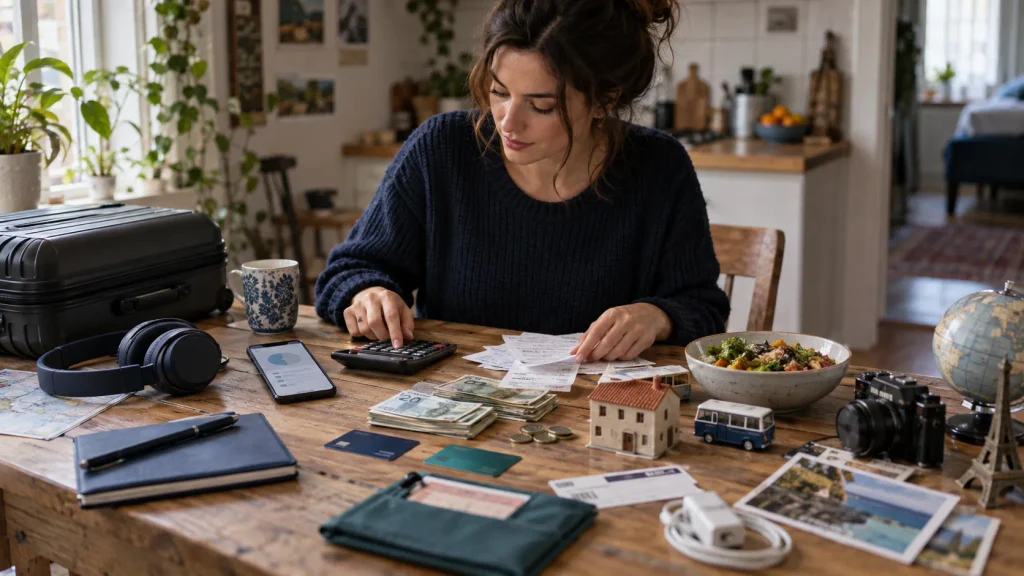
Your budget should include more than airfare and a hotel. Small daily expenses are usually where an optimistic plan starts drifting off course.
I separate costs into fixed expenses, daily expenses, safety expenses, and optional spending.
Fixed expenses before departure
These are usually the easiest numbers to research because you can see the price before booking.
- Round-trip airfare, train, bus, or fuel
- Accommodation
- Passport or visa expenses when applicable
- Travel insurance
- Airport transfers
- Prebooked tours or attraction tickets
- Required baggage fees
- SIM, eSIM, or other connectivity costs
Don’t forget the trip to and from your home airport. A 5 a.m. departure can turn a cheap public-transit plan into a much more expensive taxi ride.
Daily costs at your destination
Next, estimate what you are likely to spend each day. Use current destination prices rather than a universal travel allowance.
- Food: Breakfast, lunch, dinner, snacks, coffee, and water
- Local transport: Metro, buses, taxis, rideshares, ferries, or rental costs
- Activities: Museums, tours, entry tickets, and entertainment
- Personal spending: Laundry, toiletries, souvenirs, tips, and small purchases
Solo travelers can also face costs that couples split. A private room, taxi, or rental vehicle may cost almost the same for one person as two.
Lonely Planet notes that solo travelers can also encounter a single supplement on some tours and accommodation products. Check the final per-person price before assuming a package is inexpensive.
Add a line for travel insurance
Insurance deserves its own budget category rather than being squeezed in at the end. Coverage varies, so read the exclusions and benefit limits carefully.
The CDC’s travel insurance guidance explains the differences between trip cancellation, travel health, and medical evacuation coverage.
The CDC also notes that emergency medical evacuation from some locations can otherwise cost more than $100,000. That is one reason I would not treat insurance as simply another optional souvenir-sized expense.
Pro tip: Check official government and health guidance for your destination before finalizing your budget, especially for medical care, insurance, entry rules, and emergencies.
How Much Emergency Money Should a Solo Woman Keep?
For a short first trip, I would usually reserve about $300–$800 beyond the normal spending budget. For an expensive, remote, or long-haul trip, I would increase it.
This is a planning range rather than a universal rule. Your emergency reserve should reflect the realistic cost of getting yourself somewhere safe.
What should emergency money cover?
I think of the reserve as “get-me-out-of-a-problem money.” It should not be part of the restaurant, shopping, or sightseeing budget.
- One or two unexpected hotel nights
- A last-minute taxi or reputable ride service
- A replacement train or domestic flight
- Basic medical expenses or an insurance deductible
- A lost-phone or connectivity problem
- Replacing essential toiletries or clothing after delayed baggage
- Unexpected changes to your itinerary
Your reserve does not necessarily need to sit in cash. In fact, carrying the entire amount in one wallet creates another risk.
Separate your backup payment methods
I prefer having at least two ways to access money. Keep them in separate secure places when possible.
- Primary payment card
- Backup card stored separately
- A modest amount of local cash
- Emergency account access
Don’t count your entire credit limit as an emergency fund. A card can provide access during a genuine problem, but you still need a realistic way to repay what you use.
The U.S. State Department’s guidance for women travelers recommends researching transport, using reputable providers, planning for unsafe situations, and keeping trusted people informed of your plans.
Those choices can sometimes cost more than the absolute cheapest alternative. I intentionally budget for them.
Section Takeaway: Emergency money is not extra vacation spending. Keep enough accessible to change accommodation, arrange safer transport, handle a delay, or respond to an unexpected problem without panicking over the cost.
What Do Sample First Solo Trip Budgets Look Like?
There is no reliable worldwide “average first solo trip.” The examples below are planning models, not claims about what every traveler will pay.
They show how the same budgeting framework changes as transportation and accommodation become more expensive.
| Expense | Lower-Cost 7-Day Trip | Midrange 7-Day International Trip | Higher-Cost Long-Haul Trip |
|---|---|---|---|
| Transport to destination | $250 | $700 | $1,200 |
| 6 nights accommodation | $390 | $660 | $1,020 |
| Food | $245 | $350 | $560 |
| Local transport | $100 | $180 | $280 |
| Activities | $120 | $220 | $350 |
| Insurance/other prep | $60 | $90 | $130 |
| Planned cost | $1,165 | $2,200 | $3,540 |
| 20% cushion | $233 | $440 | $708 |
| Separate emergency reserve | $400 | $600 | $800 |
| Suggested modeled savings goal | About $1,800 | About $3,250 | About $5,050 |
Don’t copy these numbers directly into your own spreadsheet. Replace every row with prices from your destination and travel dates.
A four-night regional trip could cost far less. A week in an expensive capital during peak season could exceed the higher example.
Why destination matters so much
Current travel-cost databases show enormous differences between countries. The price of accommodation, food, transportation, and activities can change your required savings by thousands of dollars.
Trip length matters too. Seven days of food and accommodation obviously cost less than three weeks, even when your airfare stays unchanged.
Section Takeaway: Use sample budgets to understand the structure, not to choose your final number. Your actual flight, room, daily expenses, buffer, and emergency reserve should determine your savings goal.
How Can You Spend Less Without Cutting Safety?
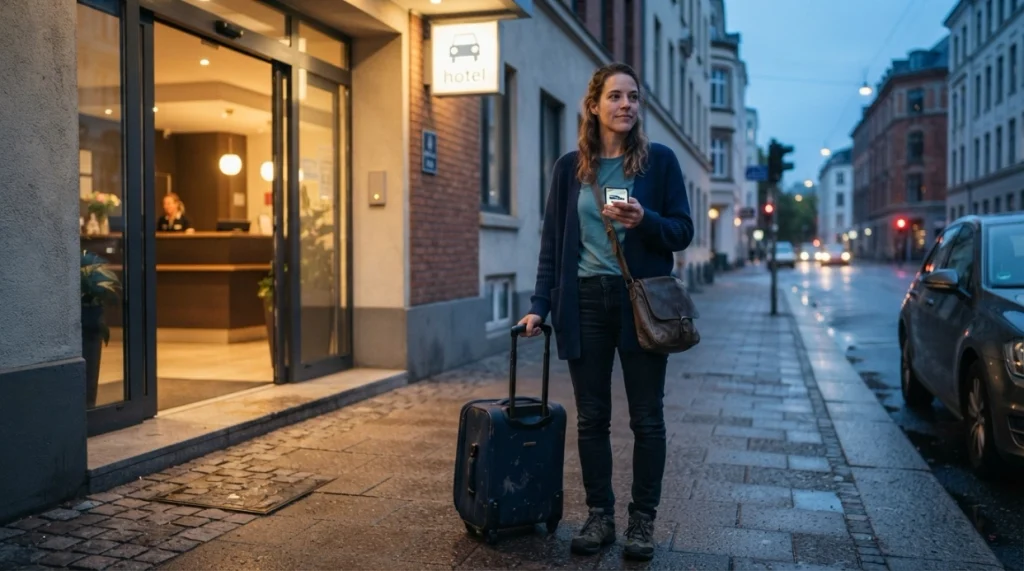
The best budget cuts reduce convenience or luxury before they reduce safety. I would rather shorten a trip than create a seven-day itinerary that only works if nothing goes wrong.
There are plenty of places to save first.
Cut flexible expenses before safety expenses
- Travel off-peak: Compare shoulder-season dates where weather and local conditions still suit your trip.
- Stay longer in fewer places: Moving cities every day increases transport costs.
- Choose simple accommodation: You don’t need luxury, but location and credible reviews still matter.
- Use public transportation: Use it where reputable sources indicate it is appropriate for the route and time.
- Mix free and paid activities: Parks, neighborhoods, beaches, markets, and walking routes can balance expensive attractions.
- Eat strategically: A casual breakfast or lunch can leave room for one memorable restaurant meal.
- Pack thoughtfully: Avoid buying chargers, medicine, toiletries, or weather gear at tourist prices.
Expenses I would be cautious about cutting
A cheaper option is not automatically a better option when you’re traveling alone. That is especially true when the saving is small.
- A well-located accommodation versus an isolated bargain
- Reliable airport transportation after a late arrival
- Mobile data or dependable phone access
- Appropriate travel and medical coverage
- Secure luggage storage
- A reputable late-night ride instead of a poorly researched alternative
The U.S. State Department’s international travel checklist recommends reviewing destination conditions, organizing documents, considering personal travel needs, and assessing travel insurance before departure.
If you’re not a U.S. citizen, use the equivalent travel advisory and consular resources from your own government as well.
Pro tip: Safety conditions change. Recheck official advisories shortly before departure rather than relying only on advice you read months earlier.
How Long Should You Save Before Booking?
Work backward from the trip cost. Divide your remaining savings target by the number of months before departure.
This turns a vague dream into a monthly number.
Example: saving $2,400
- 3 months: $800 per month
- 6 months: $400 per month
- 8 months: $300 per month
- 12 months: $200 per month
If the monthly number feels unrealistic, change the trip rather than pretending the math will work later. You can shorten the itinerary, travel closer to home, adjust the accommodation level, or move the departure date.
Use a dedicated travel fund
I like keeping travel savings separate from everyday spending. A dedicated account or savings bucket makes the true balance easier to see.
Automating the transfer after payday can also reduce the temptation to spend whatever remains in your checking account.
When are you financially ready to book?
I would feel more comfortable booking once the major non-refundable costs are covered and there is a clear plan for the remainder. I would not use money reserved for rent, debt payments, food, or essential bills.
Also consider what happens after you return home. Coming back from a wonderful trip to an empty everyday bank account can turn that post-travel glow into stress quickly.
A first solo trip can be three nights instead of three weeks. Starting smaller is often an excellent way to learn what you value before spending thousands on a major international itinerary.
Frequently Asked Questions
Is $1,000 enough for a first solo trip?
It can be. A short regional trip with inexpensive transport and accommodation may fit comfortably under $1,000, while international airfare alone can exceed that amount. Price your destination, add daily costs, include a buffer, and keep emergency money separate before deciding.
Is $2,000 enough for a week of solo travel?
$2,000 can fund some seven-day trips, but it is not a universal benchmark. A nearby affordable destination may fit easily, while a long-haul flight and private hotel room could consume most of the budget before food and activities.
How much cash should a woman carry while traveling alone?
Carry enough cash for immediate needs and situations where cards may not work, rather than carrying your entire travel fund. Keep backup money and payment methods separately. Research how widely cards and digital payments are accepted at your destination before departure.
Should my solo travel emergency fund be separate?
Yes. Treat emergency money as unavailable during normal sightseeing, shopping, and dining. Keeping it separate makes it less likely that you will spend it casually and discover you have no financial cushion when plans unexpectedly change.
Do I need travel insurance for my first solo trip?
It depends on your destination, existing coverage, trip cost, and risk exposure. For international travel, check whether your normal health insurance works abroad and whether you need medical evacuation, trip interruption, or cancellation protection.
Should I save more for an international solo trip?
Often, yes. International trips can add airfare, visas, insurance, airport transportation, currency costs, and higher emergency-return expenses. However, a nearby international destination can still cost less than an expensive domestic trip, so calculate your actual itinerary.
What if I cannot afford a big first solo trip?
Start smaller. A nearby weekend trip can teach you how you handle restaurants alone, transportation, accommodation, navigation, budgeting, and downtime. Those lessons can make planning a more expensive international trip easier later.
Your first solo trip should stretch your confidence, not wreck your finances. Build the real trip cost first, add a 15%–25% buffer, protect a separate emergency reserve, and choose an itinerary that still feels affordable when you come home.
If the number looks too high, reduce the trip rather than removing your safety margin. A shorter, financially comfortable solo adventure is a much stronger first step than an ambitious itinerary built on an impossibly tight budget.