What Hiking Shoes to Buy for Comfort Durability and Style
Choosing the right hiking shoes is key to enjoying your outdoor adventures. This guide covers everything you need to know about what hiking shoes to buy for comfort, durability, and style. From understanding different materials to picking the right fit, you’ll learn how to select shoes that keep your feet happy on every trail.
Key Takeaways
- Know your terrain: Different trails require different shoe types for the best performance.
- Prioritize comfort: Proper fit and cushioning prevent blisters and foot fatigue.
- Look for durability: Quality materials and construction ensure your shoes last many hikes.
- Consider style: Hiking shoes come in various designs that combine function with fashion.
- Test the fit: Always try shoes on with hiking socks and walk around to check comfort.
- Waterproof vs. breathable: Choose based on the weather and conditions you expect to face.
- Maintenance matters: Caring for your shoes extends their life and keeps them performing well.
Introduction
Are you ready to hit the trails but unsure what hiking shoes to buy? Finding the perfect hiking shoes can be tricky. You want shoes that feel great on your feet, hold up against rough terrain, and look good enough to wear off-trail. This guide will walk you through everything you need to know to choose hiking shoes that offer comfort, durability, and style. By the end, you’ll be confident picking shoes that fit your needs and make every hike enjoyable.
Step 1: Understand the Types of Hiking Shoes
Hiking footwear comes in several types, each suited for different activities and terrain.
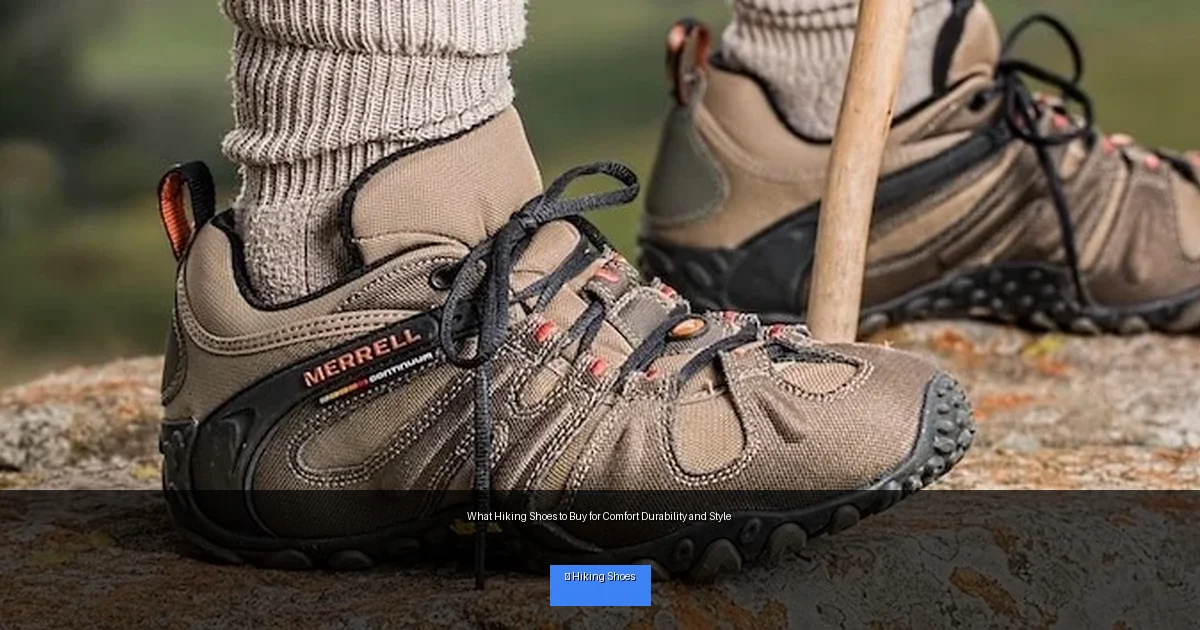
Visual guide about What Hiking Shoes to Buy for Comfort Durability and Style
Image source: bestwalkingshoes4men.com
Trail Running Shoes
These are lightweight and flexible, great for well-maintained trails. They provide good grip but less ankle support. Ideal if you prefer speed and minimal weight.
Hiking Shoes
Sturdier than trail runners, with better support and protection. Good for day hikes or light backpacking. They balance comfort and durability.
Hiking Boots
High-cut boots offer maximum ankle support and protection. Perfect for rugged terrain or carrying heavy packs. Usually heavier but very durable.
Backpacking Boots
Designed for multi-day trips with heavy loads. They provide excellent support and durability but can be less breathable and heavier.
Step 2: Consider Your Hiking Terrain and Conditions
Knowing where you’ll hike helps you pick the right shoe features.
Rocky and Rugged Terrain
Look for shoes with stiff soles, strong toe caps, and good ankle support. Boots with aggressive tread patterns work best.
Muddy or Wet Trails
Waterproof shoes with breathable membranes keep your feet dry. Consider shoes made with Gore-Tex or similar materials.
Hot and Dry Trails
Choose lightweight, breathable shoes that allow airflow to avoid overheating and sweating.
Long Distance Hikes
Comfort and support are key. Shoes with good cushioning and shock absorption help prevent fatigue.
Step 3: Focus on Comfort and Fit
Comfort is the most important factor when choosing hiking shoes.
Measure Your Feet Correctly
Get your feet measured later in the day when they are largest. Use this measurement to find your size.
Try Shoes with Hiking Socks
Wear the socks you plan to hike in when trying shoes. This ensures a realistic fit.
Check the Toe Box
There should be enough room to wiggle your toes but not too loose to cause sliding.
Walk Around and Test
Walk on different surfaces to test grip and comfort. Heel should not slip, and no pinching should occur.
Break Them In
Wear your hiking shoes on short walks before long hikes to prevent blisters.
Step 4: Evaluate Durability and Materials
Durability means your shoes will last through many hikes without falling apart.
Leather vs. Synthetic
- Leather: Offers great durability and water resistance but can be heavier and less breathable.
- Synthetic: Lighter and more breathable but may wear out faster.
Sole Material
Look for Vibram or similar quality soles with deep lugs for traction and durability.
Stitching and Construction
Check for reinforced stitching and strong glue. Double stitching is a good sign of quality.
Step 5: Style and Aesthetics
Hiking shoes now come in many styles and colors, letting you look good on and off the trail.
Choose Colors You Like
From earth tones to bright colors, pick what fits your personality.
Consider Versatility
If you want shoes for casual wear too, pick a stylish pair that matches your wardrobe.
Step 6: Waterproofing and Breathability
Balance waterproofing and breathability based on your needs.
Waterproof Shoes
Great for wet conditions but may reduce breathability, causing sweaty feet in warm weather.
Breathable Shoes
Keep feet cool but may not protect well in rain or streams.
Step 7: Budget and Brand Considerations
Set a budget and research brands known for quality hiking shoes.
Popular Brands
- Merrell
- Salomon
- KEEN
- Columbia
- La Sportiva
Price vs. Quality
Investing in good shoes pays off with comfort and durability. Avoid very cheap options that may wear out quickly.
Troubleshooting Common Issues
If you experience discomfort, try the following:
- Blisters: Check shoe fit, try different socks, or use blister prevention tape.
- Heel Slippage: Use lacing techniques like heel lock to secure the foot.
- Foot Fatigue: Consider shoes with better cushioning or insoles.
- Wet Feet: Switch to waterproof shoes or use gaiters.
Conclusion
Choosing what hiking shoes to buy doesn’t have to be overwhelming. By understanding your hiking needs, trying on different options, and focusing on comfort, durability, and style, you can find the perfect pair. Remember to consider terrain, weather, and fit to keep your feet happy on every adventure. Happy hiking!