Walking Shoes for Beginners Guide Tips to Choose Your Perfect Pair
Walking Shoes for Beginners Guide Tips to Choose Your Perfect Pair offers easy-to-follow advice to help you find the best walking shoes. From understanding shoe features to fitting tips, this guide ensures you pick comfortable, supportive shoes that make every walk enjoyable.
Key Takeaways
- Understand Your Walking Style: Knowing your gait and foot type helps select shoes that provide the right support.
- Focus on Comfort and Fit: Proper sizing and cushioning reduce injury risk and improve walking experience.
- Choose the Right Shoe Features: Look for breathability, flexibility, and good traction for effective walking shoes.
- Try Shoes Later in the Day: Feet swell during the day, so shopping later ensures better fit.
- Break in Your Shoes Gradually: Start with short walks to avoid soreness and blisters.
- Replace Shoes Regularly: Worn-out shoes lose support and increase injury risk.
- Consider Your Walking Environment: Different terrains require different shoe types for best performance.
Walking Shoes for Beginners Guide Tips to Choose Your Perfect Pair
Starting a walking routine is a wonderful way to boost your health. But picking the right walking shoes is just as important as your commitment to exercise. This guide will teach you everything about choosing the perfect walking shoes for beginners. You’ll learn how to find the best fit, understand shoe features, and get practical tips for buying your ideal pair. Let’s make every step comfortable and enjoyable!
Step 1: Understand Your Feet and Walking Style
Know Your Foot Type
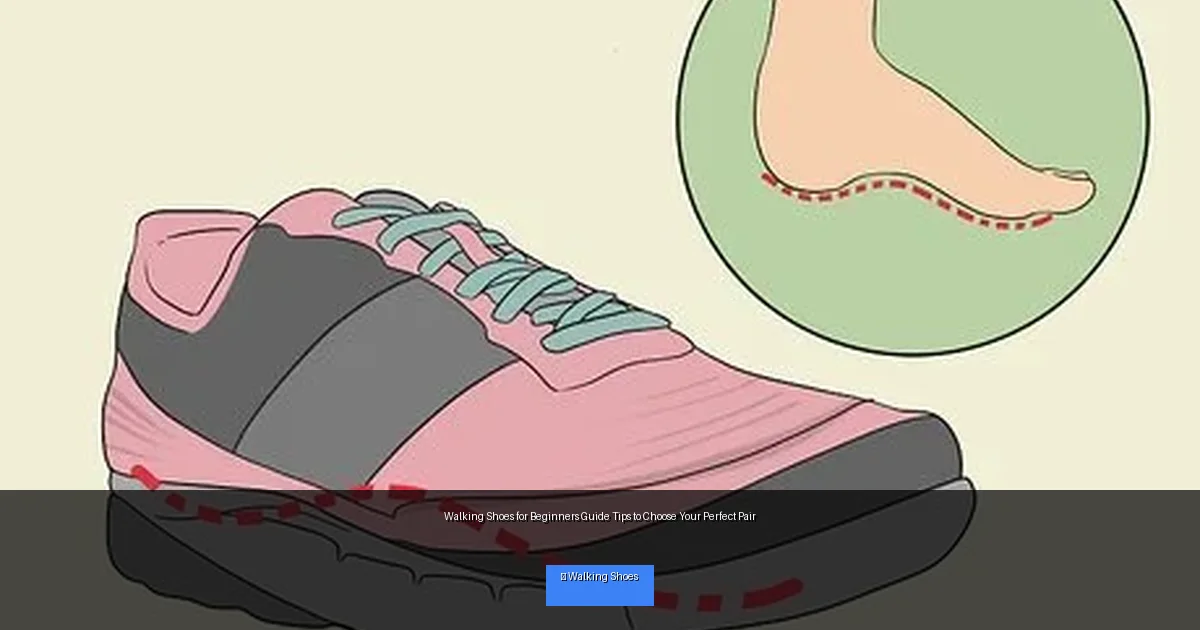
Before buying walking shoes, it’s important to understand your foot shape. Feet generally fall into three categories:
Visual guide about Walking Shoes for Beginners Guide Tips to Choose Your Perfect Pair
Image source: wikihow.com
- Flat Feet: Low or no arch; tend to overpronate (roll inward).
- Normal Arch: Moderate arch; balanced foot strike.
- High Arch: Very pronounced arch; tend to underpronate (roll outward).
You can check your foot type by doing a simple wet test on paper or consulting a podiatrist.
Identify Your Walking Gait
Your walking gait affects the type of shoe you need. Overpronators benefit from stability shoes, while underpronators need cushioned shoes to absorb shock. Neutral walkers have more flexibility in shoe choice.
Step 2: Determine Your Shoe Size and Fit
Measure Your Feet Correctly
Feet can change size over time, so always measure both feet. Measure in the afternoon or evening when your feet are largest. Use a Brannock device or visit a shoe store for accurate sizing.
Try Shoes with Socks
Wear the socks you plan to walk in when trying shoes. This ensures the fit is accurate and comfortable during actual use.
Check for Proper Length and Width
There should be about a thumb’s width of space between your longest toe and the end of the shoe. The shoe should feel snug but not tight across the widest part of your foot.
Walk Around to Test Comfort
Don’t just stand—walk around the store or your home to feel how the shoe supports your feet and moves with you.
Step 3: Look for Essential Walking Shoe Features
Cushioning and Support
Good walking shoes provide cushioning to absorb impact and support to keep your feet stable. Look for midsoles made of EVA foam or gel for shock absorption.
Breathability
Shoes made with mesh or breathable fabrics help keep feet cool and dry, reducing discomfort and odor.
Flexibility
Walking shoes should bend easily at the ball of the foot, allowing natural movement without stiffness.
Traction
Look for soles with good grip to prevent slips, especially if you walk on varied terrains like trails or wet surfaces.
Weight
Lighter shoes reduce fatigue and make walking easier, especially for beginners who may take longer walks.
Step 4: Choose Shoes Based on Your Walking Environment
Road Walking
For sidewalks and paved paths, choose lightweight shoes with cushioned soles and good shock absorption.
Trail Walking
Trails require shoes with rugged soles for grip, extra stability, and protection from rocks and roots.
Indoor Walking
Indoor walkers benefit from shoes with flexible soles and moderate cushioning that provide comfort on hard floors.
Step 5: Try on Different Brands and Models
Don’t Stick to One Brand
Each brand fits differently. Try multiple brands and models to find what feels best for your feet.
Read Reviews and Ask Experts
Look up reviews online and ask store staff for recommendations based on your foot type and walking routine.
Step 6: Break in Your Walking Shoes
Start Slow
Wear your new shoes for short walks initially. Increase duration gradually over 1-2 weeks.
Watch for Discomfort
If you feel pain or blisters, reassess the fit. Sometimes adjusting socks or lacing can help.
Step 7: Maintain and Replace Your Shoes
Regularly Inspect Your Shoes
Check soles for wear and cushioning loss. Uneven wear can indicate gait issues.
Replace Shoes Every 300-500 Miles
Walking shoes lose support and cushioning over time. Replace them to avoid injury and maintain comfort.
Troubleshooting Common Issues
Blisters and Hot Spots
Try different socks, use anti-friction balms, or adjust lacing. If persistent, consider a different shoe style.
Foot Pain or Discomfort
Ensure proper fit and support. If pain continues, consult a foot specialist.
Shoes Feeling Too Tight or Loose
Try different sizes or widths. Some shoes come in wide or narrow options to accommodate different feet.
Conclusion
Choosing the right walking shoes is key to enjoying your walks and preventing injuries. By understanding your foot type, focusing on fit and comfort, and selecting shoes suited to your walking style and environment, you can find the perfect pair. Remember to break in your shoes gradually and replace them when worn out. With the right footwear, every step will feel lighter and more enjoyable. Happy walking!