How Much Should a Carry On Backpack Weigh for Easy Travel
Wondering how much your carry on backpack should weigh? This guide breaks down the ideal weight for hassle-free travel, ensuring comfort and meeting airline rules. You’ll get practical tips on packing smart and choosing the right backpack weight for your next trip.
Key Takeaways
- Ideal Weight Range: A carry on backpack should generally weigh between 7 to 15 pounds for easy handling and airport compliance.
- Airline Restrictions Matter: Weight limits vary, so always check your airline’s carry on policies before packing.
- Balance Weight and Essentials: Pack only what you need to avoid unnecessary weight and strain during travel.
- Choose Lightweight Backpacks: Selecting a backpack made from lightweight materials reduces overall weight.
- Comfort is Key: Proper padding and adjustable straps help carry your pack comfortably, even when fully loaded.
- Regularly Weigh Your Backpack: Use a luggage scale to avoid surprises at the airport.
- Pack Smart: Use packing cubes and prioritize multi-use items to stay within weight limits.
How Much Should a Carry On Backpack Weigh for Easy Travel
Traveling light and comfortably is every frequent traveler’s dream. But one question often comes up: how much should a carry on backpack weigh? Knowing the right weight helps you avoid airline fees, stay comfortable, and move with ease through airports and public transport. In this guide, you’ll learn the ideal weight range for a carry on backpack, how to pack smart, and practical tips to keep your backpack manageable.
Step 1: Understand Airline Weight Restrictions
Airlines often have strict rules about how much your carry on can weigh. While size limits are common, weight limits vary significantly by airline and ticket class.
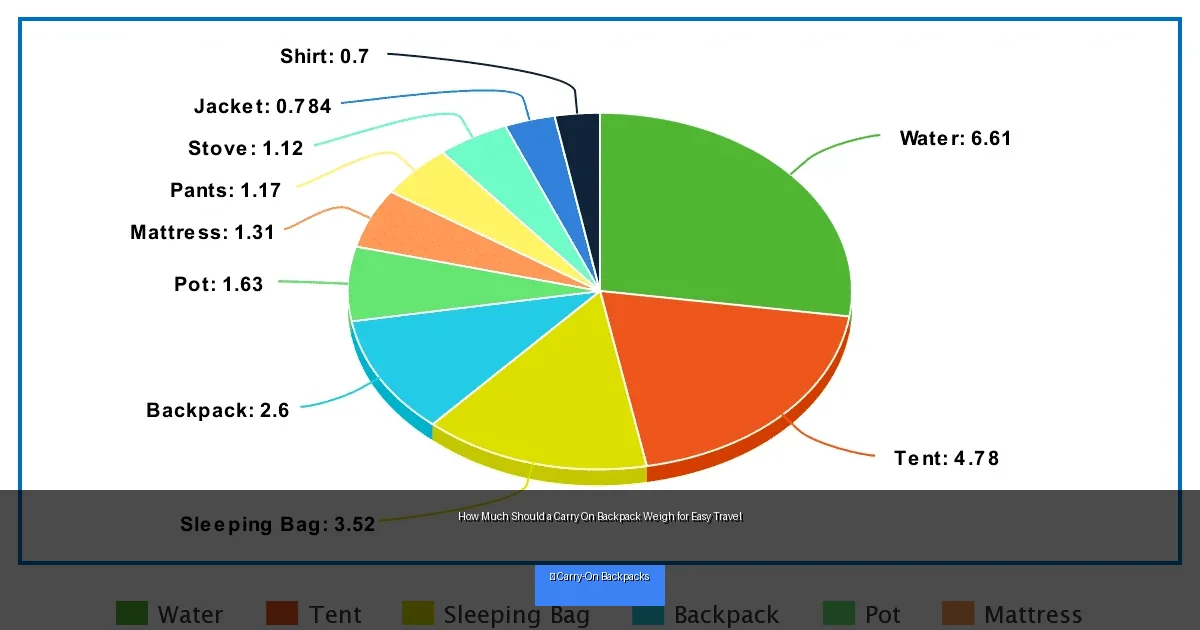
Visual guide about How Much Should a Carry On Backpack Weigh for Easy Travel
Image source: tryoutnature.com
Check Your Airline’s Policy
- Visit the airline’s official website before packing.
- Look for “carry on baggage weight limits” or “hand luggage restrictions.”
- Note the maximum allowed weight, which can range from 15 to 22 pounds (7 to 10 kg) for most airlines.
Consider Budget Airlines
Budget carriers may have stricter weight limits, sometimes as low as 7 to 10 pounds (3 to 4.5 kg). If flying budget, aim for a lighter backpack.
Step 2: Choose a Lightweight Backpack
The backpack’s own weight contributes to your total carry on weight. Choosing a lightweight backpack can save pounds right from the start.
Look for Lightweight Materials
- Nylon and polyester are common lightweight yet durable materials.
- Avoid backpacks with heavy frames or excessive padding if you want to keep weight down.
- Consider minimalist designs made for travel.
Test Backpack Weight Alone
Before packing, weigh your empty backpack using a luggage scale. Aim for backpacks weighing under 3 pounds (1.4 kg) if possible.
Step 3: Pack Only Essential Items
Every extra item adds weight. To keep your backpack light, pack smart and prioritize essentials.
Create a Packing List
- List only what you truly need for your trip.
- Include versatile clothing items that can mix and match.
- Remember travel-size toiletries and electronics.
Use Packing Cubes and Compression Bags
These tools help organize and compress your belongings, allowing you to pack efficiently without excess bulk or weight.
Limit Electronics and Accessories
Electronics can add weight. Bring only necessary devices and chargers. Consider multi-use gadgets where possible.
Step 4: Balance Weight for Comfort
Even if your backpack meets airline limits, carrying an unbalanced or overly heavy pack can cause discomfort or injury.
Distribute Weight Evenly
- Place heavier items close to your back to improve balance.
- Use all compartments to spread weight evenly.
Adjust Straps for Proper Fit
Use padded shoulder straps and hip belts to transfer weight from shoulders to hips. Adjust straps so the backpack fits snugly but comfortably.
Test Carrying Your Packed Backpack
Try walking or standing with your fully packed backpack to ensure you feel comfortable and balanced.
Step 5: Weigh Your Packed Backpack Regularly
Use a digital luggage scale at home to weigh your backpack before leaving. This prevents surprises at airport check-ins.
Adjust as Needed
If your backpack is over your airline’s limit or feels too heavy, remove non-essentials or swap items for lighter versions.
Step 6: Tips for Managing Weight During Travel
Wear Your Heaviest Clothing
To save space and weight, wear heavier shoes and jackets while traveling instead of packing them.
Use Airport Facilities
Some airports have luggage scales near check-in counters to double-check your backpack’s weight before boarding.
Consider Shipping Extra Items
If you have heavier gear or souvenirs, shipping them separately can help keep your carry on light.
Troubleshooting Common Issues
My Backpack Feels Too Heavy Even Though It Meets Airline Limits. What Can I Do?
Comfort depends on weight distribution and backpack fit. Try adjusting straps, redistribute items inside, or remove less important gear. Sometimes, choosing a backpack with better padding or support helps.
I’m Overweight at the Airport. How Do I Fix This Quickly?
Look for a scale nearby and remove bulky items like jackets or souvenirs. Transfer heavier items to personal bags or wear heavier clothing to reduce backpack weight.
My Backpack Is Lightweight But Still Uncomfortable. Why?
Poor strap adjustment or lack of padding can cause discomfort. Adjust straps, use a hip belt if available, and ensure the backpack fits your body size.
Conclusion
Knowing how much your carry on backpack should weigh is key to stress-free travel. Most travelers find that keeping their backpack between 7 and 15 pounds strikes a perfect balance between having everything they need and staying comfortable. Always check airline restrictions, pack smart, choose a lightweight backpack, and adjust straps for comfort. With these tips, your carry on backpack will be your best travel companion, letting you breeze through airports and enjoy your journey with ease.
🎥 Related Video: How much does your backpack weigh? 👀 #backpacking #backpackinggear #campinglife #hikingadventures
📺 The Adventure Addicts | Zoe & Kelby