How Much Should a Carry On Backpack Weigh for Easy Travel
Knowing how much a carry on backpack should weigh is key to smooth and hassle-free travel. This guide explains ideal weight limits, packing strategies, and tips to keep your backpack light and manageable for any trip.
Key Takeaways
- Ideal Weight Range: Most airlines recommend carry on bags weigh between 7 to 15 pounds for easy handling.
- Airline Restrictions: Weight limits vary by airline; always check before packing to avoid extra fees.
- Packing Smart: Prioritize lightweight essentials and use compression bags to save space and weight.
- Comfort Matters: A lighter backpack reduces strain and improves travel comfort.
- Weigh Your Bag: Use a luggage scale to keep your carry on within limits.
- Adjust for Trip Length: Longer trips may require heavier packs, but aim to stay as light as possible.
- Backup Plan: Know how to redistribute weight or remove items if your bag is too heavy at the airport.
How Much Should a Carry On Backpack Weigh for Easy Travel
Traveling light is a game changer. One of the biggest questions travelers ask is how much should a carry on backpack weigh? Getting this right means no extra fees, less hassle, and a more comfortable journey. In this guide, you’ll learn the ideal weight range for a carry on backpack, how to pack efficiently, and tips to avoid overpacking. Whether you’re a weekend warrior or a frequent flyer, these insights will help you travel smart.
Understanding Airline Weight Limits
Before you start packing, it’s vital to know airline rules. Each airline has its own carry on size and weight limits. Most allow a carry on bag that weighs between 7 and 15 pounds (3 to 7 kilograms). Some low-cost airlines are stricter, with limits closer to 7 pounds, while bigger carriers may permit up to 22 pounds (10 kg).
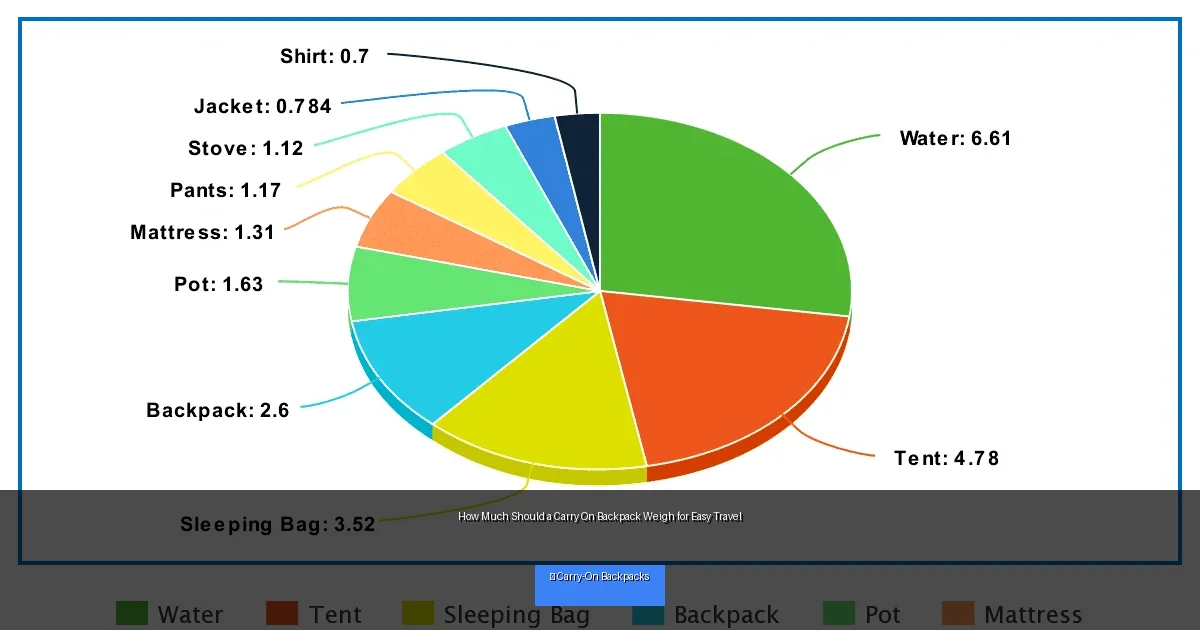
Visual guide about How Much Should a Carry On Backpack Weigh for Easy Travel
Image source: tryoutnature.com
Check Airline Policies
- Visit the airline’s website and look for carry on baggage restrictions.
- Note both size and weight limits to avoid surprises at the gate.
- Remember, some airlines also count personal items like a laptop bag in your carry on allowance.
Why Weight Matters
Heavier bags are harder to lift into overhead bins and can cause strain on your back. Airlines enforce weight limits to keep travel safe and efficient. Staying within limits means less stress and no unexpected fees.
Setting Your Ideal Carry On Backpack Weight
While airline limits set a maximum, your ideal carry on backpack weight should be lighter. Aim for 7 to 12 pounds for most trips. This range balances packing enough gear and staying comfortable.
Consider Your Strength and Travel Style
- If you prefer mobility and short trips, lean toward the lighter end (around 7-9 pounds).
- For longer trips, you might pack more, but try not to exceed 15 pounds.
- Think about your physical strength and how long you’ll carry the backpack daily.
Test Your Backpack Weight Before Travel
- Use a luggage scale to weigh your bag after packing.
- Adjust contents if the bag feels too heavy or close to airline limits.
- Practice carrying it around the house to check comfort.
Packing Tips to Keep Your Backpack Light
Packing smart is the key to staying within your ideal weight range. Here are some practical tips:
Choose Lightweight Gear
- Opt for lightweight fabrics and compact items.
- Use travel-sized toiletries and multipurpose products.
- Wear your heaviest clothes on the plane to save space and weight.
Use Packing Cubes and Compression Bags
- Packing cubes help organize and compress clothes.
- Compression bags reduce bulk and can make your backpack easier to carry.
Limit Electronics and Books
- Bring only essential gadgets.
- Use e-books instead of physical books to save weight.
Minimize Shoes and Accessories
- Shoes are heavy; limit yourself to 1-2 pairs maximum.
- Choose versatile accessories that match multiple outfits.
Step-by-Step Guide to Weighing and Packing Your Carry On Backpack
Step 1: Review Your Travel Needs
Think about the length and purpose of your trip. Pack only what you truly need.
Step 2: Select Your Backpack
Choose a carry on backpack that meets airline size requirements and has comfortable straps.
Step 3: Lay Out All Items
Arrange everything you plan to pack. This helps you see what you have and remove extras.
Step 4: Pack in Priority Order
Pack heavier, less-used items at the bottom and frequently used items on top.
Step 5: Weigh Your Packed Backpack
Use a luggage scale to check the weight. If it’s too heavy, remove unnecessary items.
Step 6: Adjust and Repack
Swap heavy items for lighter alternatives and repack until comfortable.
Step 7: Final Comfort Check
Put on your backpack and walk around. Adjust straps for even weight distribution.
Troubleshooting Overweight Carry On Backpacks
If your carry on backpack exceeds weight limits, don’t panic. Here’s what you can do:
- Remove non-essential items: Reassess what you really need.
- Redistribute weight: Move heavier items to your personal item or wear some clothes.
- Use checked baggage: If necessary, check a bag to avoid fees and lighten your carry on.
- Ask for help: Some airports have weight scales; use them to avoid surprises.
Conclusion
Knowing how much a carry on backpack should weigh makes traveling easier and more enjoyable. Staying within 7 to 15 pounds is a good rule of thumb, but always check airline policies first. Pack smart, choose lightweight gear, and weigh your bag before heading to the airport. With these tips, you’ll breeze through security and enjoy your trip without the burden of a heavy backpack. Happy travels!
🎥 Related Video: How much does your backpack weigh? 👀 #backpacking #backpackinggear #campinglife #hikingadventures
📺 The Adventure Addicts | Zoe & Kelby