What Earbuds Work on Airplanes for Clear Sound and Comfort
Traveling by plane can be noisy and uncomfortable, but the right earbuds make all the difference. In this guide, you’ll learn what earbuds work on airplanes to deliver clear sound and maximum comfort, plus tips to pick the best pair for your journey.
Quick Answers to Common Questions
Are wireless earbuds allowed on planes?
Yes, most airlines allow wireless earbuds, but devices must be in airplane mode. Some earbuds also work offline without Bluetooth.
Do I need a headphone adapter for my earbuds on planes?
Many planes use a dual-prong jack, so carrying a headphone adapter ensures your wired earbuds will connect.
How can I make earbuds more comfortable for long flights?
Try different ear tip sizes or use memory foam tips to improve comfort and fit.
Is noise cancellation necessary for airplane earbuds?
While not mandatory, ANC earbuds greatly reduce engine noise and improve audio clarity on planes.
Can I use regular earbuds to watch movies on planes?
Yes, but earbuds with noise isolation or ANC make the experience much better by blocking background noise.
What Earbuds Work on Airplanes for Clear Sound and Comfort
Flying can be noisy and tiring, but the right earbuds can change your experience. This guide will show you what earbuds work on airplanes to give you clear sound and comfort throughout your flight. You’ll learn how to pick earbuds that reduce engine noise, fit well for hours, and meet airplane regulations.
Step 1: Understand Airplane Noise and Why Earbuds Matter
Airplane cabins are loud, filled with engine hum and chatter. Good earbuds reduce this noise so you can enjoy music, movies, or calls without turning up the volume too high. This protects your ears and makes your trip more relaxing.
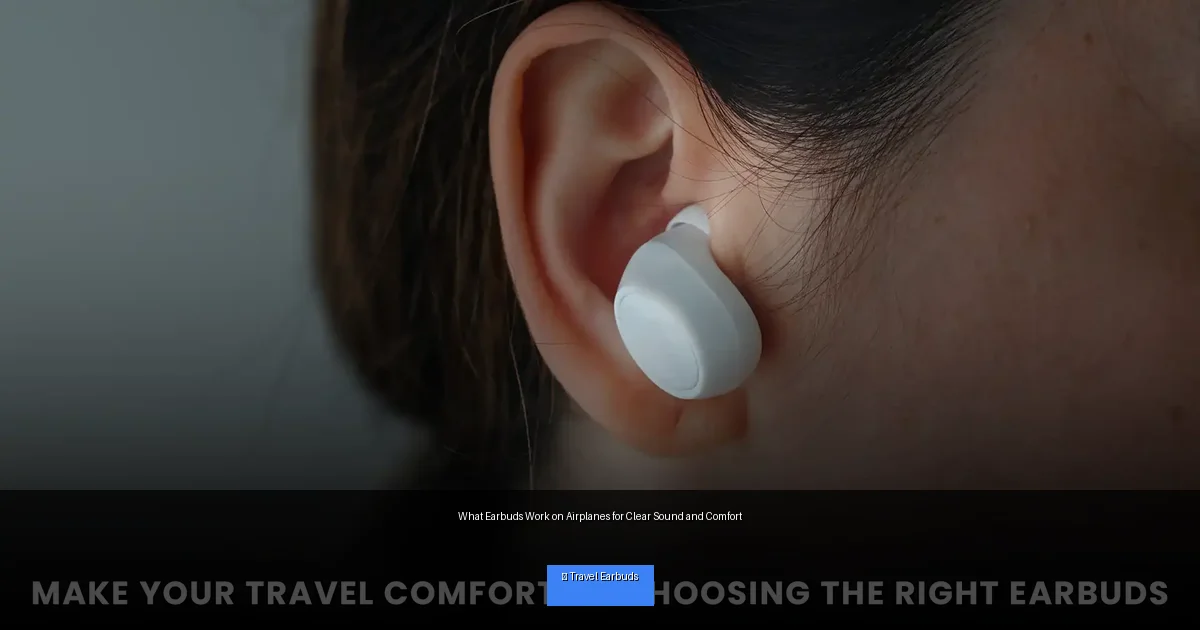
Visual guide about What Earbuds Work on Airplanes for Clear Sound and Comfort
Image source: iemlabs.com
Active Noise Cancellation (ANC) vs. Passive Noise Isolation
Active Noise Cancellation (ANC) uses microphones and electronics to cancel out low-frequency noises like engines. Passive noise isolation depends on earbuds physically blocking sound with snug tips. Both help, but ANC earbuds are often better on planes.
Step 2: Choose the Right Type of Earbuds
There are different types of earbuds to consider for flying:
True Wireless Earbuds
These have no wires and connect via Bluetooth. They are convenient but check if Bluetooth is allowed during your flight. Most airlines require devices to be in airplane mode, so some wireless earbuds can switch to a wired mode or offline use.
Wired Earbuds
Wired earbuds connect directly to your device or airplane headphone jack. They don’t rely on batteries and work perfectly on planes. They may have less noise cancellation but are simple and reliable.
Over-Ear Alternatives
While this guide focuses on earbuds, over-ear headphones can also work well for noise cancellation and comfort if you prefer them.
Step 3: Look for Key Features in Airplane-Compatible Earbuds
Noise Cancellation
Choose earbuds with strong ANC to cut down engine noise. Brands like Sony, Bose, and Apple offer good ANC earbuds suitable for flights.
Comfort and Fit
Look for earbuds with multiple ear tip sizes and soft materials like silicone or memory foam. They should fit snugly without causing pain, as you’ll wear them for hours.
Battery Life
For wireless earbuds, battery life is important. Choose earbuds that last at least 6-8 hours or come with a charging case for longer flights.
Compatibility with Airplane Systems
Some airplanes have two-prong headphone jacks. You might need an adapter for wired earbuds. Also, check if your earbuds can operate in airplane mode or offline.
Sound Quality
Clear, balanced sound helps you enjoy movies and music without straining. Avoid earbuds that emphasize bass too much as it can affect clarity.
Step 4: Prepare Your Earbuds Before the Flight
Charge Your Devices
Fully charge wireless earbuds and the case before your flight. Carry a portable charger if allowed.
Bring Necessary Adapters
Pack airplane headphone adapters if your earbuds are wired. These adapters often convert single 3.5mm plugs to dual prongs used on planes.
Download Offline Content
To avoid connectivity issues, download music, movies, or podcasts before you board.
Step 5: Use Earbuds Correctly On the Airplane
Put on Earbuds Properly
Insert earbuds securely using the right tip size. Adjust the fit to seal the ear canal for passive noise isolation.
Enable Noise Cancellation
Turn on ANC mode if your earbuds have it. This will reduce engine and cabin noise dramatically.
Adjust Volume Safely
Keep volume at a moderate level to protect your hearing. Good earbuds let you hear clearly without cranking the volume.
Troubleshooting Common Issues
Bluetooth Not Working on Plane
If your wireless earbuds won’t connect, make sure your device is in airplane mode with Bluetooth enabled if allowed. Alternatively, use wired mode or offline playback.
Earbuds Feel Uncomfortable
Try switching to different ear tip sizes or shapes. Memory foam tips can improve comfort for long flights.
Noise Cancellation Not Effective
Ensure earbuds fit tightly to your ears. ANC works best with a good seal. Also, update your earbuds’ firmware for optimal performance.
Recommended Earbuds for Airplane Use
- Sony WF-1000XM4: Industry-leading ANC and excellent sound quality.
- Bose QuietComfort Earbuds: Comfortable with powerful noise cancellation.
- Apple AirPods Pro: Great ANC and seamless iOS integration.
- Jabra Elite 75t: Good passive isolation and durable battery.
- Wired alternatives: Shure SE215 for clear sound and noise isolation.
Conclusion
Flying doesn’t have to mean dealing with constant noise and discomfort. By choosing earbuds with strong noise cancellation, comfortable fit, and airplane compatibility, you can enjoy clear sound and relax throughout your journey. Prepare ahead with charged devices and adapters, and use your earbuds properly to get the best experience on every flight.
🎥 Related Video: Watch In-Flight TV on Wireless Headphones With the Airfly
📺 Real Simple
See how to watch in-flight TV on your wireless headphones with the Airfly adapter! We demonstrate the setup and use of the Airfly, …