Is a Backpack Considered a Carry On for Airplane Travel Tips
Wondering if a backpack is considered a carry on for airplane travel? This guide covers airline size rules, what makes a backpack acceptable as carry-on luggage, and expert tips to pack smartly. Travel stress-free by knowing exactly how to choose and use your backpack as your carry-on.
Key Takeaways
- Carry-on Definition: Airlines generally accept backpacks as carry-on bags if they meet size and weight limits.
- Size Matters: Most airlines have strict maximum dimensions for carry-on luggage, including backpacks.
- Check Airline Policies: Always review your airline’s specific carry-on rules before packing.
- Packing Smart: Use compartments and packing cubes to maximize space in your backpack.
- Weight Limits: Some airlines enforce weight limits for carry-ons, so pack light for easy travel.
- Security Tips: Keep electronics and liquids accessible for quick TSA checks.
- Versatility: Backpacks often fit under the seat or in overhead bins, making them ideal carry-ons.
Is a Backpack Considered a Carry On for Airplane Travel Tips
Are you planning your next trip and wondering if your backpack qualifies as a carry on? The answer is usually yes, but it depends on several factors. In this guide, you’ll learn how airlines define carry-on luggage, what size your backpack should be, and how to pack it efficiently. Whether you’re a frequent flyer or a first-time traveler, understanding carry-on rules will save you time, money, and stress at the airport.
What Is a Carry On? Understanding the Basics
Carry-on luggage is any bag you bring on the plane with you and store in the overhead bin or under the seat in front of you. Airlines typically allow one carry-on bag and one personal item per passenger.
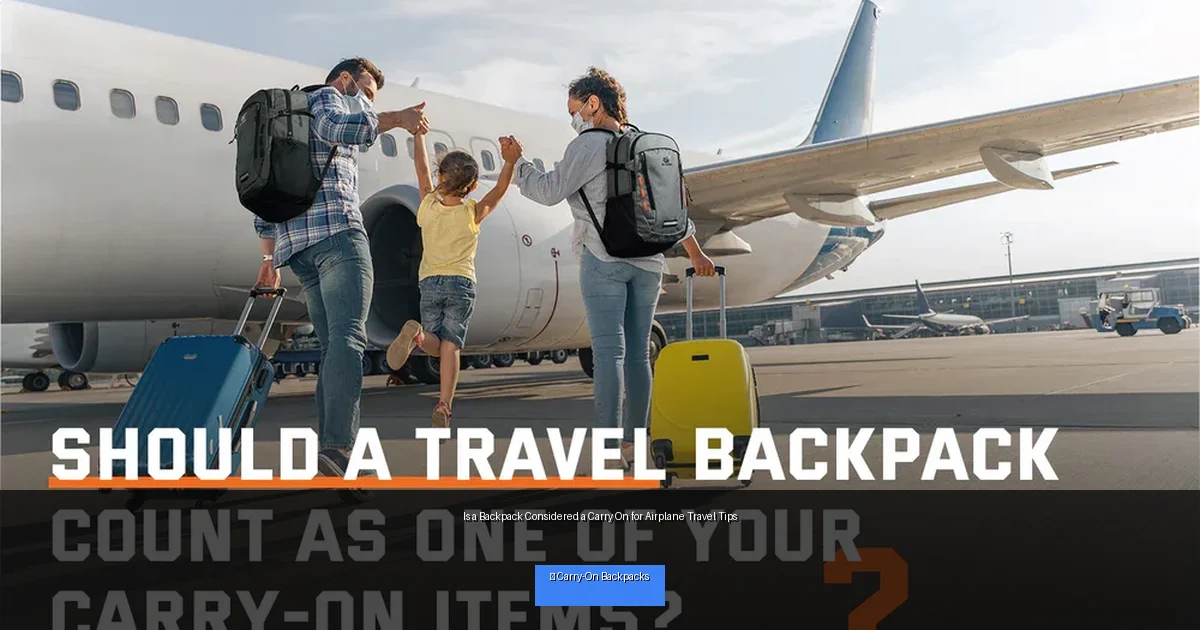
Visual guide about Is a Backpack Considered a Carry On for Airplane Travel Tips
Image source: skysper.com
Backpacks are popular carry-ons because they are easy to carry and often fit the size requirements. But not every backpack will qualify. Airlines have specific size limits which your bag must meet.
Step 1: Check Your Airline’s Carry-On Size Restrictions
Why Size Limits Matter
Each airline has its own maximum dimensions for carry-on luggage. These usually include height, width, and depth. If your backpack is too large, you might have to check it instead, which can cost extra and slow you down.
Typical Size Limits
- Most airlines allow carry-ons around 22 x 14 x 9 inches (56 x 36 x 23 cm).
- Some budget airlines have smaller limits.
- Check your airline’s website for exact measurements.
Measuring Your Backpack
Use a tape measure to check your backpack’s dimensions including any external pockets or wheels. Be sure to measure fully packed since that’s the size that counts.
Step 2: Understand Weight Limits for Carry-Ons
While size is the primary limit, some airlines also enforce weight restrictions for carry-on bags.
Typical Weight Limits
- Usually between 15-22 pounds (7-10 kg).
- Check your airline’s policy as some are stricter than others.
Tips to Pack Light
- Choose lightweight items and clothing.
- Avoid packing heavy electronics unless needed.
- Use packing cubes to organize and compress your gear.
Step 3: Select the Right Backpack for Carry-On Use
Features to Look For
- Size and shape: Slim, rectangular backpacks usually fit better in overhead bins.
- Durability: Look for sturdy materials and reliable zippers.
- Compartments: Multiple pockets help organize and access items easily.
- Comfort: Padded straps and breathable backs are helpful for long walks through airports.
Examples of Carry-On Backpacks
Popular carry-on backpacks include travel-specific brands designed to meet airline size restrictions. These often have laptop sleeves, quick-access pockets, and expandable compartments for flexibility.
Step 4: Pack Your Backpack Efficiently
Organizing Your Items
- Place heavier items at the bottom to balance weight.
- Use packing cubes to separate clothes, toiletries, and electronics.
- Keep essential items like your passport, boarding pass, and phone in an easy-to-reach pocket.
Security Screening Tips
- Keep electronics and liquids near the top or in an external compartment for quick removal.
- Follow TSA liquid rules: containers under 3.4 oz (100 ml) in a clear quart-sized bag.
Step 5: Using Your Backpack as a Carry-On at the Airport
At the Gate
Store your backpack in the overhead bin or under the seat in front of you. If it meets airline size limits, it should fit easily.
During Boarding
- Put on your backpack to keep it close and avoid blocking aisles.
- Be mindful of other passengers when placing it in overhead bins.
Troubleshooting Common Issues
My Backpack Is Too Big
If your backpack exceeds size limits, consider using a smaller bag or packing fewer items. Alternatively, check your bag to avoid gate-check fees.
Backpack Does Not Fit Under the Seat
Most backpacks fit under the seat, but if yours doesn’t, be prepared to stow it in the overhead bin. Arrive early to secure space.
Weight Limit Problems
Weigh your backpack before heading to the airport. Remove non-essential items if your bag is too heavy.
Additional Tips for Carry-On Backpack Travelers
- Choose backpacks with TSA-approved locks for security.
- Consider backpacks with water-resistant materials for unpredictable weather.
- Use compression straps to reduce bulk.
- Label your backpack with your contact information.
Conclusion
So, is a backpack considered a carry on? Yes—if it fits your airline’s size and weight requirements. By checking airline policies, selecting the right backpack, and packing smartly, you can breeze through airport security and enjoy your flight without hassle. Remember, a well-chosen carry-on backpack makes travel easier and more comfortable. Happy flying!