How to Find Hidden GPS Tracker for Car Step by Step Guide
In this guide, you will learn how to find hidden GPS trackers for your car using simple and effective methods. From physical inspections to using technology, we cover every step to help you protect your privacy and avoid unwanted tracking.
Key Takeaways
- Understand the risks: Hidden GPS trackers can invade your privacy and track your location without consent.
- Perform a thorough physical inspection: Check common hiding spots like under the car, inside wheel wells, and in the cabin.
- Use GPS tracker detectors: Devices that detect GPS signals can help find hidden trackers.
- Check your car’s battery and wiring: Unusual wiring or battery drains might indicate a tracker.
- Stay aware of suspicious activity: Unexpected alerts or phone notifications can be clues.
- Consult professionals if needed: If unsure, car security experts can perform detailed scans.
- Regularly inspect your vehicle: Routine checks help catch trackers early.
How to Find Hidden GPS Tracker for Car Step by Step Guide
Have you ever worried that someone might be tracking your car without your permission? Hidden GPS trackers can be placed on vehicles to monitor location secretly. This guide will teach you how to find hidden GPS trackers for your car with easy-to-follow steps. Whether you suspect someone is tracking you or just want to be cautious, this guide has you covered.
Why You Should Look for Hidden GPS Trackers
Hidden GPS trackers can be used for various reasons—some are harmless, like fleet management, but others can violate your privacy. Detecting these devices is crucial to protect your location data and personal safety.
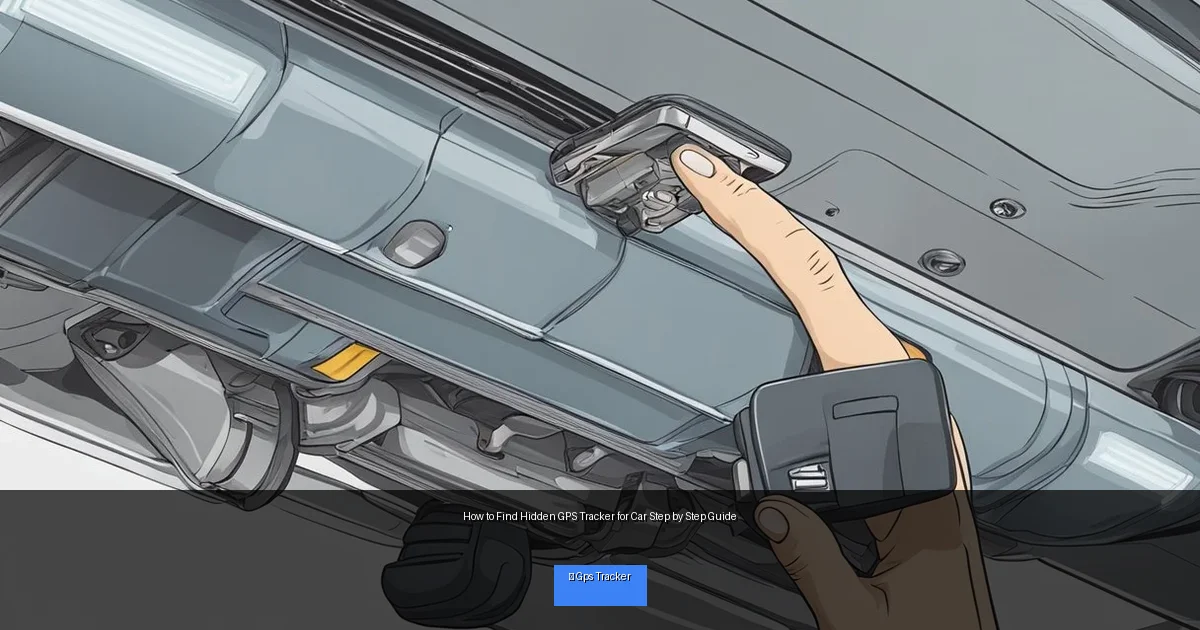
Visual guide about How to Find Hidden GPS Tracker for Car Step by Step Guide
Image source: assets-global.website-files.com
Step 1: Understand How GPS Trackers Work
GPS trackers receive signals from satellites to pinpoint location and often send data via cellular networks. Many are small, battery-powered, and can be hidden easily on a car’s exterior or interior.
Step 2: Prepare for the Inspection
Gather Tools
- Flashlight
- Magnet or small metal detector
- Cell phone with a strong signal
- GPS tracker detector (optional)
- Gloves for safety
Choose a Well-Lit Area
Inspect your car in a driveway or garage with good lighting to spot anything unusual.
Step 3: Conduct a Visual and Physical Inspection
Check Common Hiding Spots Outside the Car
- Under the chassis: Look for glued devices or magnetic cases attached to the frame.
- Wheel wells and behind bumpers: These areas often hide small trackers.
- Near the license plate: Check behind and around the license plate frame.
- Underneath mirrors and door handles: Small trackers can be concealed here.
Inspect Inside the Car
- Under seats: Remove floor mats and check under seats.
- Dashboard and glove box: Look for unusual objects or wiring.
- Center console and cup holders: Trackers can be disguised as everyday items.
Look for Extra Wiring and Battery Packs
Hidden trackers need power. Look for wires that don’t seem to belong or small battery packs tucked away.
Step 4: Use a GPS Tracker Detector
GPS tracker detectors scan for signals emitted by trackers. Here’s how to use one:
How to Use a GPS Tracker Detector
- Turn off all electronic devices in and around the car to reduce interference.
- Turn on the detector and slowly move it around the car, inside and outside.
- Pay attention to beeping or signal strength indicators.
- If the detector signals a strong GPS or cellular signal, inspect that area closely.
These detectors can also find hidden cellular transmitters which many GPS trackers use.
Step 5: Monitor Your Car’s Battery and Phone Activity
Check for Unusual Battery Drain
A hidden tracker drawing power from your car’s battery can cause faster battery drain. If you notice your car battery needs frequent recharges, it may be a sign.
Watch Your Phone for Unusual Activity
Some trackers communicate with your phone or cause interference. Strange notifications, service drops, or unusual battery use may be clues.
Step 6: Use a Bug Sweeping App
Some smartphone apps can detect hidden trackers by scanning for Bluetooth or cellular signals emitted by trackers. These apps are not always 100% reliable but can be an additional tool.
Step 7: Consult a Professional
If you feel overwhelmed or want a thorough check, car security experts can perform professional sweeps using advanced equipment. This can bring peace of mind.
Practical Tips and Examples
- Example: A common hidden tracker is a magnetic device attached under the car’s frame near the rear axle.
- Tip: Check the car after it has been parked unattended for a long time, as trackers are often placed discreetly during such moments.
- Tip: Be cautious of unfamiliar objects or devices stuck with strong adhesives or magnets.
Troubleshooting
Detector False Alarms
Some GPS detector devices may pick up signals from nearby cell towers or your own phone. Turn off your phone or move away from busy areas when scanning.
Hidden Trackers Not Emitting Signals
Some trackers are passive (only GPS logging without sending data). These are harder to detect and require physical inspection.
Battery-Powered Trackers
Battery-powered trackers don’t need wiring, so look carefully for small boxes or devices hidden in nooks or crevices.
Conclusion
Finding hidden GPS trackers in your car is possible with patience and the right approach. By performing thorough physical inspections, using detector devices, and staying aware of suspicious signs, you can protect your privacy effectively. Remember to inspect your car regularly and consult professionals if you suspect serious tracking. Stay safe and in control of your personal space!