How to Find GPS Tracker on Vehicle Easily and Effectively
In this guide, you will learn how to find a GPS tracker on your vehicle quickly and effectively. We cover easy steps, practical tips, and troubleshooting advice to help you detect any hidden devices and safeguard your privacy.
Key Takeaways
- Understand GPS trackers: Learn what GPS trackers are and why they might be on your vehicle.
- Common tracker locations: Know where to look for hidden GPS devices on your car.
- Use scanning tools: Discover how to use GPS detector devices and smartphone apps effectively.
- Manual inspection tips: Step-by-step guide to physically inspecting your vehicle for trackers.
- Signs of a tracker: Identify common signs that indicate a GPS tracker is present.
- Troubleshooting: What to do if you struggle to find the tracker or suspect multiple devices.
- Protect your privacy: Learn how to prevent unauthorized tracking in the future.
How to Find GPS Tracker on Vehicle Easily and Effectively
Do you suspect someone might be tracking your vehicle with a hidden GPS device? Finding a GPS tracker can be tricky, but it’s not impossible. In this guide, you will learn how to find a GPS tracker on your vehicle using simple and effective methods. Whether you want to protect your privacy or simply check your car for unknown devices, these steps will help you detect any GPS trackers quickly.
What is a GPS Tracker and Why Would It Be on Your Vehicle?
GPS trackers are small devices that use satellite signals to pinpoint the exact location of a vehicle. They are often used by fleet managers for vehicle tracking, parents to monitor teen drivers, or companies for security. However, some people might place GPS trackers on vehicles without the owner’s knowledge for stalking or theft purposes. That’s why it’s important to know how to find these devices.
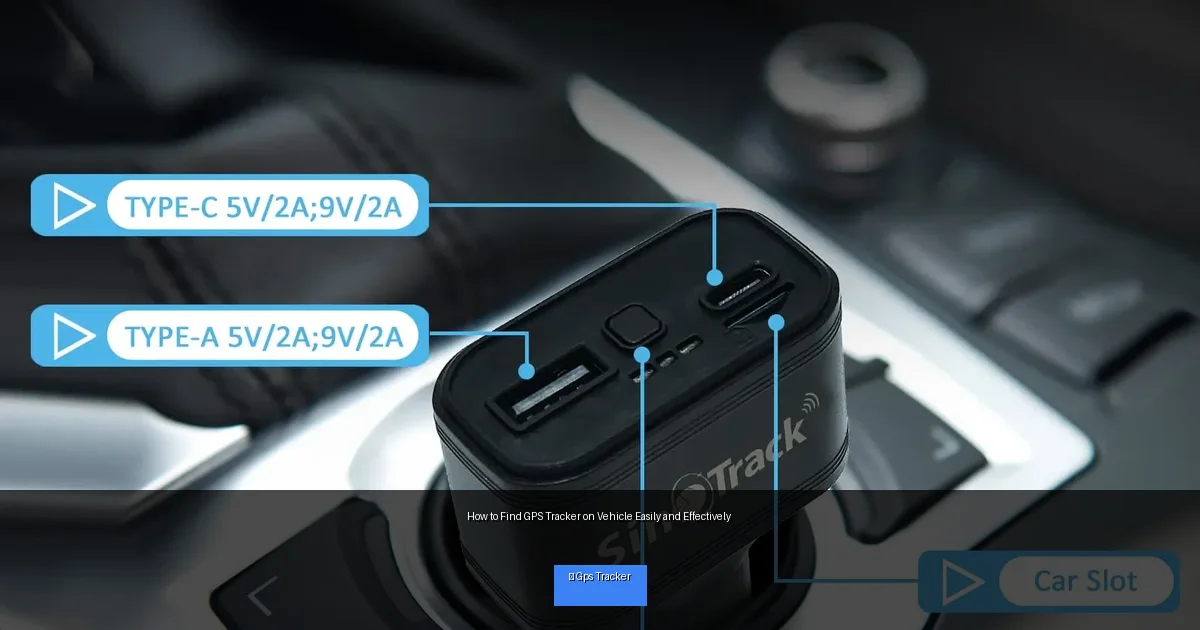
Visual guide about How to Find GPS Tracker on Vehicle Easily and Effectively
Image source: shopcdnpro.grainajz.com
Step 1: Understand What a GPS Tracker Looks Like
Before you start searching, it helps to know what you are looking for. GPS trackers are usually small, about the size of a deck of cards or smaller. They may have a magnetic base for easy attachment to metal surfaces and often have wires if they are hardwired to the vehicle’s electrical system. Some are battery-powered and wireless.
Types of GPS Trackers
- Magnetic GPS trackers: Stick to metal surfaces under the vehicle.
- Hardwired trackers: Connected to the vehicle’s wiring, usually hidden in the dashboard or under seats.
- Battery-powered trackers: Portable and can be hidden anywhere in the vehicle.
Step 2: Perform a Visual and Physical Inspection of Your Vehicle
This is the most straightforward way to find a GPS tracker. You don’t need special tools to begin.
Check Common Locations
- Underneath the vehicle: Use a flashlight to look under the chassis, bumpers, and wheel wells. GPS trackers often attach magnetically here.
- Inside the wheel wells: Remove any plastic covers or mudguards and check for unusual objects.
- Under the dashboard: Look beneath the dash, around the steering column, and near the fuse box.
- Inside the glove compartment or center console: Remove any panels or liners to check for hidden devices.
- Under seats and floor mats: Lift mats and check below seats for any suspicious gadgets.
Look for Unusual Wires or Devices
Check for wires that look out of place or new. Some trackers are hardwired and may have been connected to the vehicle’s electrical system. If you see a small box or device that wasn’t there before, examine it closely.
Step 3: Use Electronic Detection Tools
If a physical inspection doesn’t reveal anything, electronic devices can help.
GPS Detector Devices
GPS detectors scan for radio frequencies emitted by trackers. These devices can detect active GPS signals and help pinpoint the location of a tracker.
- Turn off your vehicle and all electronic devices to reduce interference.
- Turn on the detector and slowly scan the vehicle’s exterior and interior.
- Pay special attention to areas where the detector signals increase.
Use a Bug Detector or RF Scanner
Some trackers also use cellular or Bluetooth signals for communication. Bug detectors can identify these frequencies and help locate hidden devices.
Smartphone Apps
Some apps claim to detect GPS or Bluetooth signals. While not as reliable as dedicated devices, they can be a starting point for casual users.
Step 4: Analyze Your Vehicle’s Battery and Data Usage
A hidden GPS tracker often drains your vehicle’s battery or uses data if it is connected to cellular networks.
- Check your car battery: If your battery drains faster than usual, a hidden device could be the cause.
- Monitor data usage: If your vehicle has a connected system or if you use a hotspot, unusual data usage might indicate a tracker.
Step 5: Consult a Professional if Needed
If you still cannot find a tracker but strongly suspect one, consider consulting a professional. Security experts can perform thorough sweeps with advanced equipment to detect hidden devices.
Practical Tips for Finding a GPS Tracker
- Perform inspections regularly: If you are concerned about unauthorized tracking, check your vehicle often.
- Use gloves and a flashlight: Gloves protect your hands, and a flashlight helps you see in dark spaces.
- Be patient and methodical: Carefully check every area to avoid missing hidden trackers.
- Document findings: Take photos or notes if you find suspicious devices for reporting or removal.
Troubleshooting Common Issues
Can’t find a tracker but still suspect one?
Try scanning again with a GPS detector during different times of the day. Some trackers only transmit intermittently to save battery. Also, double-check all hidden spots and consult a professional if needed.
False positives from other electronics?
Many vehicle electronics emit radio signals. To avoid confusion, turn off as many electronic devices as possible and focus on signals that move with you as you scan the vehicle.
Tracker is hardwired and hidden inside panels?
Carefully remove trim panels or ask a professional to avoid damaging your vehicle. Hardwired trackers are often connected to the fuse box or OBD-II port.
How to Prevent Unauthorized GPS Tracking in the Future
- Park in secure locations: Use well-lit and monitored areas to reduce chances of someone attaching a tracker.
- Regularly inspect your vehicle: Make it a habit to check for unknown devices.
- Use GPS jammers cautiously: Note that GPS jamming is illegal in many places and can interfere with safety systems.
- Install your own tracking system: Authorized GPS trackers give you control and alerts for unauthorized tracking.
Conclusion
Finding a GPS tracker on your vehicle is possible with the right approach. By understanding what to look for, performing careful inspections, and using detection tools, you can uncover hidden trackers and protect your privacy. Remember to stay vigilant and act quickly if you discover any unauthorized devices. With this guide, you now know how to find a GPS tracker on your vehicle easily and effectively.