Ultimate Walking Shoes Stretching Guide for Comfortable Fit
Finding the perfect fit in walking shoes is essential for comfort and foot health. This guide offers easy-to-follow stretching techniques to help you expand your walking shoes gently, ensuring less pain and a better walking experience. Whether your shoes feel tight or you need just a bit more room, these tips will help you get a comfy fit quickly.
Key Takeaways
- Understand the importance of stretching: Properly stretched walking shoes prevent blisters, pain, and discomfort.
- Use gradual stretching methods: Avoid damaging your shoes by stretching slowly and carefully.
- Try multiple techniques: From wearing thick socks to using shoe stretchers, different methods suit different shoe materials.
- Apply heat and moisture carefully: These elements can help soften shoe materials for effective stretching.
- Perform targeted stretching: Focus on tight spots like the toe box or heel to improve overall comfort.
- Know when to seek professional help: Some shoes may need expert stretching to avoid damage.
- Maintain your shoes after stretching: Use proper care to keep the fit comfortable over time.
Ultimate Walking Shoes Stretching Guide for Comfortable Fit
Walking shoes are a staple for many who enjoy daily walks, exercise, or simply need comfortable footwear for long days on their feet. But what happens when your new walking shoes feel too tight or pinch your feet? That’s where stretching comes in. This guide will teach you how to stretch walking shoes safely and effectively so you can enjoy a perfect fit without pain. You’ll learn easy, step-by-step methods, practical tips, and troubleshooting advice to keep your shoes comfortable.
Why Stretching Your Walking Shoes Matters
New walking shoes often fit snugly. While a little tightness can be normal, excessive pressure may cause blisters, calluses, or foot pain. Stretching your shoes helps create extra room, especially in key areas like the toe box and heel. This leads to better comfort, improved foot health, and a more enjoyable walking experience. Proper stretching also prevents long-term damage to your feet and ensures your shoes last longer.
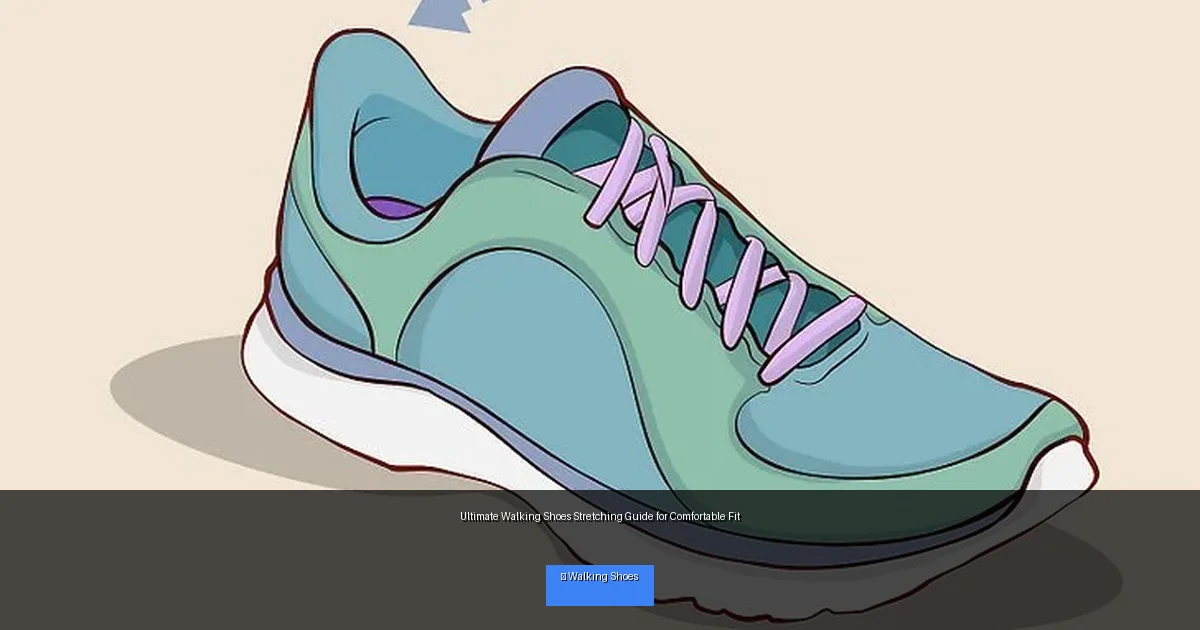
Visual guide about Ultimate Walking Shoes Stretching Guide for Comfortable Fit
Image source: wikihow.com
Step 1: Identify Tight Areas in Your Walking Shoes
Wear Your Shoes and Check for Pressure Points
Put on your walking shoes with the socks you usually wear. Walk around for 10-15 minutes and note where the shoes feel tight. Common problem areas include the toes, sides, or heel. Pinpointing these spots helps you focus your stretching efforts and avoid overstretching other parts.
Perform a Visual and Manual Inspection
Take off your shoes and look inside for creases or pinch points. Press with your fingers to feel stiffness. This inspection will guide you on which stretching technique to apply and where.
Step 2: Prepare Your Shoes for Stretching
Clean Your Shoes
Before stretching, clean your shoes gently using a damp cloth. Dirt and debris can interfere with the stretching process and damage shoe materials.
Choose the Right Socks
Wear thick socks or multiple pairs when stretching by wearing the shoes. This adds padding and helps expand the shoe gradually.
Step 3: Stretch Your Walking Shoes Using Different Methods
Method 1: Wear Thick Socks and Use Heat
- Put on two or three pairs of thick socks.
- Wear your walking shoes and use a hairdryer on medium heat, focusing on tight areas for 1-2 minutes.
- Keep the shoes on while they cool down to mold to your feet.
- Repeat this 2-3 times if necessary but avoid overheating.
Heat softens the shoe material, making it more pliable for stretching.
Method 2: Use a Shoe Stretcher
- Purchase a quality shoe stretcher designed for walking shoes.
- Insert the stretcher inside the shoe and adjust it to apply gentle pressure on tight areas.
- Leave it in place for 12-24 hours.
- Check the fit and repeat as needed.
Shoe stretchers are great for targeted, controlled stretching without damaging the shoe.
Method 3: Use Frozen Water Bags
- Fill a plastic bag with water, seal it tightly.
- Place the bag inside the shoe, focusing on tight areas.
- Put the shoe in the freezer overnight.
- As water freezes, it expands and gently stretches the shoe.
- Remove the bag and try on the shoes once thawed.
Method 4: Use Professional Stretching Services
If your walking shoes are expensive or made from delicate materials, consider taking them to a professional shoe repair shop. They have specialized equipment to stretch shoes safely without damage.
Step 4: Stretch Specific Areas of Your Walking Shoes
Stretching the Toe Box
If your toes feel cramped, focus on expanding the front of the shoe. Use a shoe stretcher with a toe box attachment or insert a ball or rounded object inside the shoe’s toe area and gently push outward.
Stretching the Heel
For heel tightness, use a heel stretcher or wear thick socks and gently massage or bend the heel area to loosen the material.
Stretching the Width
To widen the shoe, use a broad shoe stretcher and adjust it to push the sides outward evenly.
Step 5: Maintain Your Walking Shoes Post-Stretching
Wear Your Shoes Gradually
After stretching, wear your shoes for short walks to let them adjust further to your feet.
Use Shoe Trees
Insert shoe trees when not in use to keep the shape and prevent shrinking.
Store Properly
Keep your shoes in a cool, dry place away from direct sunlight to maintain material integrity.
Troubleshooting Common Issues
My Shoes Still Feel Tight After Stretching
Try combining methods, such as wearing thick socks with a shoe stretcher overnight. If discomfort persists, the shoe might be too small, and a different size or model may be necessary.
My Shoes Got Damaged While Stretching
Overheating or forcing the shoe too much can cause damage. Always stretch gradually and never use excessive force. For delicate materials, consult a professional.
How Do I Avoid Blisters During Stretching?
Wear thick socks and apply blister prevention balms or powders. Also, stretch in small increments to prevent friction and pressure.
Conclusion
Stretching your walking shoes is a simple yet effective way to improve comfort and avoid foot pain. By identifying tight spots and using the right methods — whether heat, shoe stretchers, or freezing techniques — you can gently expand your shoes to fit like a glove. Remember to be patient and gradual in your approach, maintain your shoes well, and seek professional help when needed. With these tips, your walking shoes will support your every step comfortably for miles to come.