Are Hiking Shoes or Boots Better for Your Next Outdoor Adventure
Choosing between hiking shoes and boots depends on your trail type, weather, and personal comfort. This guide breaks down the pros and cons of each to help you pick the perfect footwear for your next outdoor adventure.
Key Takeaways
- Comfort matters: Hiking shoes offer lightweight comfort, while boots provide superior ankle support.
- Terrain type: Boots are better for rough, rocky trails; shoes excel on well-maintained paths.
- Weather conditions: Waterproof boots keep feet dry in wet conditions; shoes may dry faster in warm weather.
- Weight difference: Shoes are generally lighter, reducing fatigue on long hikes.
- Durability: Boots typically last longer under harsh conditions.
- Break-in period: Boots often require more time to break in than shoes.
- Cost considerations: Boots usually cost more but offer added protection and support.
Are Hiking Shoes or Boots Better for Your Next Outdoor Adventure?
When preparing for an outdoor adventure, one of the biggest questions is whether to choose hiking shoes or boots. Each has its unique benefits and drawbacks. In this guide, you’ll learn how to decide which footwear suits your hiking style, terrain, and personal preference. By the end, you’ll know how to pick the best option to keep your feet comfortable and protected on the trail.
Understanding the Basics: Hiking Shoes vs. Hiking Boots
Before deciding, it helps to understand what sets hiking shoes and boots apart.
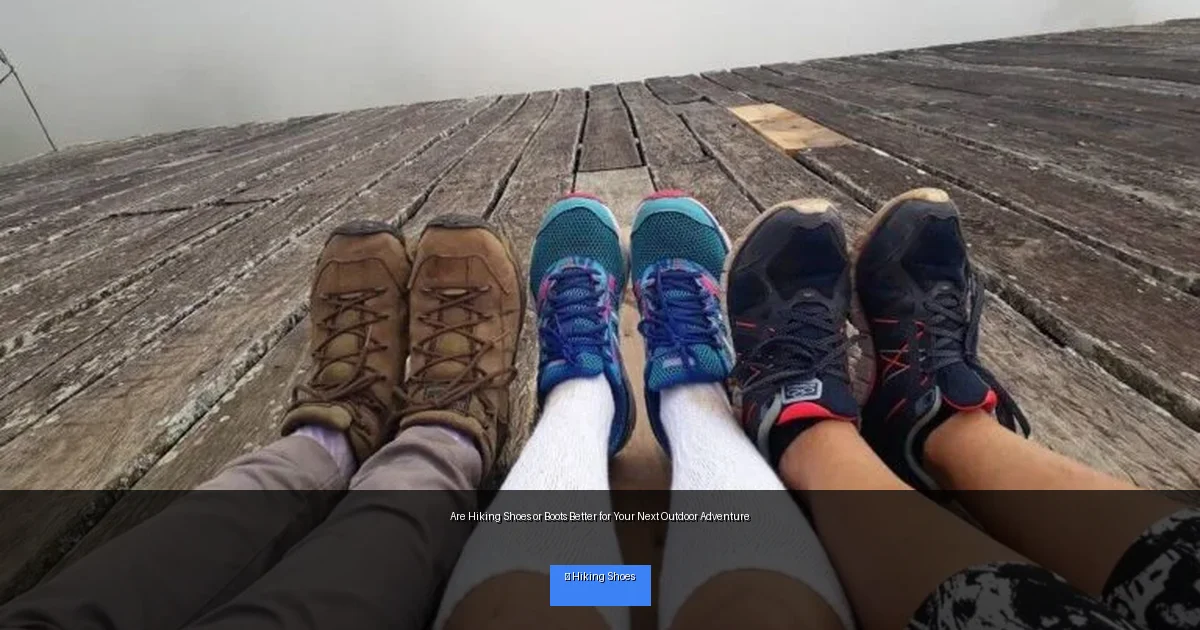
Visual guide about Are Hiking Shoes or Boots Better for Your Next Outdoor Adventure
Image source: outdooradept.com
What Are Hiking Shoes?
Hiking shoes are low-cut footwear designed to be lightweight and flexible. They usually resemble running shoes but with tougher soles and better grip. Shoes are great for easy to moderate trails and warm weather hikes.
What Are Hiking Boots?
Hiking boots are high-cut and cover your ankle. They provide extra support, protection, and stability. Boots are ideal for rugged terrain, uneven trails, and colder or wetter conditions.
Step 1: Consider the Terrain You’ll Encounter
Your hiking environment plays a big role in choosing footwear.
Easy, Well-Maintained Trails
If you plan on walking on smooth, flat paths, hiking shoes are a smart choice. They are lighter and allow your feet to breathe better.
Rocky, Uneven, or Mountainous Terrain
For rough terrain with steep climbs or loose rocks, hiking boots provide the necessary ankle support and protection from debris.
Step 2: Think About Weather Conditions
Weather impacts your foot comfort and safety significantly.
Wet or Rainy Conditions
Waterproof hiking boots keep your feet dry and prevent blisters caused by wet socks. They also protect against mud and puddles.
Hot and Dry Weather
In warm climates, hiking shoes with breathable mesh can help keep your feet cool and reduce sweating.
Step 3: Evaluate Your Hiking Style and Duration
How you hike matters for your footwear choice.
Day Hikes and Short Walks
If you’re out for a few hours on well-groomed trails, shoes offer enough protection with less weight.
Backpacking and Multi-Day Hikes
For long hikes carrying a heavy pack, boots offer better support and reduce the risk of injury.
Step 4: Assess Support and Protection Needs
Foot and ankle support can prevent injuries on challenging hikes.
Ankle Support
Boots cover the ankle and offer stability to avoid twists and sprains, especially on uneven terrain.
Toe and Foot Protection
Boots often have reinforced toes and thicker soles to shield against rocks and roots.
Step 5: Compare Weight and Breathability
Weight affects how tired your feet feel, and breathability affects comfort.
Weight
Shoes are typically lighter, helping reduce fatigue over long distances.
Breathability
Shoes with mesh panels allow air to flow, keeping feet cooler and drier.
Step 6: Consider Durability and Maintenance
Durability ensures your footwear holds up over time.
Material Quality
Boots usually use tougher materials like full-grain leather, making them more durable but harder to maintain.
Care and Cleaning
Shoes with mesh dry faster and require less maintenance, while boots may need waterproofing treatment.
Step 7: Try Them On for the Perfect Fit
Proper fit is crucial regardless of shoes or boots.
Fit Tips
- Try on footwear in the afternoon when feet are swollen.
- Wear the socks you plan to hike with.
- Ensure there’s enough toe room but no heel slippage.
- Walk around to test comfort and support.
Step 8: Break Them In Before Your Adventure
New boots especially require break-in time.
Break-in Tips
- Wear them at home for short periods.
- Take short walks before hitting longer trails.
- Use moisture-wicking socks to prevent blisters.
Troubleshooting Common Footwear Issues
Blisters
Blisters often result from poor fit or moisture. Use proper socks and adjust lacing to prevent rubbing.
Foot Fatigue
If your feet tire quickly, consider lighter shoes or boots with better cushioning.
Slipping and Poor Traction
If you slip on wet or rocky terrain, choose footwear with aggressive tread patterns and sticky rubber soles.
Conclusion: Making the Right Choice for Your Hike
Choosing between hiking shoes and boots depends on your trail, weather, and hiking style. Hiking shoes are great for lighter, easier hikes in warm weather. Boots are best for rough terrain, wet conditions, and heavy loads. By evaluating your needs carefully and trying on different options, you can find the perfect footwear to keep your feet happy and safe on every outdoor adventure.