How to Scan for GPS Tracker on Car and Protect Your Privacy Today
In this guide, you will learn how to scan for a GPS tracker on your car using simple tools and methods. We cover step-by-step instructions so you can detect hidden trackers and protect your privacy effectively.
Key Takeaways
- Understanding GPS Trackers: Learn what GPS trackers are and how they work on vehicles.
- Visual Inspection: How to perform a thorough physical check of your car for suspicious devices.
- Using Electronic Scanners: Discover tools like RF detectors to find hidden trackers emitting signals.
- Battery and Power Sources: Tips on where trackers are commonly powered and hidden.
- Professional Help: When and why to seek expert assistance for complex cases.
- Privacy Protection: Best practices to safeguard your vehicle and personal information.
- Troubleshooting: Common issues and how to resolve false positives or missed trackers.
How to Scan for GPS Tracker on Car and Protect Your Privacy Today
Are you worried someone might be tracking your car without your consent? With technology advancing, GPS trackers have become easy to hide and hard to detect. But don’t worry! In this guide, you will learn how to scan for a GPS tracker on your car step-by-step. We’ll walk you through simple methods, tools you can use, and tips to keep your privacy intact.
Understanding GPS Trackers and Why They Matter
GPS trackers are small devices that can be attached to a vehicle to monitor its location in real-time. They are often used by companies to track fleets, but they can also be misused by stalkers, thieves, or anyone wanting to spy on you. Knowing how to find these devices is critical for your safety and privacy.
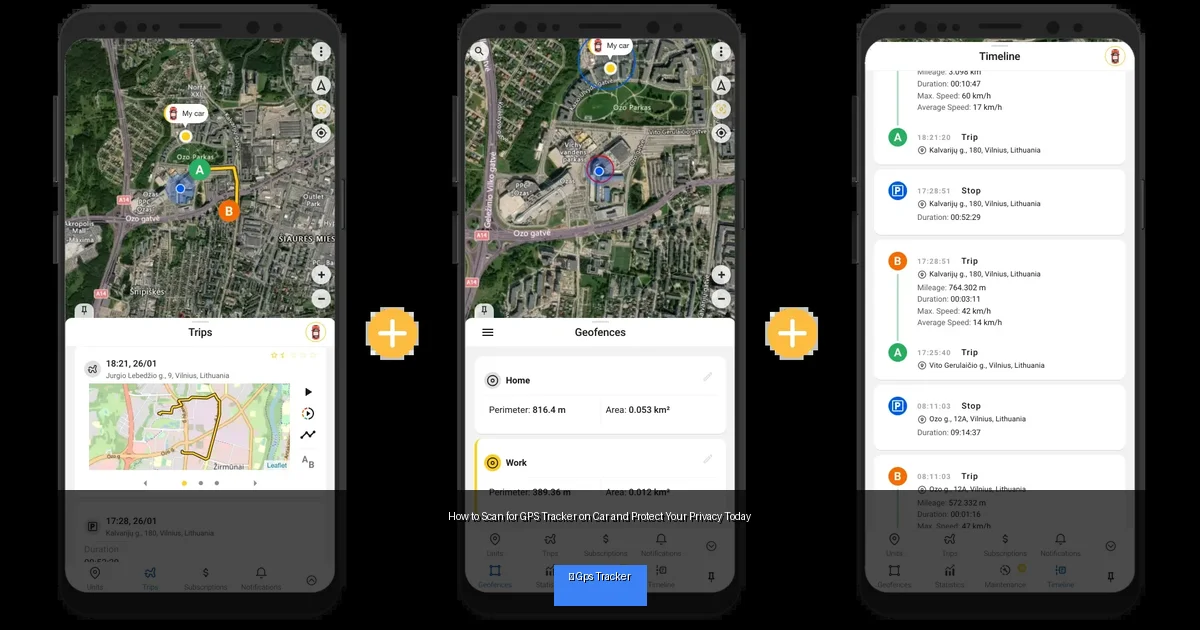
Visual guide about How to Scan for GPS Tracker on Car and Protect Your Privacy Today
Image source: content.gurtam.space
Step 1: Prepare for the Scan
Gather Necessary Tools
Before you start, have these items ready:
- A flashlight
- A magnetic wand (optional, for metal detection)
- A smartphone or tablet
- An RF (Radio Frequency) detector or bug detector (recommended)
- A notebook to record findings
Choose a Safe and Well-Lit Location
Perform your scan in a quiet, well-lit place like your driveway or garage. This will help you focus and spot small devices more easily.
Step 2: Conduct a Visual Inspection
Start by visually checking your car thoroughly. GPS trackers are usually small and can be hidden in tricky spots.
Check Common Hiding Spots
- Underneath the car (look near wheel wells and the chassis)
- Inside the wheel rims
- Behind the bumper or grille
- Under seats or inside the glove compartment
- Inside the center console or dashboard panels
- Underneath mats and carpets
- Near OBD-II port (usually under the dashboard, near the driver’s side)
Look for Unusual Devices or Wires
Spot anything that seems out of place, such as extra wires, magnets, or small black boxes. Take note of anything suspicious.
Step 3: Use an RF Detector to Scan for Signals
GPS trackers often emit radio signals to communicate location data. An RF detector can help identify these signals.
How to Use an RF Detector
- Turn off all electronic devices in and around your car to reduce interference.
- Switch on the RF detector and scan around the car slowly.
- Pay close attention to areas where the detector’s signal spikes.
- If the detector alerts you, inspect that area more closely.
Tips for Effective Scanning
Move the detector close to tight spaces and hidden areas. Be patient and thorough. Some trackers emit weak signals, so scan multiple times.
Step 4: Inspect the OBD-II Port
The OBD-II port is a favorite spot for GPS trackers because it provides power from the car’s system.
Locate and Examine the Port
- Find the port beneath the driver’s side dashboard.
- Look for any attached devices or adapters you don’t recognize.
- GPS trackers may look like small dongles plugged into the port.
Step 5: Use a Magnetic Wand for Metal Detection (Optional)
Many GPS trackers have metal components, so a magnetic wand can help identify hidden devices stuck underneath your car.
How to Use a Magnetic Wand
- Run the wand slowly along the underside of your vehicle.
- Notice if the wand sticks to any unusual spots.
- If it does, investigate the area carefully for devices.
Step 6: Seek Professional Help When Needed
If you find suspicious devices or if your scans are inconclusive, consider hiring a professional.
Who to Contact
- Security professionals specializing in counter-surveillance
- Auto mechanics with experience in electronic devices
- Private investigators familiar with GPS tracker detection
Professionals have advanced tools like frequency analyzers and can remove trackers safely.
Troubleshooting: What to Do If You Can’t Find a Tracker
- False Negatives: Some trackers are battery-powered and emit signals only intermittently. Scan multiple times at different times of day.
- Signal Interference: Nearby electronics can block RF detectors. Try scanning in a different location.
- Hidden Well: Trackers can be disguised as car parts. Pay attention to anything unusual even if it looks like factory equipment.
Additional Tips to Protect Your Privacy
- Regularly inspect your car, especially if you suspect tracking.
- Use GPS tracker jammers carefully and legally, where allowed.
- Be cautious about who has access to your vehicle.
- Keep your car locked and secure at all times.
Conclusion
Learning how to scan for GPS tracker on your car is an important step to safeguard your privacy and personal security. With simple tools like visual checks and RF detectors, you can detect hidden trackers before they cause harm. Remember to be thorough, patient, and don’t hesitate to seek professional help when needed. Taking control of your vehicle’s security today ensures peace of mind tomorrow.