How Does a GPS Tracker Work and Why You Need One Today
GPS trackers use satellite technology to pinpoint the location of a person, vehicle, or object in real time. This guide explains how a GPS tracker works step-by-step and highlights why owning one can improve safety, security, and peace of mind.
Key Takeaways
- GPS Basics: GPS trackers use satellites to determine precise locations anywhere on Earth.
- Real-Time Tracking: They send location data instantly to your device or computer for monitoring.
- Types of GPS Trackers: There are personal, vehicle, and asset trackers tailored to different needs.
- Benefits: Improve safety, prevent theft, and keep tabs on loved ones or valuable belongings.
- Installation: Most GPS trackers are easy to install or carry, with some requiring professional setup.
- Troubleshooting: Common issues include signal loss and battery problems, with simple fixes available.
- Privacy Considerations: Using GPS trackers responsibly and understanding legal guidelines is important.
Introduction: What You Will Learn About GPS Trackers
If you’ve ever wondered how does a GPS tracker work or whether you need one, this guide is for you. We’ll explain the technology behind GPS trackers in simple terms, walk you through the different types available, and show you how to use one effectively. By the end, you’ll understand why these devices are essential for safety, security, and peace of mind in today’s world.
Step 1: Understanding the Basics of GPS Technology
What is GPS?
GPS stands for Global Positioning System. It is a network of satellites orbiting the Earth that send signals to GPS receivers. Each satellite broadcasts its location and the exact time. A GPS tracker uses these signals to calculate its position on the planet.
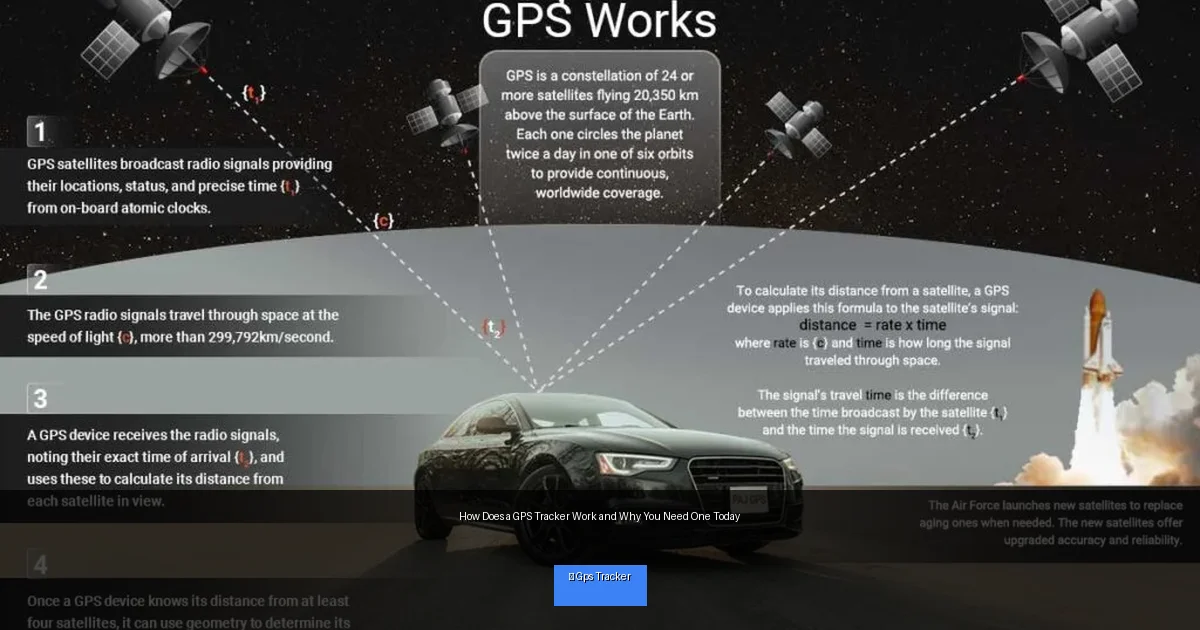
Visual guide about How Does a GPS Tracker Work and Why You Need One Today
Image source: paj-gps.co.uk
How Does a GPS Tracker Calculate Location?
The tracker receives signals from at least four satellites. By measuring how long the signals take to reach it, the tracker calculates the distance from each satellite. Using this data, it pinpoints its exact location through a process called trilateration.
Step 2: Exploring the Components of a GPS Tracker
GPS Receiver
This is the core part that communicates with satellites to get location data.
Communication Module
Most trackers use cellular networks to send location info to your phone or computer. Some use Bluetooth or Wi-Fi.
Power Source
GPS trackers can be battery-powered or wired to a vehicle’s power supply. Battery life varies depending on usage.
Memory and Processor
Some trackers store location data internally, especially if out of network range, and then upload it later.
Step 3: Types of GPS Trackers and Their Uses
Personal GPS Trackers
Small and portable, these are great for kids, elderly family members, or hikers. They help keep track of where loved ones are for safety.
Vehicle GPS Trackers
Installed in cars, trucks, or motorcycles, these trackers help monitor vehicle location, prevent theft, and improve fleet management.
Asset GPS Trackers
Used for valuable items like equipment, luggage, or cargo. These help businesses and individuals track possessions.
Step 4: How to Set Up and Use a GPS Tracker
Choosing the Right Tracker
Think about what you want to track and how often you need updates. Battery life, size, and subscription fees may influence your choice.
Installation
- For personal trackers, simply charge and carry the device.
- Vehicle trackers may require professional installation to connect to the car’s electrical system.
- Asset trackers can be attached using adhesive or mounted securely.
Activating and Configuring
Follow the manufacturer’s instructions to activate the device. Install the mobile app or access the web portal to set tracking preferences like update intervals and alerts.
Monitoring Location
Use the app or web platform to see real-time location updates. You can also set geo-fences to receive alerts if the tracker leaves a designated area.
Step 5: Practical Tips for Using GPS Trackers Effectively
- Keep devices charged: For battery-powered trackers, regular charging is essential to ensure continuous tracking.
- Check signal strength: GPS requires a clear view of the sky; avoid placing trackers in metal boxes or underground.
- Use alerts wisely: Set notifications for movement or boundary breaches to respond quickly.
- Update software: Keep your tracker’s firmware and app up to date for best performance and security.
Troubleshooting Common GPS Tracker Issues
Lost Signal or No Location Data
Make sure the tracker has a clear line of sight to the sky. Indoor use or dense urban areas can block satellite signals. Moving the tracker outdoors usually fixes this.
Battery Draining Quickly
Reduce update frequency or turn off unnecessary features. Replace old batteries if rechargeable ones don’t hold charge well.
Delayed Location Updates
Check your cellular or internet connection. Poor coverage can slow data transmission. Switching to a different network or location may help.
Why You Need a GPS Tracker Today
GPS trackers give you control and peace of mind. Whether it’s keeping loved ones safe, protecting your vehicle from theft, or managing valuable assets, these devices provide real-time information that can save time, money, and stress. In a world where location matters more than ever, having a GPS tracker is a smart choice.
Conclusion
Now you know how does a GPS tracker work and how easy it is to use one. From understanding the satellite technology to choosing the right tracker and troubleshooting common issues, you are ready to make an informed decision. Adding a GPS tracker can improve your safety and security, making it an essential tool for modern life.