Are Backpacks Allowed As Carry On Discover Airline Rules Today
Backpacks are generally allowed as carry-on bags on most airlines, but size and weight restrictions vary. This guide explains airline rules, how to choose the right backpack, and tips to pass security checks smoothly. Travel smarter with your carry-on backpack by understanding what’s allowed and what to avoid.
Key Takeaways
- Backpacks are usually accepted as carry-on items: Most airlines allow backpacks as carry-on, provided they meet size and weight limits.
- Size restrictions matter: Airlines have specific maximum dimensions for carry-on bags, including backpacks.
- Weight limits vary: Some airlines impose weight limits on carry-ons, which can affect your backpack packing.
- Consider airline-specific rules: Domestic and international carriers may have different carry-on policies.
- Security screening tips: Pack your backpack to easily pass TSA or other security checks.
- Choose backpacks designed for travel: Carry-on backpacks with organized compartments make passing rules easier.
- Know when backpacks count as personal items: Some airlines allow a backpack as a personal item instead of a carry-on bag.
Are Backpacks Allowed As Carry On? Discover Airline Rules Today
Planning your next trip and wondering if your trusty backpack can be your carry-on luggage? You’re not alone. Many travelers prefer backpacks because they are easy to carry and often fit snugly in overhead bins or under seats. This comprehensive guide will walk you through airline rules about backpacks as carry-ons, how to choose the right backpack, and tips for smooth airport security checks.
By the end of this guide, you will know exactly whether backpacks are allowed as carry-on bags, how to pick one that fits airline guidelines, and how to pack it efficiently. Let’s get started!
Step 1: Understand Airline Carry-On Policies
Check Size Requirements
Each airline sets its own size limits for carry-on luggage. Usually, the maximum dimensions are around 22 x 14 x 9 inches (56 x 36 x 23 cm). Your backpack must fit within these dimensions to count as a carry-on.
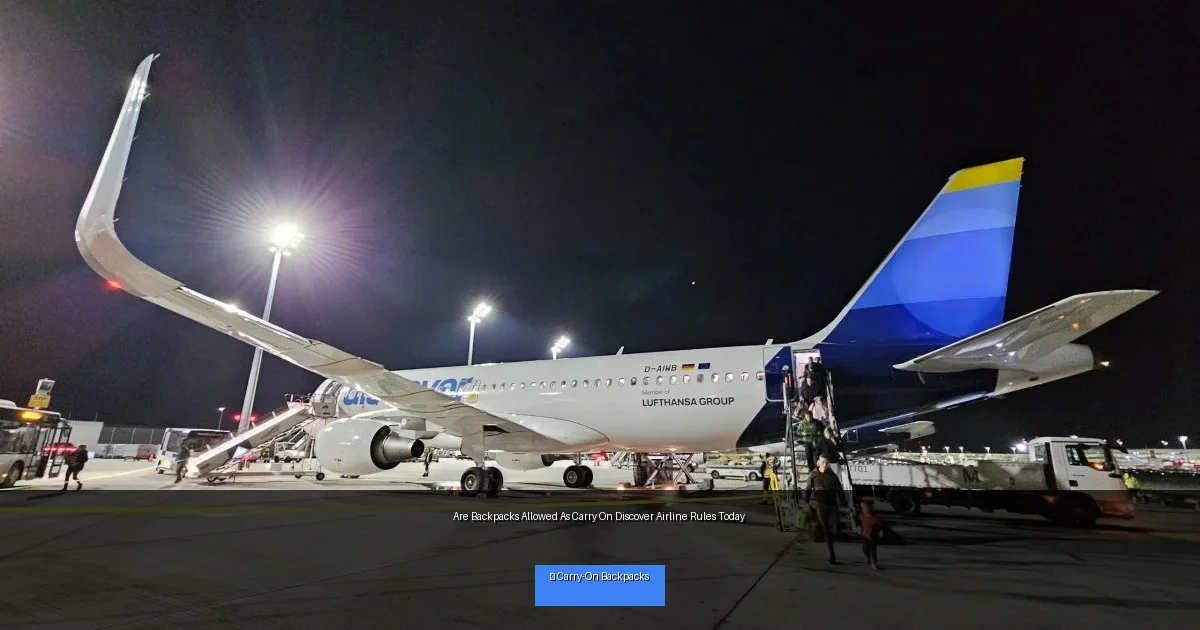
Visual guide about Are Backpacks Allowed As Carry On Discover Airline Rules Today
Image source: cestee.com
Before you pack, visit the airline’s official website to confirm their carry-on size limits. Some low-cost carriers have tighter restrictions, so double-check to avoid surprises at the gate.
Know Weight Limits
Weight restrictions for carry-ons vary by airline and route. Some airlines allow up to 15-22 lbs (7-10 kg), while others do not have strict weight limits but may enforce them during boarding.
Weigh your backpack after packing to ensure compliance. Overweight carry-ons can be gate-checked or incur fees.
Personal Item vs. Carry-On
Many airlines allow one carry-on bag plus a personal item, like a purse or laptop bag. Some travelers wonder if their backpack can serve as a personal item instead of a carry-on.
Check if your backpack qualifies as a personal item — typically smaller than carry-on limits — to save space and avoid fees. Otherwise, it counts as your carry-on bag.
Step 2: Choose the Right Backpack for Carry-On
Pick a Backpack That Meets Size Limits
Look for backpacks specifically designed to meet airline carry-on dimensions. Many travel backpacks list dimensions on product pages.
Consider backpacks between 18-22 inches tall with adjustable straps and compression features to fit your needs.
Look for Organized Compartments
A good carry-on backpack has separate compartments for laptops, chargers, clothes, and toiletries. This helps with security screening and keeps items accessible.
Opt for Lightweight and Durable Materials
Choose a backpack made of lightweight yet sturdy materials like nylon or polyester. This helps you maximize packing without exceeding weight limits.
Step 3: Pack Your Backpack Efficiently
Use Packing Cubes or Compression Bags
Packing cubes keep your clothes organized and compressed, maximizing space inside your backpack.
Distribute Weight Evenly
Place heavier items closer to your back and lighter items near the front to balance the backpack. This makes it more comfortable to carry.
Keep Liquids and Electronics Accessible
Pack liquids in a clear quart-sized bag and store electronics in easy-to-reach compartments to speed up security screening.
Step 4: Know What You Can and Cannot Carry
Follow TSA and Security Regulations
Review the TSA’s 3-1-1 liquids rule: liquids must be in containers of 3.4 ounces (100 ml) or less and all fit in a 1-quart clear bag.
Remove laptops and electronics from your backpack during screening unless you have TSA PreCheck.
Avoid Prohibited Items
Never pack sharp objects, flammable items, or other prohibited goods in your carry-on backpack.
Step 5: Navigate Airport Security With Your Backpack
Prepare for Screening
At the security checkpoint, place your backpack in a bin or on the conveyor belt. Remove any electronics or liquids as required.
Use TSA PreCheck or Similar Programs
If eligible, TSA PreCheck allows you to keep your backpack on and skip some removal steps, speeding up your journey.
Troubleshooting: What if Your Backpack is Too Big or Heavy?
At the Gate
If your backpack exceeds size or weight limits, gate agents may ask you to check it. Have a backup plan for checked luggage if needed.
Strategies to Avoid Fees
- Repack to reduce weight
- Use compression bags
- Wear heavier items instead of packing them
Conclusion
Backpacks are widely accepted as carry-on bags on most airlines if they meet size and weight requirements. By understanding airline rules, choosing the right backpack, and packing smartly, you can breeze through airport security and travel comfortably.
Remember to check your airline’s specific policies before your trip and prepare your backpack accordingly. With these tips, your backpack will be your perfect carry-on companion on your next adventure!