Top Walking Shoes Tips for Beginners to Boost Comfort and Style
Starting your walking journey? This guide shares top walking shoes tips for beginners to help you pick the perfect pair that blends comfort and style. From fit to features, learn how to walk confidently and pain-free.
Key Takeaways
- Choose the Right Fit: Proper shoe fit is essential to avoid blisters and discomfort during walks.
- Consider Arch Support: Selecting shoes that match your arch type helps maintain foot health and comfort.
- Look for Cushioning: Good cushioning absorbs impact and reduces fatigue.
- Prioritize Breathability: Shoes with breathable materials keep feet cool and dry.
- Test the Shoes: Always try walking in new shoes before committing to ensure comfort and support.
- Replace Shoes Regularly: Worn-out shoes can cause injury and reduce walking efficiency.
- Match Style with Function: Modern walking shoes offer style without compromising on comfort.
Top Walking Shoes Tips for Beginners to Boost Comfort and Style
Walking is one of the simplest ways to stay active and healthy. But if you’re new to walking regularly, choosing the right walking shoes is key. The wrong shoes can cause discomfort, blisters, or even injuries. In this guide, you’ll learn top walking shoes tips for beginners that will help you pick the perfect pair. We’ll cover everything from fit and support to style and maintenance. By the end, you’ll be ready to walk comfortably and confidently.
Step 1: Understand Your Foot Type
Before buying walking shoes, it’s important to know your foot type. This affects the kind of support and cushioning you need.
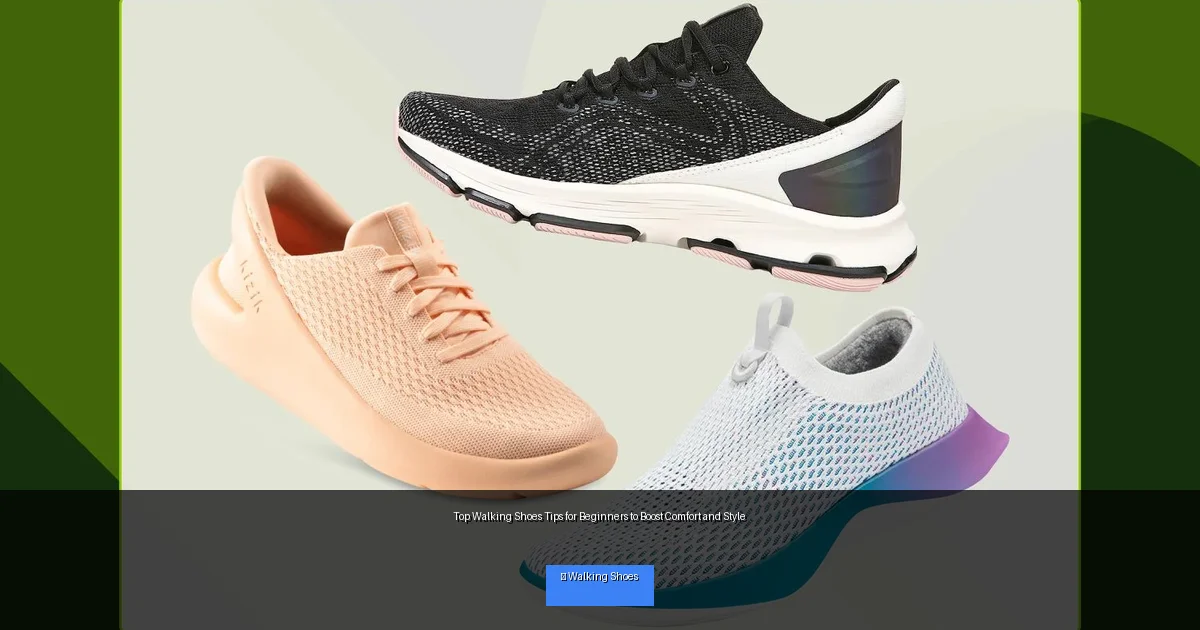
Visual guide about Top Walking Shoes Tips for Beginners to Boost Comfort and Style
Image source: health.com
How to Identify Your Arch Type
- Wet Test: Wet your foot and step on a piece of paper. Look at the imprint:
- If you see a full footprint, you have a low arch (flat feet).
- If the middle part of your footprint is narrow, you have a normal arch.
- If you see only the heel and ball of your foot with a thin connection, you have a high arch.
Why It Matters
Low arches usually need stability shoes to prevent overpronation (foot rolling inward). High arches may require cushioned shoes to absorb shock. Normal arches benefit from neutral shoes with balanced support.
Step 2: Measure Your Feet Correctly
Many beginners skip this step, but proper measurement ensures the shoes fit well.
Best Time to Measure
Measure your feet in the afternoon or after walking. Feet tend to swell during the day, so this gives a realistic size.
How to Measure
- Stand on a hard surface with your full weight on your foot.
- Trace your foot on a piece of paper.
- Measure from heel to the longest toe for length.
- Measure across the widest part for width.
Tip:
Always try shoes on both feet, as one foot is often slightly larger.
Step 3: Look for Key Features in Walking Shoes
Not all athletic shoes are made equal. Here are important features to look for in walking shoes:
Cushioning
Look for midsoles with EVA foam or gel cushioning to absorb impact. This helps reduce knee and joint stress during walks.
Arch Support
Choose shoes that match your arch type to maintain natural foot alignment and prevent pain.
Heel Support
A firm heel counter stabilizes your foot and prevents excessive movement.
Flexibility
Shoes should bend easily at the ball of the foot but remain stable elsewhere.
Breathability
Mesh uppers or breathable materials keep feet cool and reduce sweat.
Lightweight Design
Lighter shoes reduce fatigue and make walking easier.
Step 4: Try On Shoes Properly
Proper fitting is crucial. Follow these tips when testing shoes:
Wear the Right Socks
Use the socks you plan to wear while walking to get an accurate fit.
Test With a Walk
Walk around the store or your home for at least 10 minutes to check comfort.
Check Toe Room
Ensure there’s about a thumb’s width of space between your longest toe and the shoe’s front.
Heel Fit
Your heel should feel snug without slipping out.
Step 5: Break in Your New Walking Shoes
New shoes may feel stiff. Gradually break them in to avoid blisters and soreness.
Short Walks
Wear your new shoes for short walks around the house or neighborhood for a few days.
Use Socks and Powder
Wear moisture-wicking socks and consider foot powder to reduce friction.
Adjust Laces
Experiment with lacing techniques to relieve pressure points.
Step 6: Maintain Your Walking Shoes
Proper care extends shoe life and maintains performance.
Clean Regularly
Remove dirt and sweat by wiping shoes with a damp cloth. Avoid machine washing.
Air Them Out
Let shoes dry naturally after use to prevent odor.
Rotate Shoes
If you walk often, alternate between two pairs to allow shoes to decompress.
Step 7: Know When to Replace Your Walking Shoes
Worn-out shoes lose support and can cause injury.
Signs to Replace
- Uneven outsole wear
- Reduced cushioning
- New aches or pains
- Visible damage or sole separation
Generally, replace shoes after 300-500 miles of walking.
Troubleshooting Common Issues
Blisters or Hot Spots
- Check for tight or loose fitting shoes.
- Use blister pads or lubricants.
- Try different socks or lacing patterns.
Foot Pain or Discomfort
- Ensure proper arch support.
- Consider orthotic insoles if needed.
- Consult a podiatrist for persistent pain.
Overheating or Excessive Sweating
- Choose shoes with breathable mesh.
- Wear moisture-wicking socks.
- Keep feet dry with foot powders.
Conclusion
Choosing the right walking shoes can make all the difference for beginners. By understanding your foot type, measuring correctly, and focusing on support and comfort, you can find shoes that help you walk longer and pain-free. Remember to break in your shoes gradually and care for them to extend their life. Most importantly, enjoy your walking journey with confidence and style. With these top walking shoes tips for beginners, you’re set to step out comfortably and look great!