Should Hiking Shoes Be Bigger for Comfort and Better Fit Tips
Choosing the right hiking shoe size is crucial for comfort and performance on the trail. Should hiking shoes be bigger? This guide explains when a slightly larger size helps and how to find the perfect fit. Learn practical tips to avoid blisters, improve stability, and hike with confidence.
Key Takeaways
- Proper fit matters: Hiking shoes that fit well prevent discomfort and injuries.
- Slightly bigger size can help: Extra space allows for foot swelling and thicker socks.
- Too big is bad: Oversized shoes cause blisters and instability.
- Try shoes later in the day: Feet swell during the day, so afternoon fittings are best.
- Consider your hiking conditions: Terrain and sock thickness affect shoe size choice.
- Test with a hike: Walk around in your shoes to ensure comfort before buying.
- Use insoles or lacing techniques: Customize fit for better comfort and support.
Should Hiking Shoes Be Bigger for Comfort and Better Fit Tips
When it comes to hiking, your shoes are one of the most important pieces of gear. A good pair of hiking shoes can make your trek enjoyable, while poorly fitting shoes can lead to pain, blisters, and even injury. One common question many hikers ask is: should hiking shoes be bigger? In this guide, you’ll learn how to determine the right size for your hiking shoes, why a slightly larger size might be beneficial, and practical tips to ensure your shoes fit perfectly for all your adventures.
Why Is Proper Hiking Shoe Fit Important?
Your feet swell as you walk, especially on long hikes or in warm weather. A shoe that fits perfectly when you try it on in the store might feel tight or uncomfortable after hours on the trail. Proper fit helps to:
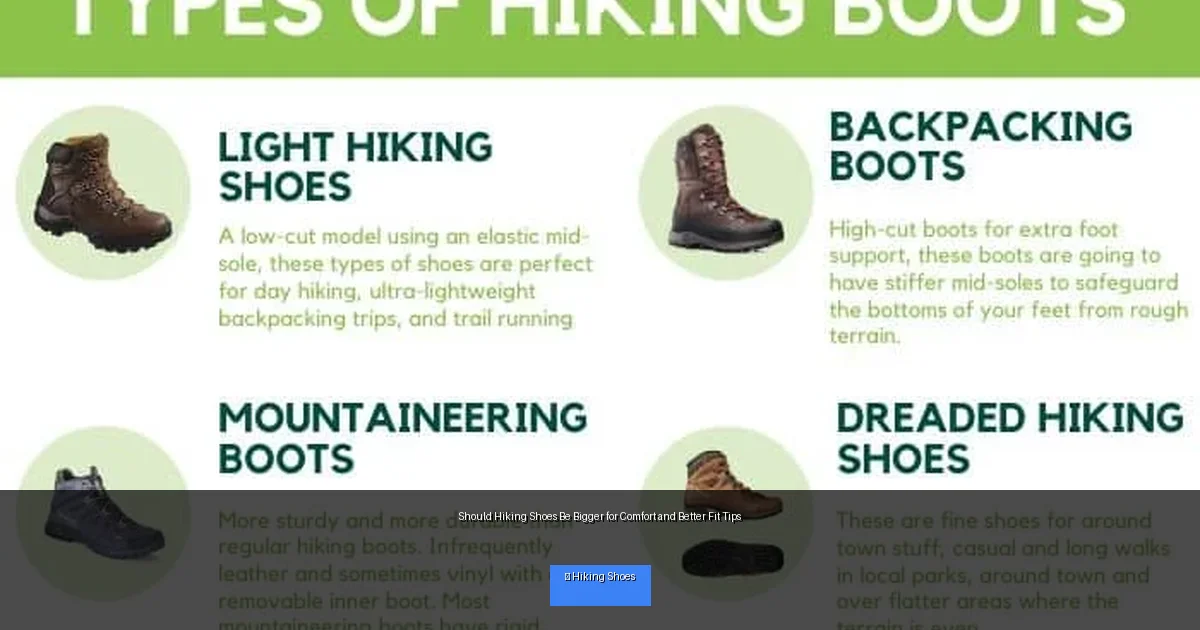
Visual guide about Should Hiking Shoes Be Bigger for Comfort and Better Fit Tips
Image source: easytripguides.com
- Prevent blisters and hotspots
- Provide stability and support
- Reduce foot fatigue
- Protect your toes from impact
Understanding how size affects fit is the first step to choosing the right hiking shoe.
Step 1: Understand Your Foot Size and Shape
Measure Your Feet Accurately
Start by measuring your feet at the end of the day when they are at their largest. Use a ruler or measuring tape to get the length and width of each foot. Remember, most people have one foot slightly larger than the other, so use the larger foot as your guide.
Consider Your Foot Shape
Feet vary in width, arch height, and toe box shape. Some brands offer wide or narrow options. Knowing your foot’s shape helps you find a shoe that fits well, not just in length but in overall volume.
Step 2: Should Hiking Shoes Be Bigger? The Pros and Cons
Benefits of a Slightly Larger Shoe
- Room for swelling: Feet naturally swell during hikes, so extra space prevents pinching.
- Thicker socks: You may want to wear wool or thermal socks that add bulk.
- Toe protection: Slightly more space lets your toes move and avoids bruising from impacts downhill.
Risks of Oversized Shoes
- Heel slippage: If too large, your heel will slip, causing blisters.
- Lack of control: You may lose stability on tricky terrain.
- Tripping hazard: Excess space can make your foot slide and increase the chance of falls.
Step 3: How Much Bigger Should Hiking Shoes Be?
Experts generally recommend about a half size to a full size larger than your street shoes. This translates to about a thumb’s width (roughly 0.5 to 1 cm) of space between your longest toe and the front of the shoe.
Check Your Toe Room
With your hiking socks on, stand and press your toes forward. There should be enough space so your toes don’t touch the front, but not so much that your foot slides.
Test Heel Fit
Your heel should feel snug but not cramped. When you walk, your heel should not slip out. If it does, the shoes may be too big.
Step 4: Try Hiking Shoes On Correctly
Wear the Right Socks
Use the socks you intend to hike with. Thin socks will make the shoe feel bigger, while thick socks take up more space.
Try Shoes in the Afternoon
Feet swell during the day, so trying shoes in the afternoon or evening gives a more accurate fit.
Walk Around
Take a 10-15 minute walk in the shoes on different surfaces if possible. This helps you notice any discomfort or slippage.
Step 5: Use Fit Adjustments to Improve Comfort
Custom Insoles
Insoles can improve arch support and fill extra space for a better fit.
Lacing Techniques
Adjusting laces can lock your foot in place, reducing heel lift or pressure points.
Heel Grips and Tongue Pads
These accessories help prevent slipping if the shoe is slightly big.
Step 6: Troubleshooting Common Fit Issues
Blisters on Toes or Heel
Usually caused by friction from slipping. Try thicker socks, insoles, or lacing adjustments.
Toenails Turning Black
Sign of toes hitting the front. Consider a larger size or shoes with a roomier toe box.
Foot Cramps or Numbness
May be caused by shoes that are too tight or laced too tightly. Loosen laces or try wider shoes.
Heel Slippage
Try heel grips, tighter lacing, or a slightly smaller size.
Step 7: Final Tips for Buying Hiking Shoes
- Research brands: Different brands fit differently; try several to find your best match.
- Consider hiking terrain: Technical trails may need a snug fit for control, while easier trails allow more room.
- Break them in: Wear new shoes around the house or on short walks before hitting the trail.
- Replace worn shoes: Old shoes lose support and fit, increasing injury risk.
Conclusion
So, should hiking shoes be bigger? The answer is yes, but only slightly bigger than your regular shoes. Allowing a bit of extra space can improve comfort, prevent injuries, and accommodate thick socks and foot swelling. However, avoid shoes that are too large, as they can cause blisters and instability. By understanding your foot shape, trying shoes on properly, and using helpful fit adjustments, you’ll find hiking shoes that support you every step of the way. Happy hiking!