What Can You Bring in a Carry On Backpack for Easy Travel
Traveling light and hassle-free starts with knowing exactly what you can bring in a carry on backpack. This guide covers essential items, packing tips, and airline regulations to help you pack smart and breeze through security.
Key Takeaways
- Know airline restrictions: Understand size, weight, and prohibited items before packing your carry on backpack.
- Pack smart essentials: Include travel documents, electronics, a change of clothes, and toiletries within allowed limits.
- Use packing cubes: Organize your items efficiently to maximize space and ease access.
- Follow liquid rules: Keep liquids under 3.4 ounces (100 ml) and pack them in a clear quart-sized bag.
- Include comfort items: Earplugs, neck pillows, and snacks can make your journey more enjoyable.
- Check security guidelines: Remove prohibited items and prepare electronics for screening.
- Prepare for emergencies: Bring basic first aid and medications in your carry on backpack.
What Can You Bring in a Carry On Backpack for Easy Travel
Traveling with just a carry on backpack is one of the smartest ways to make your journey easier. You avoid checked baggage fees, skip long waits, and keep your belongings close. But what exactly can you bring in a carry on backpack? This guide will walk you through everything you need to know about packing the right items, following airline rules, and staying organized for smooth travels.
Step 1: Understand Airline Carry On Restrictions
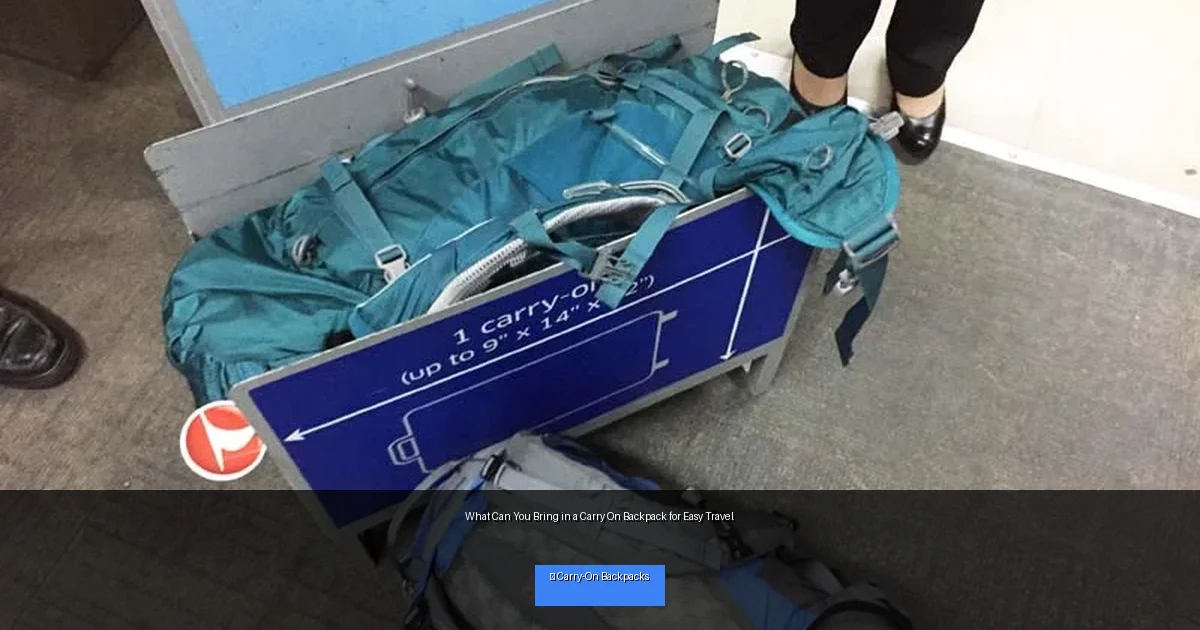
Before you start packing, it’s important to check the specific airline regulations for carry on backpacks. Different airlines have different size and weight limits, so knowing these will prevent surprises at the gate.
Visual guide about What Can You Bring in a Carry On Backpack for Easy Travel
Image source: thebudgetmindedtraveler.com
Check Size and Weight Limits
Most airlines allow carry on bags up to about 22 x 14 x 9 inches (56 x 36 x 23 cm), but some budget carriers have smaller allowances. Weigh your packed backpack to ensure it meets the airline’s maximum weight, often between 15-22 pounds (7-10 kg).
Know Prohibited Items
Security rules restrict certain items like sharp objects, large liquids, and flammable materials. Familiarize yourself with TSA or your country’s equivalent guidelines to avoid having to discard items at security.
Step 2: Choose the Right Backpack
The size and design of your carry on backpack can make or break your packing experience.
Look for Airline-Approved Dimensions
Pick a backpack labeled as “carry on size” or check the dimensions to ensure it fits overhead bins. A backpack with a clamshell opening helps with easy packing and unpacking.
Opt for Lightweight and Durable Material
Since you’ll be carrying it, choose a backpack that’s lightweight but strong. Water-resistant fabric is a plus to protect your belongings.
Consider Organization Features
Multiple compartments and pockets help keep items sorted. A dedicated laptop sleeve and external pockets for quick-access items can be very useful.
Step 3: Pack Essential Documents and Electronics
Start with the must-have items that keep your trip running smoothly.
Travel Documents
- Passport or ID
- Boarding pass (digital or printed)
- Travel itinerary and accommodation details
- Credit cards and some cash
Keep these in a safe, easily accessible compartment.
Electronics and Chargers
- Phone and charger
- Laptop or tablet with charger
- Headphones or earbuds
- Power bank for charging on the go
Pack electronics in a separate section to make security screening quicker.
Step 4: Pack Clothing and Personal Items
Choose versatile clothing that can be layered and mixed for different occasions.
Clothing
- One to two changes of clothes (tops, bottoms, underwear)
- Light jacket or sweater
- Socks and comfortable shoes (wear bulkier shoes during travel)
Roll your clothes tightly or use packing cubes to save space.
Personal Care Items
- Travel-sized toiletries (under 3.4 oz / 100 ml each)
- Toothbrush and toothpaste
- Deodorant
- Hairbrush or comb
- Small pack of tissues or wipes
Place liquids in a transparent quart-sized bag for security checks.
Step 5: Include Comfort and Convenience Items
These little extras can improve your travel experience.
- Neck pillow and eye mask
- Earplugs or noise-cancelling headphones
- Snacks like nuts, granola bars, or dried fruit
- Reusable water bottle (empty through security, fill after)
- Pen for filling out customs forms
Step 6: Pack Smart Using Organization Techniques
Getting your backpack organized saves time and stress.
Use Packing Cubes
Packing cubes keep clothes and items sorted. You can quickly find what you need without unpacking everything.
Keep Liquids Accessible
Place your quart-sized liquid bag near the top or in an external pocket for easy removal at security.
Store Electronics Separately
Put laptops and tablets in a dedicated sleeve to speed up security screening.
Troubleshooting Common Packing Issues
Backpack Too Heavy
If your backpack feels too heavy, reassess what you packed. Remove non-essential items or switch to lighter alternatives.
Liquids Confiscated at Security
Make sure all liquids are in containers of 3.4 ounces (100 ml) or less and packed in a single clear bag. Avoid buying liquids after security to prevent confusion.
Overweight Carry On
Use a portable luggage scale to check weight before leaving for the airport. If overweight, consider removing heavier items or transferring some to your personal item.
Conclusion: Travel Light, Travel Smart
Packing the right items in your carry on backpack can transform your travel experience. By understanding airline rules, choosing the right backpack, and packing smart essentials and comforts, you’ll breeze through airports and enjoy your trip more. Remember, less is more when it comes to carry on travel—focus on essentials and convenience for easy travel every time.
🎥 Related Video: Can You Use a Backpack as a Carry-on?
📺 TravelClosely
Read more on the blog: https://travelclosely.com/2023/03/04/use-backpack-as-a-carry-on/ Wondering if you can use a backpack …