Do Travel Backpacks Count As Carry On Find Out Now
Travel backpacks often count as carry on luggage, but size and airline policies matter. This guide explains how to confirm if your travel backpack qualifies as carry on, offers packing tips, and helps you avoid surprises at the airport.
Key Takeaways
- Carry on size limits vary by airline: Knowing your airline’s specific dimensions is key for your travel backpack to qualify.
- Most travel backpacks fit carry on requirements: Many are designed to meet standard airline size limits.
- Weigh your backpack wisely: Airlines may have weight limits for carry on bags, including backpacks.
- Check airline policies on backpacks: Some airlines count backpacks separately or as personal items.
- Packing smart helps fit more: Organizing your backpack efficiently maximizes space and compliance.
- Consider features like compartments and straps: These can affect comfort and carry on usability.
- Always verify before you fly: Airline rules can change, so double-check before your trip.
Do Travel Backpacks Count As Carry On? Find Out Now
Wondering whether your trusty travel backpack counts as a carry on? You’re not alone. When preparing for a flight, understanding what counts as carry on luggage can save you time, money, and hassle. In this guide, you’ll learn what airlines typically allow, how to measure your backpack, and tips to ensure your travel backpack meets carry on requirements.
Step 1: Understand What Carry On Means
The term carry on refers to the bag you bring with you onto the plane. This bag must fit in the overhead bin or under the seat in front of you. Carry on luggage is typically limited in size and weight, and each airline sets its own rules. Travel backpacks can count as carry on if they meet these size and weight limits.
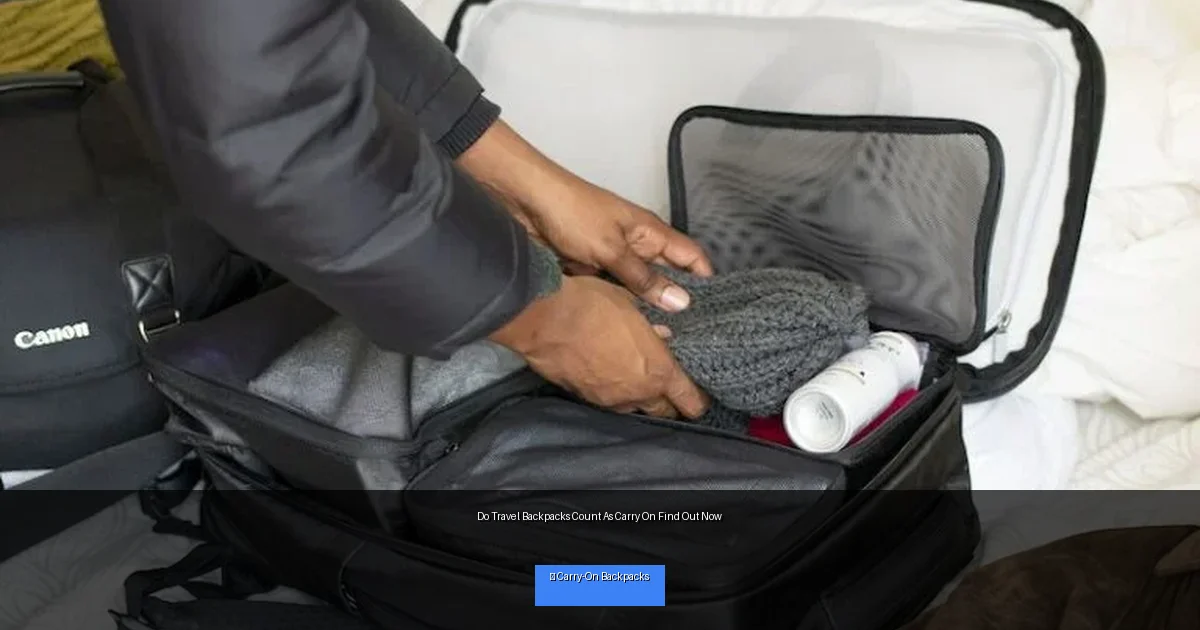
Visual guide about Do Travel Backpacks Count As Carry On Find Out Now
Image source: blog.tortugabackpacks.com
What Are Typical Carry On Size Limits?
Most airlines allow carry on bags up to around 22 inches tall, 14 inches wide, and 9 inches deep. However, these dimensions vary. For example:
- American Airlines: 22 x 14 x 9 inches
- Delta Airlines: 22 x 14 x 9 inches
- United Airlines: 22 x 14 x 9 inches
- Southwest Airlines: 24 x 16 x 10 inches
Check your airline’s website for exact carry on size limits before you travel.
Step 2: Measure Your Travel Backpack
To determine if your backpack counts as carry on, measure its dimensions carefully. Here’s how:
Measure Height, Width, and Depth
- Height: Measure from the bottom of the backpack to the top, including any handles or straps that stick out.
- Width: Measure the widest point across the front of the backpack.
- Depth: Measure the thickest point from front to back.
Include All External Features
Don’t forget any side pockets, water bottle holders, or attached gear that could add to the backpack’s size.
Step 3: Check Your Airline’s Backpack Policy
Each airline treats backpacks differently. Some count a backpack as your main carry on, others as a personal item, and a few may charge extra for larger backpacks. Here’s what to do:
Visit the Airline’s Website
Look for the section on carry on baggage or personal items. Search for keywords like “backpack,” “carry on,” or “personal item.”
Contact Customer Service
If the website isn’t clear, call the airline’s customer service. Ask if your travel backpack counts as carry on and about any size or weight restrictions.
Step 4: Pack Your Travel Backpack Smartly
Packing efficiently can help your backpack fit carry on rules and save space.
Use Packing Cubes
Packing cubes help compress your clothes and keep items organized. This can reduce the bulk of your backpack.
Wear Bulky Items
Wear your heaviest shoes and jacket on the plane to free up space in your backpack.
Keep Essentials Accessible
Use outer pockets for important items like passports and boarding passes.
Step 5: Weigh Your Backpack
Some airlines have weight limits on carry on bags, typically around 15-22 pounds. Use a luggage scale or a bathroom scale to weigh your packed backpack to avoid surprises at the gate.
Troubleshooting: What If My Backpack Is Too Big?
If your travel backpack exceeds airline size limits, consider these options:
- Use a smaller backpack: Invest in a backpack designed for carry on use.
- Check the bag: If allowed, check your backpack instead of carrying it on.
- Compress the backpack: Remove external attachments and compress the contents.
- Split items: Move some contents to a smaller personal item like a purse or daypack.
Tips for Choosing a Carry On Travel Backpack
When buying a travel backpack intended as carry on, look for:
- Airline-compliant dimensions: Choose a backpack clearly labeled as carry on size.
- Lightweight construction: A lighter backpack means more packing freedom without exceeding weight limits.
- Multiple compartments: Easier organization and access to essentials.
- Comfortable straps and back support: Especially important if you’ll carry it long distances.
- Durable material and zippers: To withstand frequent travel.
Conclusion: Your Travel Backpack Can Count as Carry On
Most travel backpacks do count as carry on luggage if they meet airline size and weight limits. To ensure your backpack qualifies as carry on, measure it carefully, check airline policies, pack smartly, and weigh your bag. Being prepared means less stress at the airport and more time to enjoy your trip. Remember, when in doubt, check with your airline. Happy travels!