How GPS Tracker Works Explained for Easy Understanding and Use
GPS trackers use satellite signals to pinpoint locations accurately. In this guide, you’ll learn how GPS trackers work, how to use them effectively, and tips to troubleshoot common issues. Understanding GPS technology helps you make the most of your device for safety, navigation, and monitoring.
Key Takeaways
- GPS Basics: GPS trackers receive signals from satellites to determine precise locations.
- Device Components: Essential parts include the GPS receiver, antenna, and communication module.
- Real-Time Tracking: Data is sent via cellular or other networks for live monitoring.
- Power Source: GPS trackers use batteries or external power to operate continuously.
- Common Uses: Tracking vehicles, pets, personal safety, and assets.
- Setup Process: Simple steps include device activation, installation, and app connection.
- Troubleshooting: Address signal loss, battery issues, and connectivity problems easily.
How GPS Tracker Works Explained for Easy Understanding and Use
If you’ve ever wondered how GPS trackers work or considered using one, you’re in the right place. This guide will walk you through the basics of GPS tracking technology, how these devices function, and practical steps to get the most out of your GPS tracker.
By the end, you’ll understand what makes a GPS tracker tick and how to set up and troubleshoot your device with ease.
What Is a GPS Tracker?
A GPS tracker is a device that uses signals from satellites to find the exact location of an object or person. It sends this location data to a computer, smartphone, or monitoring system so you can see where the tracker is in real time or review its past movements.
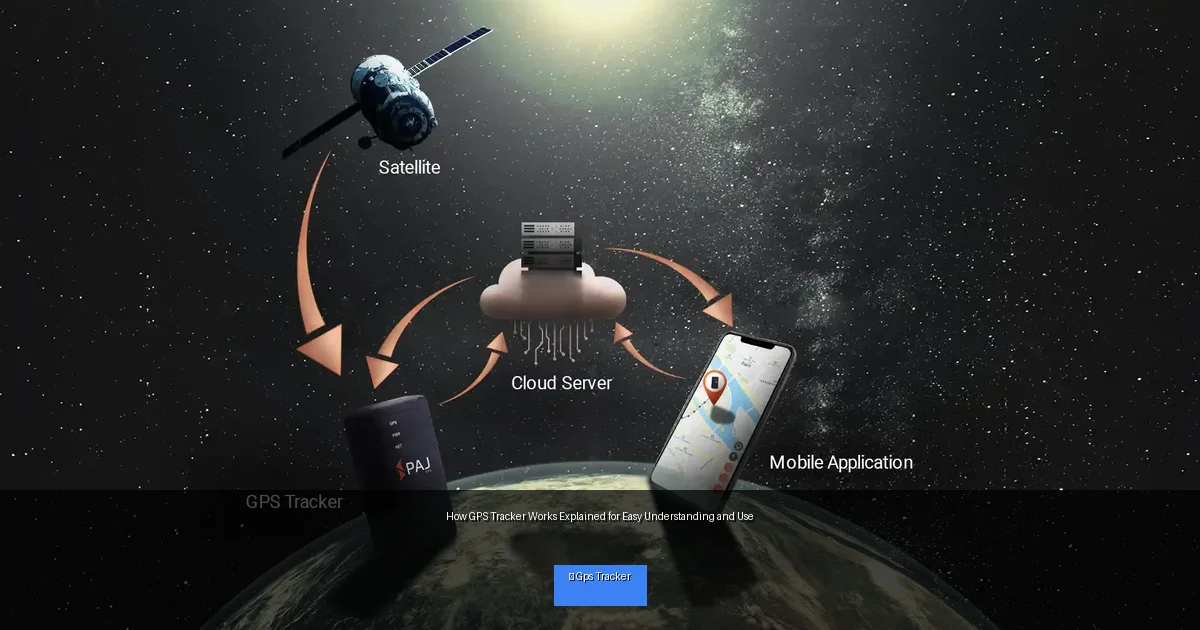
Visual guide about How GPS Tracker Works Explained for Easy Understanding and Use
Image source: paj-gps.com
GPS trackers are widely used for vehicles, pets, children, employees, and valuable assets. Knowing how they work helps you choose the right device and use it effectively.
Step 1: Understanding GPS Technology
What GPS Means
GPS stands for Global Positioning System. It is a network of about 30 satellites orbiting Earth. These satellites continuously transmit signals containing their location and time.
How Your Tracker Finds Location
The GPS tracker has a built-in receiver that listens for signals from at least four GPS satellites. By measuring how long it takes for each satellite’s signal to reach the device, the tracker calculates its exact coordinates (latitude, longitude, and altitude).
Triangulation Explained
This process of using multiple satellite signals to pinpoint location is called triangulation. The more satellites the device connects with, the more accurate the location reading.
Step 2: Components Inside a GPS Tracker
GPS Receiver and Antenna
This is the heart of the tracker. The receiver processes satellite signals, and the antenna captures those signals clearly. Without a good antenna, the tracker may struggle to get a strong GPS fix.
Communication Module
Once the device knows its location, it uses a communication module (like cellular, Wi-Fi, or radio) to send the location data to your phone or monitoring system.
Power Supply
GPS trackers are powered by rechargeable batteries or connected to an external power source (such as a car’s electrical system). Battery life varies depending on usage and tracking frequency.
Processor and Memory
The device contains a small computer processor that manages signal processing, communication, and data storage. Some trackers save location data internally if they lose connection temporarily.
Step 3: Setting Up Your GPS Tracker
Activate the Device
Most GPS trackers need to be activated with a SIM card and subscription plan for cellular data. Follow your device’s instructions to insert the SIM and activate the service.
Install the Tracker
Place or mount the tracker on the object or person you want to monitor. For vehicles, common locations are under the dashboard or in the glove compartment. Make sure the device has a clear view of the sky for satellite signals.
Connect to an App or Web Platform
Download the companion app or use the web dashboard provided by the tracker manufacturer. Log in with your account, and link your tracker to start receiving location updates.
Step 4: Using Your GPS Tracker Effectively
Live Tracking
Open your app or dashboard to see the current location of the tracker. Most apps update location every few seconds or minutes, depending on settings.
Setting Geofences
You can create virtual boundaries called geofences. When the tracker enters or leaves an area, you get instant alerts. This is useful for monitoring kids, pets, or delivery vehicles.
Reviewing History
Most GPS tracking services allow you to see past routes and locations. This helps analyze movement patterns or verify that a shipment followed the correct path.
Battery Management
Keep an eye on battery levels through the app. To save battery life, adjust tracking frequency or turn off unnecessary features.
Step 5: Troubleshooting Common Problems
Problem: No GPS Signal
- Ensure the tracker has a clear view of the sky. Tall buildings or dense trees can block signals.
- Restart the device to refresh satellite connections.
- Check if the antenna is properly connected and undamaged.
Problem: No Communication or Location Updates
- Verify the SIM card and cellular subscription are active and have signal.
- Make sure the device is powered on and charged.
- Check app settings and permissions to allow location updates.
Problem: Battery Drains Quickly
- Reduce tracking frequency or turn off features like live tracking when not needed.
- Charge the device fully and replace the battery if it’s old.
- Avoid extreme temperatures that can affect battery performance.
Practical Tips for Using GPS Trackers
- Choose the right tracker for your needs: Some are rugged for outdoor use, while others are small and discreet for personal tracking.
- Always test your tracker before relying on it: Verify location accuracy and alert functions in your area.
- Regularly update software and apps: This ensures you have the latest features and security patches.
- Respect privacy and legal guidelines: Use GPS trackers responsibly and with permission when tracking people or vehicles.
Conclusion
Understanding how GPS trackers work empowers you to use this technology confidently. By receiving signals from satellites and sending location data through communication networks, GPS trackers provide real-time tracking for safety, navigation, and asset management.
With simple setup and mindful use, you can maximize the benefits of your GPS tracker. Remember to troubleshoot common issues and choose the right device for your specific needs. Happy tracking!