Is a Backpack Considered a Carry On When Flying Airlines
Wondering if a backpack counts as a carry on when flying? This guide explains airline policies, size requirements, and how to pack your backpack efficiently. Learn the best tips to ensure your backpack meets carry-on standards and avoid surprises at the airport.
Key Takeaways
- A backpack can be a carry on: Most airlines accept backpacks that meet their size restrictions as carry-on luggage.
- Size matters: Each airline has specific dimensions for carry-ons; check these before packing your backpack.
- Weight limits apply: Some airlines also have weight limits for carry-ons, including backpacks.
- Pack smartly: Organizing and compressing items helps your backpack fit carry-on requirements.
- Personal item distinction: Backpacks can sometimes be considered personal items if smaller than carry-on size.
- Know airline policies: Budget and international airlines may have stricter carry-on rules for backpacks.
- Use backpacks with carry-on features: Look for backpacks with designated laptop compartments and easy access pockets for airport convenience.
Is a Backpack Considered a Carry On When Flying Airlines?
Traveling can be stressful, especially when you’re unsure about what counts as a carry-on. Backpacks are popular for their convenience and comfort, but many travelers ask: Is a backpack considered a carry on when flying? This guide answers that question and helps you pack your backpack to meet airline requirements smoothly.
Understanding Carry-On Luggage
Before we dive into backpacks specifically, it’s important to understand what carry-on luggage means. Carry-on luggage refers to the bags you are allowed to bring with you into the airplane cabin without checking them in. This usually includes small suitcases, duffel bags, and backpacks.
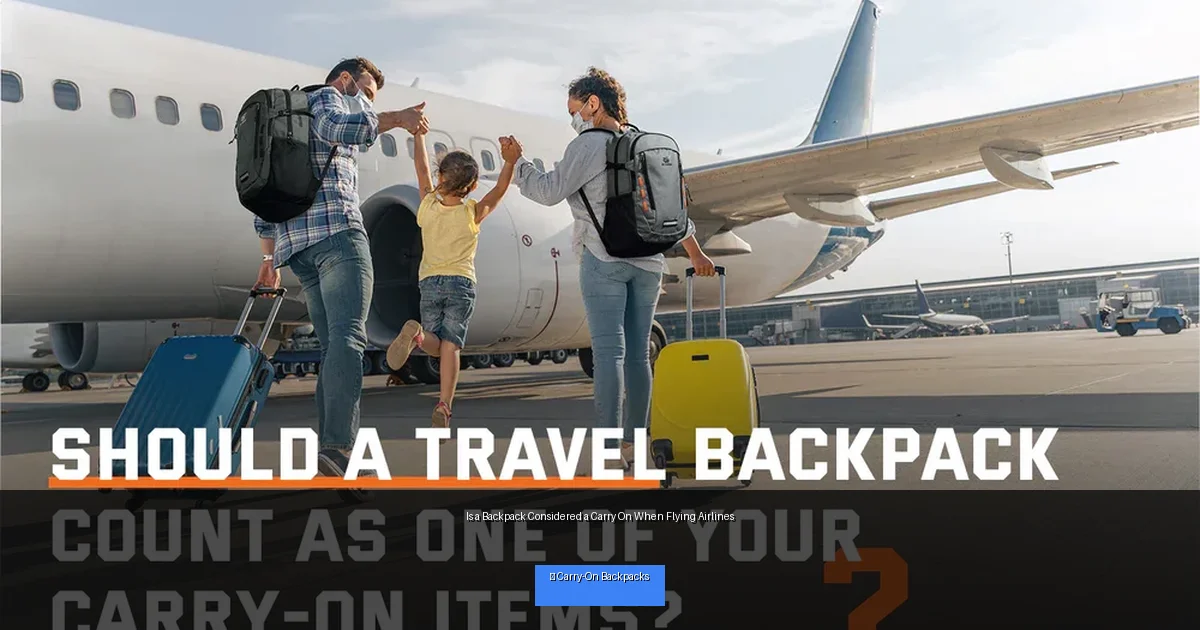
Visual guide about Is a Backpack Considered a Carry On When Flying Airlines
Image source: skysper.com
Airlines set specific rules about the size and weight of carry-on bags. These rules are in place so that bags can fit safely in overhead bins or under the seat in front of you.
Step 1: Check Airline Carry-On Size Restrictions
Every airline has its own size limits for carry-on luggage. This often varies but typically falls around:
- 22 x 14 x 9 inches (56 x 36 x 23 cm) for U.S. airlines
- 21 x 15 x 9 inches (53 x 38 x 23 cm) for some international airlines
Why this matters: Your backpack’s dimensions need to fit within these limits to be considered a carry-on. If it’s larger, the airline might require you to check it in.
How to Measure Your Backpack
- Height: Measure from the bottom to the top, including any top pockets or handles.
- Width: Measure from side to side at the widest point.
- Depth: Measure from front to back, including any protruding pockets.
Tip: Pack your backpack fully before measuring to get an accurate size.
Step 2: Recognize Weight Limits for Carry-Ons
Some airlines also have weight restrictions for carry-on bags. While many U.S. airlines don’t enforce strict carry-on weight limits, international or budget airlines often do.
- Typical weight limits range from 15 to 22 pounds (7 to 10 kg).
- Overweight carry-ons may be checked at the gate or incur fees.
Tip: Use a luggage scale to weigh your packed backpack before heading to the airport.
Step 3: Know the Difference Between a Carry-On and a Personal Item
Airlines usually allow two types of bags:
- Carry-On Bag: Larger bag that fits in overhead bin (often suitcase or large backpack).
- Personal Item: Smaller bag that fits under the seat (small backpack, purse, laptop bag).
A backpack may be considered either, depending on its size. For example, a slim daypack might count as a personal item, while a larger hiking backpack could be a carry-on.
Practical Example:
If your airline allows one carry-on and one personal item, you could bring a backpack as your personal item if it’s small enough to fit under the seat, plus a small carry-on suitcase.
Step 4: Choose the Right Backpack for Carry-On Use
Not all backpacks are ideal for carry-on luggage. When selecting a backpack for flying, consider these features:
- Size compliance: Confirm the dimensions meet your airline’s carry-on limits.
- Compartments: Look for padded laptop sleeves and organized pockets for easy access.
- Comfort: Padded shoulder straps and back support make carrying easier through airports.
- Durability: Water-resistant and sturdy materials protect your belongings.
Examples of popular carry-on backpacks include travel backpacks with expandable compartments and anti-theft features.
Step 5: Pack Your Backpack Effectively
Packing smart helps your backpack fit carry-on rules and makes your travel experience smoother.
Tips for Efficient Packing
- Use packing cubes: Organize clothes and gear into cubes to maximize space.
- Roll clothes: Rolling reduces wrinkles and saves space.
- Limit bulky items: Wear heavier clothes like jackets on the plane instead of packing them.
- Distribute weight evenly: Place heavier items close to your back for comfort.
- Keep essentials accessible: Use external pockets for passports, boarding passes, and electronics.
Troubleshooting: What If My Backpack Is Too Big?
If your backpack exceeds airline carry-on size limits, here’s what you can do:
- Remove non-essential items: Lighten the load and reduce bulk.
- Use compression bags: These reduce volume of clothes.
- Switch to a smaller backpack: Consider a dedicated carry-on backpack sized for airlines.
- Check the bag: If no alternatives, be prepared to check your backpack and check fees.
Additional Tips and Airline Variations
Remember that carry-on rules vary widely between airlines. Low-cost carriers like Spirit or Ryanair may charge fees for carry-ons or have stricter size rules. Always check your airline’s official website for the most current information.
Some airlines also allow flexible “personal items” which could be a backpack plus a small purse or briefcase. Understanding these distinctions helps you avoid last-minute hassles.
Conclusion
Is a backpack considered a carry on when flying? The answer is yes, as long as it meets your airline’s size and weight requirements. Knowing your airline’s specific rules and packing your backpack smartly ensures a hassle-free experience.
Choose the right backpack, measure it carefully, and pack efficiently. Whether you’re a weekend traveler or a frequent flyer, a well-packed backpack can be your perfect carry-on companion.