How to Turn Off GPS Tracking on iPhone Easily and Quickly
Turning off GPS tracking on your iPhone is simple and helps protect your privacy. This guide walks you through easy steps to disable location services, manage app permissions, and control system settings to stop your iPhone from sharing your location. Whether you want to save battery or keep your location private, follow these quick tips to turn off GPS tracking effectively.
Key Takeaways
- Understanding GPS Tracking: Learn how GPS tracking works on iPhones and why you might want to disable it.
- Disabling Location Services: Step-by-step instructions to turn off location services globally on your iPhone.
- Managing App Permissions: Control which apps can access your location for better privacy.
- Turning Off Significant Locations: Stop your iPhone from collecting location history in the background.
- Using Airplane Mode and Privacy Settings: Additional tips to limit GPS and location tracking.
- Troubleshooting Common Issues: Solutions if GPS tracking won’t turn off or apps still access location.
- Balancing Privacy and Functionality: Understand when it’s helpful to keep GPS on for apps like Maps and Weather.
How to Turn Off GPS Tracking on iPhone Easily and Quickly
Are you concerned about your iPhone tracking your location? You’re not alone. Many iPhone users want to control or turn off GPS tracking to protect their privacy or save battery life. In this guide, you will learn how to turn off GPS tracking on your iPhone step-by-step. We’ll cover everything from disabling location services entirely to managing app-specific location permissions. You’ll also find tips for troubleshooting common issues and advice on balancing privacy with the benefits of GPS-enabled apps.
What is GPS Tracking on iPhone?
GPS tracking uses satellites to pinpoint your device’s location. On your iPhone, this feature helps apps provide directions, find nearby places, or offer location-based services. However, constant GPS tracking can raise privacy concerns and drain your battery quickly. Turning off GPS tracking means your iPhone won’t share or use your location data unless you allow it.
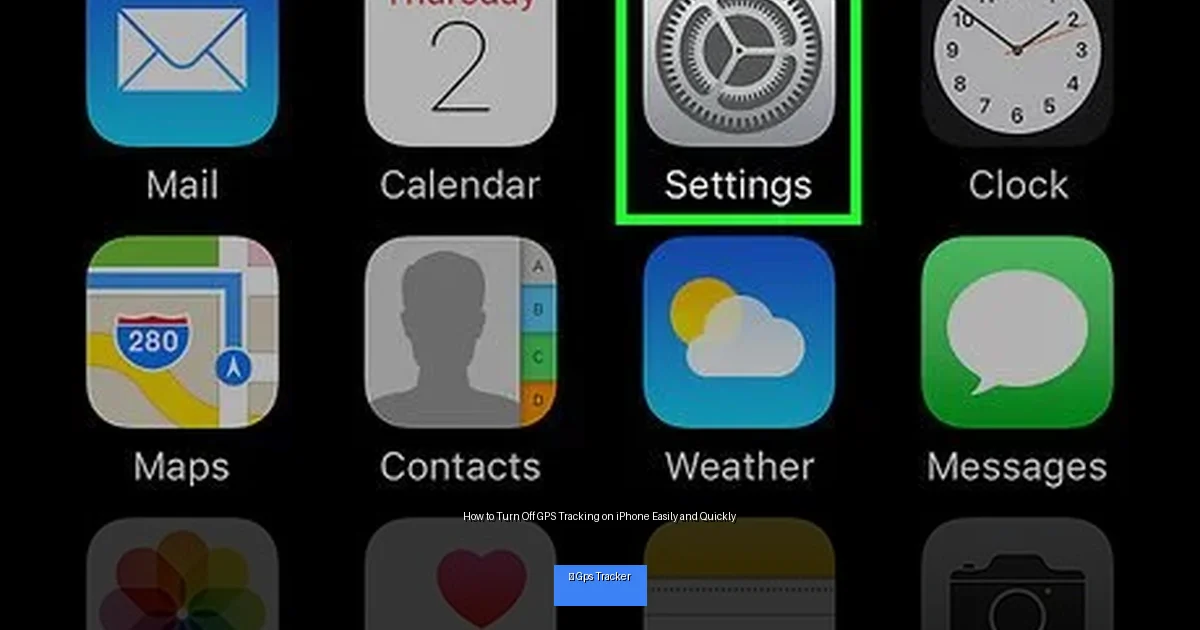
Visual guide about How to Turn Off GPS Tracking on iPhone Easily and Quickly
Image source: wikihow.com
Step 1: Turn Off Location Services Globally
Access the Location Services Settings
First, open your iPhone’s Settings app. Scroll down and tap Privacy & Security. Then, tap Location Services at the top.
Disable Location Services
Toggle the switch next to Location Services to the off position. You’ll see a warning that turning off location services will affect apps and system features that rely on location. Confirm by tapping Turn Off.
Note: This disables GPS tracking for all apps and system services on your iPhone.
Step 2: Manage Location Access for Individual Apps
Review App Permissions
If you prefer to keep GPS on but limit which apps can access your location, go back to the Location Services screen. Scroll down to see a list of apps that request location access.
Adjust Permissions
Tap any app to see its location access options. Choose from:
- Never: The app cannot access your location.
- Ask Next Time Or When I Share: The app will ask each time it needs location.
- While Using the App: The app can access location only when open.
- Always: The app can access location anytime, even in the background.
Choose the setting that matches your privacy preference for each app.
Step 3: Turn Off Significant Locations to Stop Location History Tracking
Find Significant Locations
On the same Location Services screen, scroll down and tap System Services at the bottom.
Disable Significant Locations
Scroll to find Significant Locations and tap it. You may need to authenticate with Face ID, Touch ID, or your passcode.
Toggle off Significant Locations to stop your iPhone from logging places you visit frequently.
Clear Location History
Tap Clear History to delete all stored location data.
Step 4: Use Airplane Mode to Cut Off All Location Tracking Temporarily
If you need to quickly stop GPS and other wireless signals, swipe down from the top-right corner of your screen (on iPhone X and later) or swipe up from the bottom (on older models) to open Control Center.
Tap the Airplane Mode icon. This disables cellular, Wi-Fi, Bluetooth, and GPS temporarily. This is a quick way to ensure no location data is shared, but it also stops all wireless communications.
Step 5: Additional Privacy Settings to Control Location
Disable Location-Based Apple Ads and Suggestions
Return to System Services and scroll down to toggle off these settings:
- Location-Based Apple Ads
- Location-Based Suggestions
- Share My Location (if you want to stop sharing location with family or friends)
These steps further reduce how much location data your iPhone uses or shares.
Troubleshooting: What to Do If GPS Tracking Won’t Turn Off
- App Continues to Access Location: Double-check app permissions and force quit the app, then restart your iPhone.
- Location Services Still On: Restart your iPhone after toggling Location Services off to ensure the setting takes effect.
- Find My iPhone Enabled: This feature requires location services. To disable GPS fully, you must turn off Find My iPhone in Settings > Apple ID > Find My.
- Check for Software Updates: Sometimes, bugs affect location settings. Make sure your iPhone runs the latest iOS version.
Practical Tips for Using GPS Responsibly
- Turn on GPS only when needed: For navigation or location-based apps, enable location services temporarily.
- Use “While Using the App” permission: This balances privacy and app functionality.
- Regularly review app permissions: Remove location access from apps you no longer use or trust.
- Be cautious with third-party apps: Some apps may misuse your location data.
Conclusion
Turning off GPS tracking on your iPhone is easy and gives you greater control over your privacy. Whether you want to disable location services completely or manage permissions app by app, the steps outlined here help you do it quickly and effectively. Remember, GPS can be helpful for many apps, so consider a balanced approach that protects your privacy without losing useful features. Follow these tips and enjoy a safer, more private iPhone experience.