How to Spot a GPS Tracker Easily and Protect Your Privacy Today
Spotting a GPS tracker is easier than you think. This guide helps you find hidden trackers on vehicles and personal belongings with simple steps and practical tips. Protect your privacy by learning what to look for and how to act if you find one.
Key Takeaways
- Understand GPS trackers: Know what GPS trackers are and how they work.
- Common hiding spots: Learn where trackers are often placed on vehicles and personal items.
- Visual inspection tips: Use simple methods to spot unusual devices or wires.
- Use detection tools: Employ apps and RF detectors to find hidden trackers.
- Protect your privacy: Take action immediately if you discover a tracker.
- Regular checks: Make it a habit to inspect your belongings regularly to stay safe.
- Understand legal aspects: Know your rights about GPS tracking and privacy laws.
How to Spot a GPS Tracker Easily and Protect Your Privacy Today
In today’s world, GPS trackers are common tools used for tracking vehicles, pets, and personal items. However, they can also be misused to invade your privacy. If you suspect someone might be tracking you without permission, it’s important to know how to spot a GPS tracker quickly and easily. This guide will walk you through everything you need to know, from understanding what GPS trackers look like to using simple tools and techniques for detection. By the end, you’ll feel confident protecting your privacy and taking action if needed.
What Is a GPS Tracker and How Does It Work?
A GPS tracker is a small device that uses the Global Positioning System (GPS) to determine its location. It sends this information to another device or server, allowing someone to track the location in real-time or view past movements. These devices vary in size but are often small enough to hide on a vehicle, bag, or other belongings. Understanding how they work helps you know what to look for.
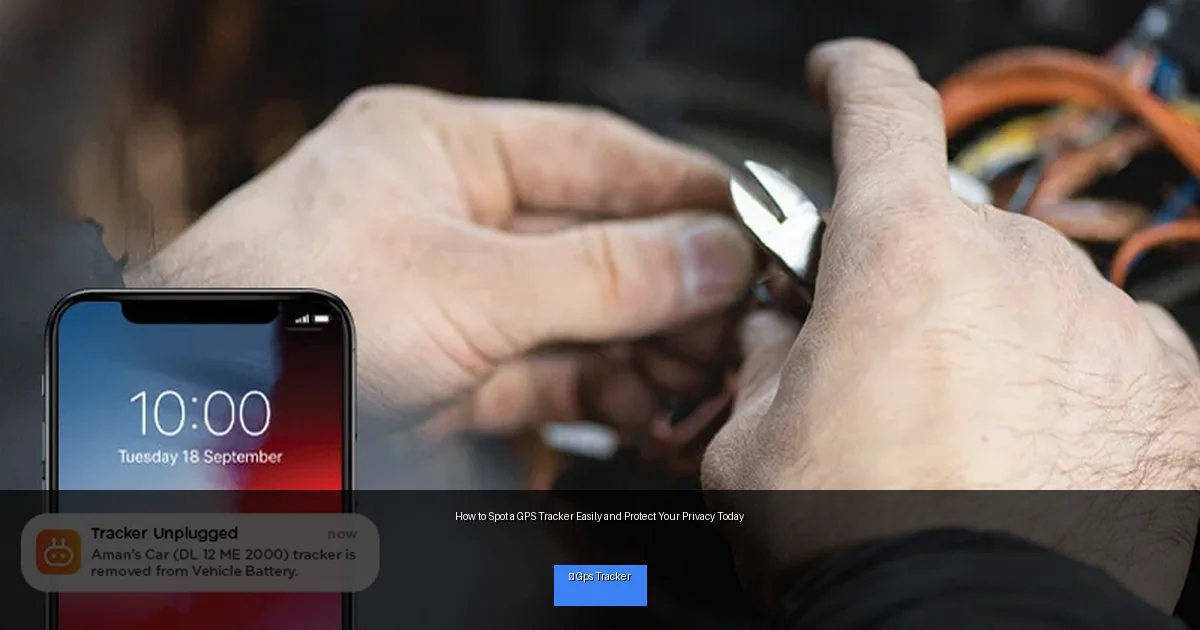
Visual guide about How to Spot a GPS Tracker Easily and Protect Your Privacy Today
Image source: dmnwhfs1e7dfi.cloudfront.net
Step 1: Understand Common Hiding Spots for GPS Trackers
GPS trackers are typically placed in spots that are out of sight but still allow the device to get a GPS signal. Knowing these common hiding places helps focus your search.
Vehicles
- Underneath the car, near the bumper or wheel wells
- Inside the wheel wells behind the tires
- Under the hood or inside the engine bay
- Within the glove compartment or under seats
- Inside or behind license plates
- In the trunk area or spare tire compartment
Personal Items
- Inside bags or backpacks
- Clipped to keychains or belt loops
- Hidden within clothing or shoes
- Inside electronic devices or chargers
Step 2: Perform a Thorough Visual Inspection
Start by visually inspecting your vehicle or belongings carefully. Here’s how:
Exterior Check
- Look under your car with a flashlight. Pay close attention to magnetic objects or unfamiliar devices.
- Check the license plate area for extra attachments or thick layers.
- Inspect wheel wells and bumpers for unusual shapes or wires.
Interior Check
- Open glove compartments, under seats, and door panels to look for small devices.
- Check inside the trunk, especially around the spare tire or hidden compartments.
- Look for any new or unfamiliar wires or boxes.
Personal Belongings
- Empty bags and backpacks, feeling for hard objects or devices.
- Check clothing and shoes if you suspect personal tracking.
Step 3: Use Technology to Detect Hidden GPS Trackers
Sometimes visual checks aren’t enough, so use these tools to help find hidden GPS trackers.
RF (Radio Frequency) Detectors
GPS trackers often communicate via radio signals. RF detectors scan for these signals and alert you if something is transmitting nearby.
- Purchase a handheld RF detector from a trusted brand.
- Turn off all your own wireless devices to avoid interference.
- Walk slowly around your vehicle or belongings, watching for spikes or alerts on the device.
Mobile Apps
Some apps can detect Bluetooth or other signals that trackers use.
- Use apps like “Find My Device” or Bluetooth scanner apps.
- Scan your surroundings for unknown devices.
GPS Tracker Detector Devices
There are specialized devices designed to detect GPS trackers specifically. These devices can be more expensive but are effective if you suspect serious tracking.
Step 4: Practical Tips for Spotting GPS Trackers
- Check regularly: Make it a habit to inspect your vehicle or belongings every few weeks.
- Be aware of changes: Notice if your car behaves differently, like battery drain or unusual sounds.
- Use magnets: Some GPS trackers attach magnetically. Run a strong magnet around your vehicle’s underside to feel for hidden devices.
- Ask for help: If unsure, consult a professional or mechanic to inspect your vehicle.
Troubleshooting Common Issues When Searching for GPS Trackers
False Positives from Other Electronics
RF detectors may pick up signals from your phone, key fobs, or car electronics. Turn off or isolate these devices during scanning to reduce false alarms.
Difficulty Finding Small or Well-Hidden Trackers
Some trackers are tiny and cleverly concealed. If you can’t find anything but still suspect tracking, consider professional help or more advanced detection devices.
Battery-Operated Trackers
Trackers with batteries can be hidden anywhere. Regular inspections are important because these devices need replacement or recharge, which may reveal their location.
Step 5: What to Do If You Find a GPS Tracker
If you discover a GPS tracker on your vehicle or belongings:
- Do not remove it immediately: Removing it could destroy evidence.
- Document it: Take pictures and note the location and time.
- Contact authorities: Report the device to local law enforcement.
- Seek legal advice: Understand your rights and next steps.
- Consider professional removal: Experts can safely remove trackers and inspect for more.
Protect Your Privacy Going Forward
Prevention is better than cure. Consider these steps to stay safe:
- Install alarms or GPS jammers legally where allowed.
- Use secure parking areas and avoid suspicious locations.
- Regularly check your vehicle and personal items.
- Be cautious about sharing your location on social media.
Conclusion
Spotting a GPS tracker doesn’t have to be complicated. With the right knowledge and tools, you can easily find hidden trackers and protect your privacy. Regular checks, visual inspections, and the use of detection devices are key to staying safe. Remember, your privacy is important, and taking proactive steps today can prevent unwanted tracking tomorrow.