How to Organize a Hiking Backpack for Travel for Easy Adventure Ready Packing
In this guide, you’ll discover how to organize a hiking backpack for travel efficiently, ensuring your gear is easy to access and well-packed. From choosing the right backpack to smart packing techniques, you’ll be adventure-ready in no time with minimal hassle and maximum comfort.
Key Takeaways
- Choose the right backpack: Select a hiking backpack with ample compartments and proper support for your trip length.
- Pack by weight and frequency: Place heavy items close to your back and pack often-used gear in accessible spots.
- Use packing cubes and stuff sacks: These help organize gear and compress items to save space.
- Layer your clothing strategically: Pack clothes based on weather and ease of access during the hike.
- Keep essentials handy: Store snacks, maps, and first aid in outer pockets for quick reach.
- Balance your load: Distribute weight evenly to maintain comfort and stability on the trail.
- Regularly review and adjust: Modify your packing system based on trip feedback to improve efficiency.
How to Organize a Hiking Backpack for Travel for Easy Adventure Ready Packing
Heading out on a hiking trip? Knowing how to organize a hiking backpack for travel makes all the difference. Proper packing means less stress, easier access to your gear, and a comfortable carry. In this guide, you’ll learn step-by-step how to sort, pack, and arrange your backpack so you can focus on enjoying your adventure.
Step 1: Choose the Right Hiking Backpack
Your journey starts with the right backpack. Pick one that fits your body size and the trip duration. Backpacks come in various volumes—day packs (20-35 liters), weekend packs (40-60 liters), and multi-day packs (60+ liters). Consider features like padded straps, hip belts, and multiple compartments.
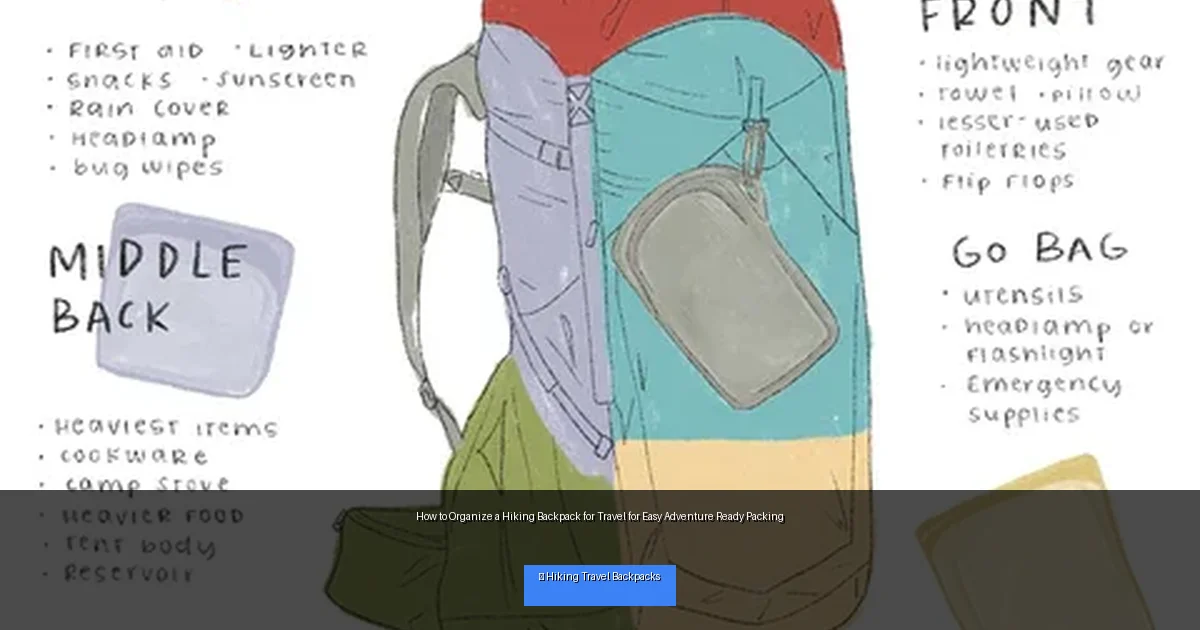
Visual guide about How to Organize a Hiking Backpack for Travel for Easy Adventure Ready Packing
Image source: i.pinimg.com
Consider Compartments and Access Points
Look for backpacks with front pockets, side mesh pockets, and top lids. These allow you to organize gear by category and access important items quickly without unpacking everything.
Fit and Comfort Matter
Try the backpack with some weight before buying. Adjust straps to ensure it sits snugly on your hips, not just your shoulders. This improves balance and reduces fatigue on long hikes.
Step 2: Gather and Categorize Your Gear
Before you pack, lay out everything you plan to take. Categorize your items into groups like clothing, food, shelter, cooking gear, and personal items. This helps you see what you have and avoid overpacking.
Use a Checklist
Create or use a checklist for your trip type. This keeps you organized and ensures you don’t forget anything important.
Prioritize Essentials
Identify must-haves like a first aid kit, water filtration, and weather-appropriate clothing. These get priority in packing and easy access.
Step 3: Pack Heavy Items Correctly
The way you position heavy items affects your balance and comfort. Place heavy gear like food, water, and cooking equipment close to your spine, centered between your shoulders and hips.
Why Close to Your Back?
Keeping weight near your center of gravity reduces strain. It helps maintain your posture and prevents back pain.
Avoid Overpacking Heavy Items
Only bring necessary heavy items. Consider lightweight alternatives to reduce overall weight.
Step 4: Use Packing Cubes and Stuff Sacks
Organizing smaller items is easier with packing cubes and stuff sacks. These compress your belongings and keep them sorted.
Benefits of Packing Cubes
- Separate clothes by type or day
- Prevent items from shifting inside the pack
- Speed up packing and unpacking
Choose Appropriate Sizes
Use small sacks for socks and underwear, medium for shirts, and large for bulky items like jackets or sleeping bags.
Step 5: Pack Clothing Strategically
Layering is key in hiking. Pack clothes by layering system—base, insulating, and outer layers—so you can adjust to changing weather.
Roll Clothes to Save Space
Rolling instead of folding reduces wrinkles and maximizes space inside your backpack.
Keep Weather Gear Accessible
Rain jackets or extra layers should be near the top or in an outer pocket for quick grab during sudden weather changes.
Step 6: Organize Essentials for Easy Access
Some items you’ll want within reach without unpacking everything. These include snacks, maps, headlamps, sunscreen, and first aid.
Use Outer Pockets Wisely
Store frequently used gear in side mesh pockets or front compartments. This keeps you prepared without stopping to dig through your pack.
Hydration Setup
If your backpack supports a hydration bladder, position it properly and ensure the tube is accessible. Otherwise, keep water bottles in side pockets for easy reach.
Step 7: Balance and Secure Your Load
Distribute weight evenly between left and right sides. Use compression straps to tighten the load, preventing gear from shifting as you hike.
Check Your Pack Before the Trail
Put on your backpack and walk around. Adjust straps and reposition items if the pack feels unbalanced or uncomfortable.
Step 8: Troubleshooting Common Packing Issues
Pack Feels Uncomfortable or Heavy
- Rearrange heavy items closer to your back and hips.
- Remove unnecessary items to lighten the load.
- Adjust shoulder and hip straps for better fit.
Items Getting Lost Inside the Pack
- Use packing cubes or clear bags to group small items.
- Label compartments or sacks if needed.
Limited Space in Backpack
- Prioritize multi-use gear to save space.
- Consider downsizing bulky items or leaving non-essentials behind.
Conclusion
Mastering how to organize a hiking backpack for travel makes your outdoor adventures smoother and more enjoyable. With the right backpack, smart packing strategies, and thoughtful organization, you’ll carry your essentials comfortably and access them easily. Practice these steps, adjust based on your experience, and get ready to hit the trail confident and prepared!
🎥 Related Video: How to Pack Your Backpack the Right Way | Outside
📺 Outside
Outside editorial fellow Taylor Gee gives us the breakdown of how he packed his backpack for his thru-hike of the Pacific Crest …