How to Get Rid of GPS Tracker on Car Easily and Effectively
Worried about someone tracking your car? This guide shows you how to get rid of a GPS tracker on your car quickly and safely. You’ll learn how to find, disable, and remove trackers, plus useful tips to keep your vehicle private.
Key Takeaways
- Identify the GPS tracker: Learn common locations where trackers are hidden on vehicles.
- Use detection tools: Utilize GPS detector devices or apps to locate hidden trackers.
- Disable the tracker safely: Understand how to cut power or remove tracker batteries without damaging your car.
- Inspect your vehicle regularly: Prevent future tracking by checking your car for new devices often.
- Consider professional help: When in doubt, hire experts for thorough inspections and removal.
- Protect your privacy: Take additional steps like signal jammers or privacy screens where legal.
- Know the legal aspects: Understand your rights regarding GPS tracking and removal.
How to Get Rid of GPS Tracker on Car Easily and Effectively
If you suspect that someone has placed a GPS tracker on your car without your permission, you’re not alone. Many people find it unsettling to have their movements tracked secretly. The good news is that getting rid of a GPS tracker on your car is simpler than you might think. In this guide, I’ll walk you through how to find a hidden GPS tracker, disable it safely, and remove it to protect your privacy.
Step 1: Understand What a GPS Tracker Is
Before searching, it’s important to know what you’re looking for. A GPS tracker is a small device that uses satellite signals to pinpoint the location of your vehicle. These devices are often battery-powered or connected to your car’s electrical system. They can be as small as a matchbox and are designed to be discreet.
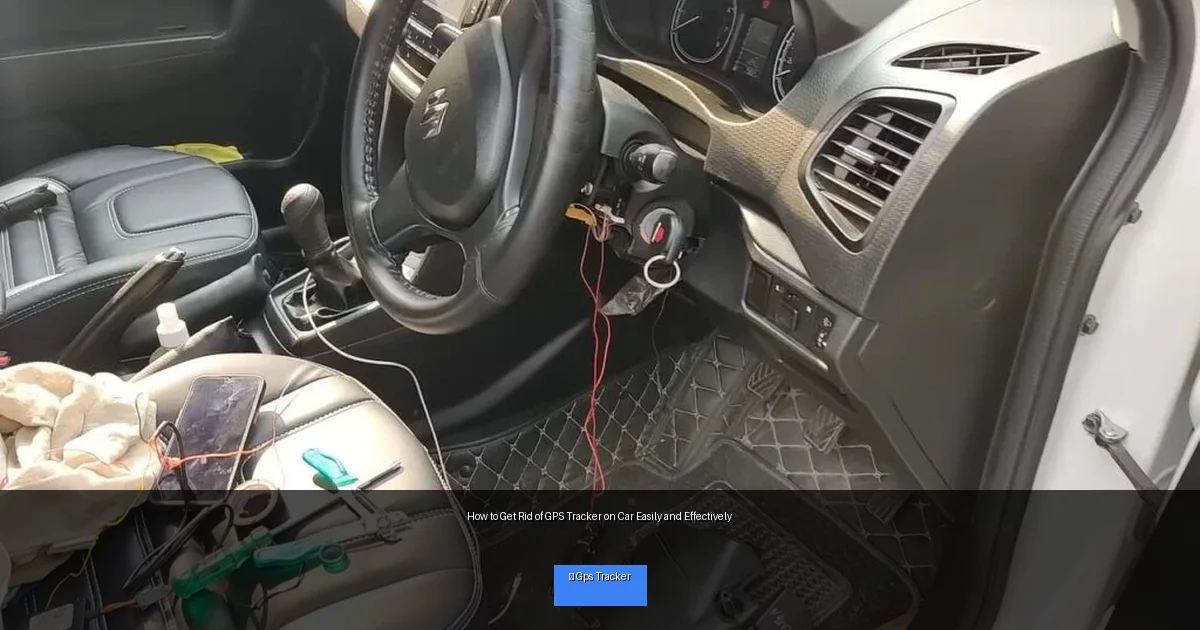
Visual guide about How to Get Rid of GPS Tracker on Car Easily and Effectively
Image source: autoexpro.com
Step 2: Common Places to Find GPS Trackers on Cars
Trackers are usually hidden in places that are hard to see but easy to attach. Here are some common spots:
- Underneath the car, near the wheel wells or chassis
- Inside the wheel rims or behind hubcaps
- Under the bumper or fender
- Inside the engine bay or near the firewall
- Underneath seats or inside the glove box
- In the trunk, behind panels or under the carpet
- Inside the OBD-II port (the diagnostic port under your dashboard)
Step 3: How to Detect a GPS Tracker
Visual Inspection
Start with a careful visual check around the spots mentioned above. Use a flashlight and a mirror to see hidden areas. Look for anything unusual like wires, magnets, or small black boxes that don’t belong.
Use a GPS Tracker Detector
Electronic GPS detectors are devices designed to detect signals emitted by GPS trackers. These detectors pick up radio frequencies that trackers use to send location data. You can buy or rent such detectors online or at specialty electronics stores.
Scan the OBD-II Port
The OBD-II port is a common place for trackers because it provides power easily. Check for any unfamiliar device plugged in there. If you find one, unplug it carefully.
Use Your Smartphone
Some apps can help detect nearby radio signals or Bluetooth devices. While they may not be as accurate as dedicated detectors, they can give you clues if a tracker is nearby.
Step 4: How to Disable and Remove a GPS Tracker
Disconnect Power Source
If the tracker is connected to the car’s battery or wiring, disconnecting power will disable it. Be cautious when handling car wiring—if unsure, seek professional help. For battery-powered trackers, removing the batteries will stop the device.
Remove the Device
Once located and disabled, remove the tracker carefully. Use tools if needed to detach magnets or screws. Keep the device as evidence if you plan to report the issue.
Check for Multiple Devices
Sometimes, trackers come in pairs or groups. After removing one, continue checking your vehicle thoroughly to ensure no others are hidden.
Step 5: Prevent Future Tracking
Regular Vehicle Inspections
Make it a habit to inspect your car regularly for unfamiliar devices. This simple routine can protect your privacy over time.
Use Signal Jammers Cautiously
Signal jammers can block GPS signals but are illegal in many places. Always check local laws before using such devices.
Consider Professional Vehicle Privacy Services
Some companies specialize in privacy protection and can help with advanced detection and removal services.
Step 6: Understand the Legal Side
In many regions, tracking someone without their consent is illegal. Removing a GPS tracker placed without your permission is generally within your rights. However, if the tracker is part of a legal investigation or lease agreement, tampering with it could have consequences. Always know your local laws.
Troubleshooting Tips
- Can’t find the tracker? Try a professional scan, as some trackers are very well hidden.
- Detected signals but can’t locate device? Move slowly around the car with a detector to pinpoint the strongest signal.
- Tracker keeps reappearing? Someone might be reinstalling it. Consider security cameras or parking in secure areas.
- Worried about damaging your car? Consult a mechanic or professional privacy service for safe removal.
Conclusion
Getting rid of a GPS tracker on your car is doable with a bit of patience and the right approach. By learning where trackers hide, using detection tools, and carefully disabling and removing them, you can reclaim your privacy and peace of mind. Remember to stay vigilant and take preventive steps to avoid future tracking. If you feel overwhelmed, don’t hesitate to seek professional help. Your safety and privacy on the road are worth it!