How to Carry Skis on Backpack Safely and Comfortably Every Time
Carrying skis on a backpack can be tricky, but with the right techniques, you can do it safely and comfortably. This guide covers everything you need to know to strap your skis securely, maintain balance, and protect your gear during your outdoor adventures.
Key Takeaways
- Choose the right backpack: Select a backpack designed for ski carrying with proper straps and attachments.
- Position skis correctly: Align skis either diagonally or vertically depending on your backpack’s design.
- Secure straps tightly: Use all available straps and tighten them to prevent movement.
- Balance weight evenly: Place skis in a way that distributes weight comfortably for your back.
- Protect your skis and surroundings: Use padding or ski sleeves to avoid damage and keep yourself safe.
- Test your setup: Walk around with your loaded backpack to ensure stability before hitting the trail.
- Adjust as needed: Make minor adjustments during your hike to maintain comfort and security.
How to Carry Skis on Backpack Safely and Comfortably Every Time
If you’re an avid skier or someone who enjoys backcountry adventures, carrying your skis on a backpack is a valuable skill. This guide will teach you how to carry skis on a backpack safely and comfortably, ensuring your gear stays secure and you remain balanced throughout your journey.
Step 1: Choose the Right Backpack for Ski Carrying
Not all backpacks are created equal when it comes to carrying skis. Look for backpacks with dedicated ski carry systems. These usually include:
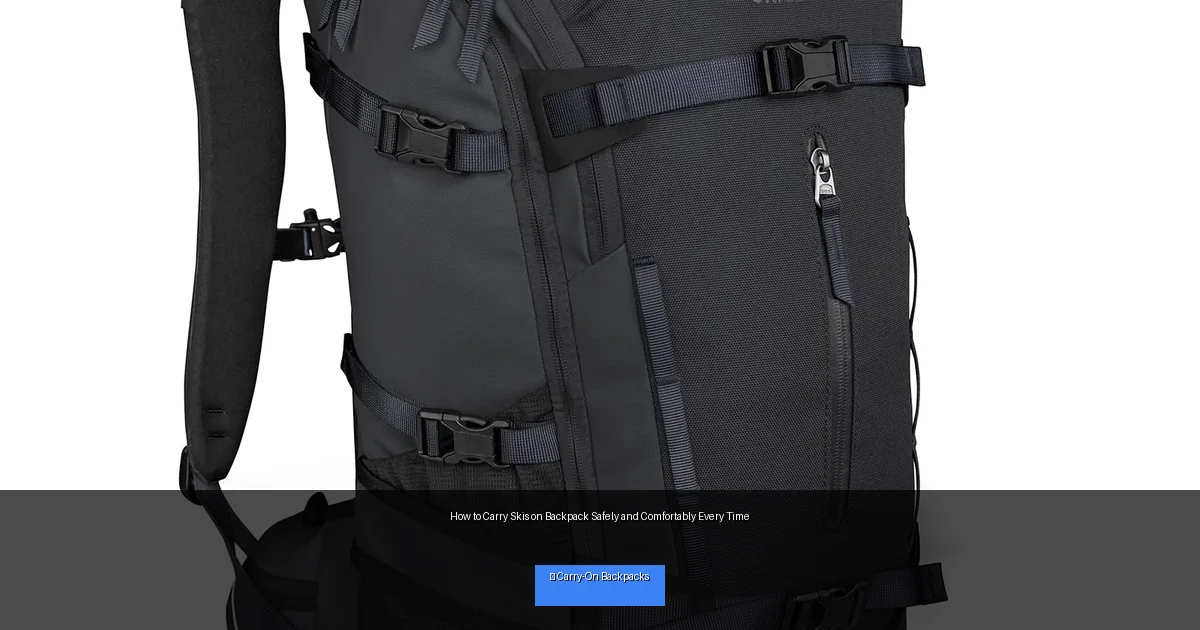
Visual guide about How to Carry Skis on Backpack Safely and Comfortably Every Time
Image source: m.media-amazon.com
- Adjustable straps specifically designed to hold skis
- Attachment points such as daisy chains or gear loops
- Padding to protect skis and your back
- Compression straps to stabilize the load
Example: Many ski backpacks feature diagonal or vertical ski carry options. Choose one that suits your skiing style and the terrain you’ll encounter.
Step 2: Prepare Your Skis
Before attaching skis to your backpack, prepare them to prevent damage and enhance comfort.
Use Ski Sleeves or Padding
Wrap your skis in padded ski sleeves or use foam padding around the edges to protect the skis and prevent sharp edges from digging into your back or shoulders.
Clean Skis
Remove snow, ice, or dirt to avoid slipping when securing them and to keep your backpack clean.
Step 3: Position Your Skis Properly
Positioning your skis correctly is crucial for comfort and balance.
Diagonal Carry
This method places your skis diagonally across your back, with the tips over one shoulder and the tails near the opposite hip. It’s ideal for narrow trails and tight spaces.
Vertical Carry
Here, skis are placed straight up and down along your back, parallel to your spine. This is great for open terrain and provides better balance for heavier loads.
Choosing the Method
Check your backpack’s instructions or try both methods to see which feels more comfortable and secure.
Step 4: Secure Your Skis with Straps
Use the backpack’s straps to fasten your skis firmly.
Attach the Bottom Straps First
Loop the lower straps around the tails of the skis. Tighten them to prevent movement.
Fasten the Middle or Upper Straps
Secure the middle or upper straps around the ski bodies. These hold the skis closer to your back and help balance the load.
Use Additional Straps if Necessary
If your backpack has side compression straps or extra loops, use them to further stabilize your skis.
Step 5: Balance the Load for Comfort
Carrying skis unevenly can cause discomfort and strain.
Center the Skis
Make sure the skis are centered over your back, not leaning heavily to one side.
Check Weight Distribution
Adjust straps so the weight sits close to your body’s center of gravity, usually around the middle of your back.
Try on the Pack
Put on the backpack and walk around. If you feel off-balance or strain, adjust the skis or straps.
Step 6: Protect Yourself and Others
Carrying skis can pose risks if not done carefully.
Cover Sharp Edges
Use padding or ski sleeves to cover bindings and edges, preventing injuries.
Be Aware of Your Surroundings
When moving through crowded areas, keep your skis close to avoid hitting others.
Step 7: Test and Adjust During Use
Once you start hiking or moving, check your setup periodically.
Listen to Your Body
If you feel discomfort, stop and adjust straps or reposition skis.
Check for Looseness
Straps can loosen during movement. Tighten them as needed.
Troubleshooting Common Issues
Skis Shift or Move
If your skis slide around, tighten all straps and use additional loops or bungee cords if available. Adding padding can help fill gaps and reduce movement.
Backpack Feels Unbalanced
Reposition skis to be centered. Ensure weight is evenly distributed and straps are snug but not overly tight.
Straps Are Difficult to Tighten
Check for twists in straps and ensure buckles are functioning properly. Practice securing your skis at home to improve ease.
Conclusion
Carrying skis on a backpack safely and comfortably takes a bit of practice, but mastering the technique will enhance your outdoor adventures. By choosing the right backpack, preparing your skis, positioning them correctly, and securing them tightly, you’ll enjoy balanced, pain-free transport every time. Always check your load before heading out and adjust as necessary during your journey. With these tips, your skis will be safe, and you’ll stay comfortable on the trail!