Are Backpacks Good for Carry On Travel Tips and Benefits Explained
Backpacks are excellent choices for carry on travel due to their versatility, comfort, and convenience. This guide explains why backpacks work well as carry on luggage and shares useful tips to help you pack smart and travel light.
Key Takeaways
- Backpacks offer hands-free convenience: They allow easy movement through airports and public transport.
- They fit most airline carry on size limits: Many backpacks are designed to comply with standard carry on rules.
- Organizational features improve packing: Multiple compartments help keep belongings neat and accessible.
- Comfort is crucial: Padded straps and ergonomic design reduce strain on your back during travel.
- Durability matters: High-quality materials protect your items and withstand wear and tear.
- Security features add peace of mind: Lockable zippers and hidden pockets help safeguard your valuables.
- Packing efficiently maximizes space: Rolling clothes and using packing cubes can help fit more in your backpack.
Are Backpacks Good for Carry On Travel Tips and Benefits Explained
When planning a trip, choosing the right carry on bag can make a big difference. Many travelers wonder, are backpacks good for carry on? The short answer is yes! Backpacks offer unique advantages that traditional carry on suitcases don’t. In this guide, you’ll learn why backpacks work well as carry on luggage, how to pick the best one, and smart packing tips to make your travel easier.
Why Choose a Backpack for Carry On Travel?
Backpacks are popular among travelers for many reasons. First, they allow you to keep your hands free, which is great when juggling airport security, boarding, or public transit. Unlike rolling suitcases, backpacks are easier to carry through crowded areas and uneven surfaces.
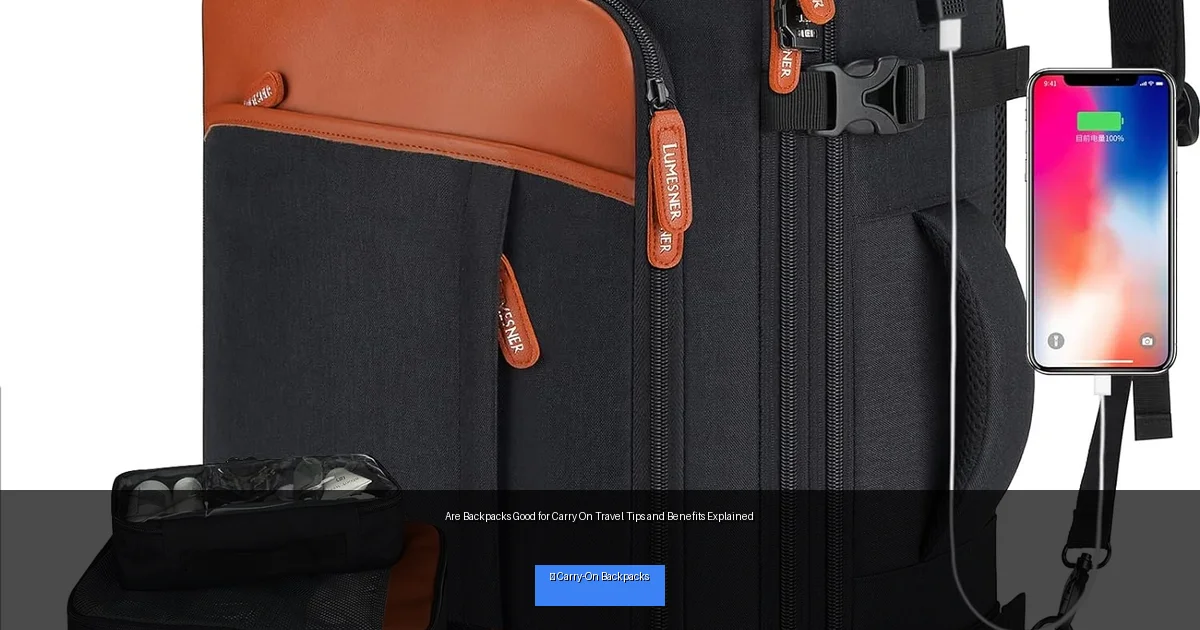
Visual guide about Are Backpacks Good for Carry On Travel Tips and Benefits Explained
Image source: techdgadgets.com
Also, backpacks come in sizes that often meet airline carry on requirements. Many models are designed specifically to fit in overhead bins or under seats. Their flexible shape can sometimes fit into tight spaces better than hard-shell luggage.
Finally, backpacks typically have multiple compartments and organizational features that help keep your belongings neat. This can speed up airport security checks and reduce stress.
Step 1: Choose the Right Carry On Backpack
Consider Size and Airline Regulations
Before you buy a backpack, check your airline’s carry on size restrictions. Most airlines allow carry on bags up to about 22 x 14 x 9 inches (56 x 36 x 23 cm), but some are stricter. Choose a backpack that fits within these limits to avoid extra fees or having to check your bag unexpectedly.
Look for Comfort Features
Since you’ll be carrying your backpack for long periods, comfort is key. Look for padded shoulder straps, a padded back panel, and adjustable straps to distribute weight evenly. Some backpacks also come with waist or chest straps to help reduce strain.
Pick Durable and Lightweight Materials
Travel can be tough on bags. Choose backpacks made from durable fabrics like nylon or polyester with water-resistant coatings. Lightweight materials help keep the overall bag weight down, which is important if you plan to pack a lot.
Check Organizational Options
Compartments, pockets, and dividers make packing and finding items easier. Look for backpacks with dedicated laptop sleeves, quick-access pockets for travel documents, and separate sections for shoes or dirty clothes.
Step 2: Pack Your Backpack Efficiently
Use Packing Cubes or Compression Bags
Packing cubes help you organize clothes and accessories while saving space. Compression bags can further reduce bulk by squeezing out air from bulky items like jackets.
Roll Clothes Instead of Folding
Rolling clothes tightly can save space and reduce wrinkles. Place rolled clothes in packing cubes or directly in the backpack compartments for easy access.
Place Heavy Items Close to Your Back
To maintain balance and reduce fatigue, pack heavier items like laptops or books close to your back. Lighter items can go toward the outer edges.
Keep Essentials Accessible
Use outer pockets or quick-access compartments for items you need during the flight, such as passports, headphones, snacks, or a water bottle.
Step 3: Use Your Backpack Smartly During Travel
Wear It Properly
Adjust the shoulder straps and use waist or chest straps if available. This helps distribute weight and reduces back pain during long walks or waits.
Follow Security Procedures
At airport security, some backpacks require you to remove electronics and liquids. Organize your bag to make these items easy to remove and replace.
Be Mindful of Overpacking
Even if your backpack fits the size limits, airlines have weight restrictions. Avoid overpacking to prevent extra fees or difficulty carrying your bag.
Troubleshooting Common Backpack Carry On Issues
Backpack Feels Heavy or Uncomfortable
If your backpack feels too heavy, try removing non-essential items or repacking to distribute weight better. Consider switching to a backpack with better padding or ergonomic design for future trips.
Backpack Doesn’t Fit in Overhead Bin
Double-check your backpack’s dimensions before flying. If it’s too large, you may need to gate-check it or use a smaller bag next time.
Items Get Disorganized Quickly
Use packing cubes and keep similar items together to stay organized. Labeling compartments or using color-coded packing cubes can help.
Conclusion
Backpacks are great carry on options for travelers who value flexibility, comfort, and organization. Choosing the right backpack and packing it smartly can make your journey smoother and more enjoyable. By following the tips in this guide, you’ll be ready to travel light and hassle-free on your next trip.