Are Backpacks Good for Carry On Travel Tips and Benefits Explained
Backpacks are an excellent choice for carry on travel due to their comfort, versatility, and convenience. This guide explores the benefits of using backpacks as carry on luggage and provides practical tips to help you pack smart and travel hassle-free.
Key Takeaways
- Comfortable and Hands-Free: Backpacks allow easy movement and keep your hands free during travel.
- Fits Most Carry-On Requirements: Many backpacks meet airline size restrictions for carry-on luggage.
- Organized Packing: Multiple compartments help keep belongings neatly organized and accessible.
- Versatile for Different Trips: Backpacks work well for business, leisure, and adventure travel.
- Security Features: Many carry-on backpacks include anti-theft designs for safer travel.
- Easy to Stow: Backpacks fit well in overhead bins and under seats on planes.
- Durability and Comfort Matter: Choosing the right backpack enhances your travel experience.
Are Backpacks Good for Carry On Travel? Tips and Benefits Explained
When it comes to packing light and traveling smart, backpacks have become a popular choice for carry-on luggage. But are backpacks really good for carry on travel? In this guide, you’ll learn why backpacks are often the best option, how to choose the right one, and how to pack efficiently for your next flight.
Why Choose a Backpack for Carry On Travel?
Backpacks offer unique advantages compared to traditional carry-on suitcases. They are comfortable, practical, and versatile. Unlike rolling luggage, backpacks keep your hands free, making navigating airports, boarding planes, and sightseeing easier. Their compact size and multiple compartments make organization simple, and many meet airline size restrictions effortlessly.
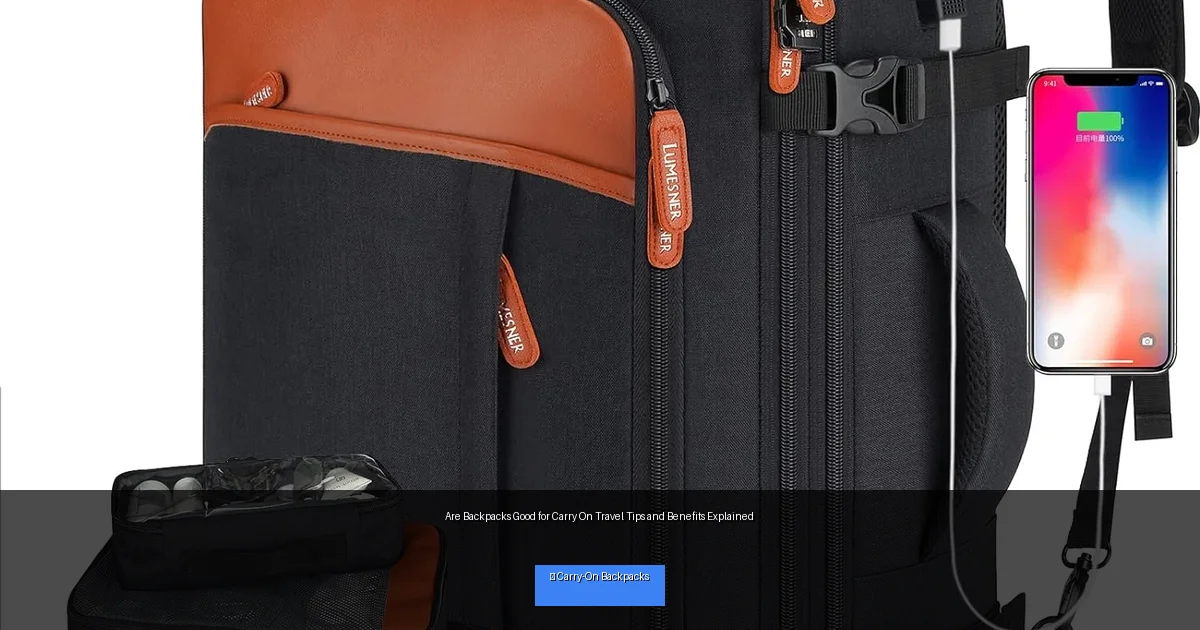
Visual guide about Are Backpacks Good for Carry On Travel Tips and Benefits Explained
Image source: techdgadgets.com
Step 1: Understanding Airline Carry-On Size Requirements
Check Your Airline’s Rules
Before choosing a backpack, review your airline’s carry-on size limits. Most airlines allow carry-ons around 22 x 14 x 9 inches (56 x 36 x 23 cm), but this can vary. Make sure your backpack fits within these dimensions to avoid gate check fees or delays.
Consider Weight Limits
Some airlines also have weight restrictions for carry-ons. While backpacks are generally lightweight, be mindful of what you pack to stay under limits.
Step 2: Selecting the Right Carry-On Backpack
Look for Size and Capacity
Choose a backpack designed specifically for carry-on use. Typically, these backpacks have a capacity between 20 to 40 liters, offering enough space for essentials without being bulky.
Prioritize Comfort Features
- Padded shoulder straps: Help distribute weight evenly.
- Adjustable chest and waist straps: Add stability and reduce back strain.
- Breathable back panels: Improve airflow and comfort on long walks.
Consider Organization and Accessibility
Pick a backpack with multiple compartments and pockets. A dedicated laptop sleeve, quick-access front pockets, and secure main compartments help keep your items organized and easy to reach.
Look for Durable, Water-Resistant Materials
Travel can be unpredictable, so a backpack made from durable nylon or polyester with water-resistant coating protects your belongings.
Security Features
Some backpacks include anti-theft features like lockable zippers, hidden pockets, and RFID-blocking compartments. These add peace of mind, especially in crowded airports.
Step 3: How to Pack a Carry-On Backpack Efficiently
Plan Your Essentials
Think about what you really need. Essentials might include clothes, electronics, travel documents, toiletries, and snacks. Packing light helps avoid overloading your backpack.
Use Packing Cubes or Compression Bags
These tools maximize space and keep items organized. Compression bags reduce bulk, while packing cubes separate clothing and gear.
Roll Clothes Instead of Folding
Rolling clothes saves space and reduces wrinkles. Place heavier items at the bottom and lighter ones on top.
Keep Important Items Accessible
Use front or side pockets for passports, boarding passes, and electronics. This speeds up security checks and boarding.
Mind Liquids and Electronics Rules
Follow TSA guidelines for liquids in carry-ons (3.4 ounces or less in a quart-size bag). Store laptops and tablets in easy-to-remove compartments.
Step 4: Traveling with Your Backpack
Wear It Smartly
When walking through busy airports, wear your backpack with both straps to distribute weight evenly. Use chest or waist straps for additional support.
Stowing on the Plane
Backpacks fit well in overhead bins or under the seat in front of you. Place your backpack securely to avoid it shifting during the flight.
Handling Security Checks
Be prepared to remove electronics and liquids easily. Choose backpacks with TSA-friendly compartments to speed up security screening.
Troubleshooting Common Issues
Backpack Too Heavy or Bulky?
If your backpack feels too heavy, reassess what you packed. Remove non-essential items or switch to lighter alternatives. Try using compression bags to reduce bulk.
Discomfort or Back Pain?
Adjust the shoulder, chest, and waist straps for better fit. If discomfort persists, consider a backpack with more padding or ergonomic design.
Items Getting Damaged or Lost?
Use packing cubes to organize and protect fragile items. Invest in backpacks with secure zippers and hidden pockets to keep valuables safe.
Conclusion
Backpacks are indeed good for carry on travel. They combine convenience, comfort, and practicality in one compact package. By selecting the right backpack, packing strategically, and following airline regulations, you can enjoy a smooth travel experience. Whether you’re a frequent flyer or an occasional traveler, a carry-on backpack is a smart investment that makes your trips easier and more enjoyable.