How to Remove a GPS Tracker from Your Car Easily and Safely
Removing a GPS tracker from your car can be simple when you know what to look for and how to act. This guide provides easy, safe steps to find and remove any unwanted tracking device, helping you protect your privacy and take control of your vehicle.
Key Takeaways
- Understanding GPS trackers: Know what a GPS tracker looks like and how it works to identify it in your car.
- Systematic search: Inspect common hiding spots like under the car, inside wheel wells, and beneath dashboard panels.
- Use of tools: Employ basic tools and apps to help detect electronic signals or magnetic devices.
- Safety precautions: Disconnect the vehicle battery before removing devices to avoid electrical damage.
- Legal considerations: Be aware of laws regarding GPS tracker removal based on ownership and consent.
- Troubleshooting tips: What to do if you can’t find the tracker or suspect it’s hidden deeply.
- When to seek professional help: Knowing when it’s best to consult an expert for safe removal.
How to Remove a GPS Tracker from Your Car Easily and Safely
If you suspect that your car has a GPS tracker installed without your permission, it’s important to know how to remove it quickly and safely. This guide will walk you through the process step-by-step. From identifying the tracker to safely removing it, you’ll learn practical tips and important safety measures. Let’s get started on protecting your privacy and taking back control of your vehicle.
Step 1: Understand What a GPS Tracker Looks Like
Before you begin searching, it helps to know what you’re looking for. GPS trackers are usually small devices about the size of a matchbox or a pack of gum. They often have a magnetic backing or adhesive tape for easy attachment.
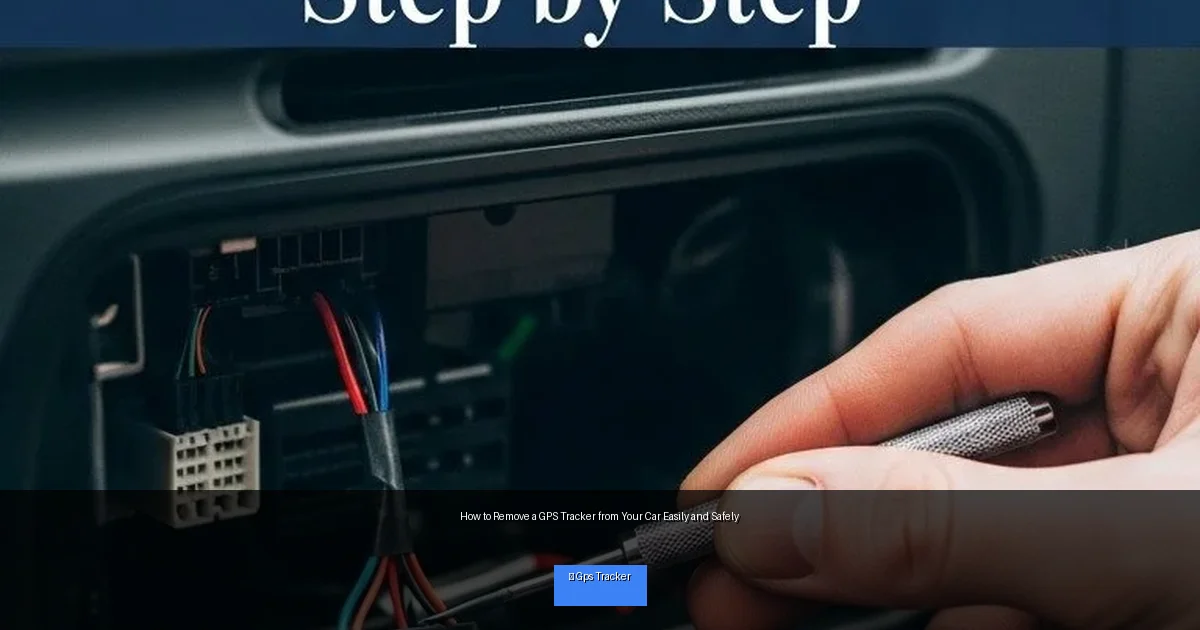
Visual guide about How to Remove a GPS Tracker from Your Car Easily and Safely
Image source: carxplorer.com
Common Features of GPS Trackers
- Small, rectangular or square shape
- Magnetic base or strong adhesive
- May have wires connected to the car’s electrical system
- Sometimes equipped with an antenna or SIM card slot
Knowing these features will help you spot trackers hidden in tricky places.
Step 2: Inspect Common Hiding Places
Trackers are usually hidden in places where they won’t be easily found but still get a good GPS signal. Here are the most common spots to check:
Underneath the Car
- Look around the frame, near the wheel wells, and under the bumper.
- Use a flashlight to inspect dark areas.
- Trackers often attach magnetically to metal parts here.
Inside Wheel Wells
- Check inside the plastic lining of wheel wells.
- Feel around for any unusual lumps or devices.
Under the Dashboard
- Remove panels under the steering column.
- Look for any devices attached with wires or tape.
In the Glove Box or Console
- Sometimes trackers are hidden inside compartments for easy access.
Step 3: Use Tools to Detect the Tracker
If you can’t find the device by sight, tools can help.
Use a GPS Signal Detector or RF Scanner
- These devices can pick up the tracker’s radio frequency signals.
- Slowly move the detector around your car to locate strong signals.
Use a Magnet Detector
- If the tracker is magnetically attached, a magnet detector can help you find it.
Smartphone Apps
- Some apps can scan for Bluetooth or cellular signals that trackers might use.
Step 4: Disconnect Your Car Battery
Before removing the tracker, it is safest to disconnect your car’s battery. This prevents any electrical shorts or damage during removal.
How to Disconnect Your Battery
- Locate the battery under the hood.
- Use a wrench to loosen the negative terminal clamp.
- Remove the negative cable carefully and keep it away from the battery.
Remember to follow your car manufacturer’s instructions if available.
Step 5: Remove the GPS Tracker
Once you find the device, removal is usually straightforward.
Magnetic Devices
- Simply pull the tracker off if it’s magnetically attached.
Wired Devices
- Carefully disconnect any wires connected to the vehicle.
- Use wire cutters if necessary, but be cautious not to damage your car’s wiring.
Adhesive Devices
- Use a plastic pry tool to gently loosen the tracker.
- Be patient to avoid scratching or damaging surfaces.
Step 6: Inspect for Additional Trackers
It’s possible there is more than one device. Repeat the search in other common spots to be sure.
Step 7: Reconnect Your Car Battery
After removal, reconnect your car battery by reversing the disconnection steps.
Step 8: Dispose of the Tracker Properly
Do not throw the tracker in the trash. Contact local electronic waste facilities for safe disposal.
Practical Tips and Examples
- Example: A common trick is to hide the tracker inside the wheel well’s plastic liner, where it is shielded but still gets GPS signals. Use a flashlight and physical inspection to locate it.
- Tip: If you rent or lease your car, check your agreement. Sometimes companies install trackers legally. Removing those without permission could have consequences.
- Tip: Keep a detailed record of your search and removal process, in case legal issues arise.
Troubleshooting
If you cannot find the tracker, consider these possibilities:
- The tracker is hidden very well inside vehicle panels or under seats.
- It uses advanced signal masking technology.
- There may be multiple trackers.
In these cases, consider hiring a professional who specializes in electronic sweep services.
Legal Considerations
Before removing any GPS tracker, understand the laws in your area. Removing a tracker placed by a vehicle finance company or employer might be illegal. If the tracker was installed without your consent, you generally have the right to remove it. When in doubt, consult a legal professional.
Conclusion
Removing a GPS tracker from your car is doable with patience, the right tools, and safety measures. By following this guide, you can spot, disable, and remove unwanted trackers while protecting your vehicle and privacy. Remember to respect legal boundaries and seek professional help if needed. Taking control of your car’s security starts with awareness and action.