How to Find a Hidden GPS Tracker Easily and Effectively Today
In this guide, you will learn how to find a hidden GPS tracker using simple and effective methods. Whether you suspect someone is tracking your vehicle or belongings, these practical steps will help you detect and remove any unwanted devices quickly and confidently.
Key Takeaways
- Understand the basics: Learn what a GPS tracker is and why it might be hidden.
- Physical inspection: Check common hiding spots on vehicles and personal items carefully.
- Use technology: Employ GPS detector apps and RF signal finders to locate trackers.
- Battery check: Be aware of battery-powered trackers and how to spot them.
- Professional help: Know when to call experts for thorough sweeps.
- Privacy protection: Take steps to prevent future tracking attempts.
- Stay calm and methodical: Following a structured approach ensures success.
How to Find a Hidden GPS Tracker Easily and Effectively Today
Have you ever felt worried that someone might be tracking your movements without your knowledge? Hidden GPS trackers are small, stealthy devices used for tracking vehicles, personal belongings, or even people. In this guide, you will learn how to find a hidden GPS tracker in your car, home, or on your possessions using easy and effective steps. We’ll cover everything from physical checks to using technology and knowing when to get professional help.
Step 1: Understand What a GPS Tracker Is
Before searching, it’s good to know what you’re looking for. A GPS tracker is a small device that uses satellite signals to determine location. Some trackers transmit data via cellular networks, while others store data to be retrieved later. They can be as small as a matchbox and often have magnets or adhesive backs to attach secretly.
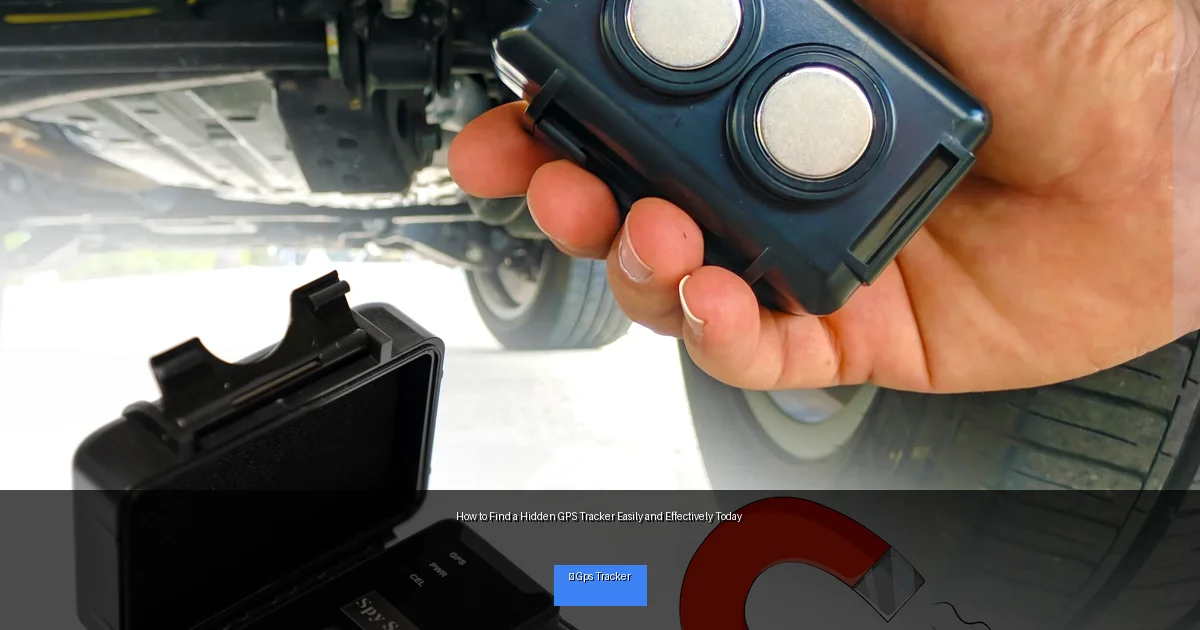
Visual guide about How to Find a Hidden GPS Tracker Easily and Effectively Today
Image source: spy-spot.com
Common uses of GPS trackers include fleet management, pet tracking, and personal safety. However, they can also be misused for spying or stalking.
Step 2: Conduct a Physical Inspection
The first and simplest way to find a hidden GPS tracker is to perform a thorough physical search.
Inspect Your Vehicle
- Check under the car: Many trackers attach magnetically to the car’s undercarriage. Use a flashlight to inspect the frame, wheel wells, and bumpers.
- Look inside the wheel wells: Remove debris and examine carefully for any unusual devices.
- Inspect the engine bay and battery area: Some trackers hide near the car battery or wiring harnesses.
- Check inside your vehicle: Look under seats, inside glove compartments, behind panels, and under floor mats.
Inspect Personal Items and Home
- For bags, check inner linings, pockets, and zippers.
- For electronics, such as laptops or power banks, look for unusual additions or attachments.
- In your home, check behind furniture, inside smoke detectors, or power outlets.
Tip: Wear gloves and use a flashlight for better visibility during inspection.
Step 3: Use Technology to Detect GPS Trackers
Sometimes physical inspection isn’t enough. Hidden trackers use wireless signals that you can detect with the right tools.
Use a GPS Tracker Detector App
Some smartphone apps can scan for nearby GPS trackers or Bluetooth devices. These apps detect signals from known tracker brands. While not foolproof, they can be a good first step.
Use an RF (Radio Frequency) Signal Detector
GPS trackers communicate using cellular or radio frequencies. An RF detector can pick up these signals, alerting you to nearby devices. Here’s how to use it:
- Turn off other wireless devices to reduce interference.
- Slowly move the detector around your vehicle or room.
- Pay attention to spikes or alerts on the device.
- When you locate a signal, inspect the area closely for the tracker.
Note: Some trackers only transmit occasionally to save battery, so you may need to scan multiple times or at different times of the day.
Step 4: Check for Battery-Powered or Passive Trackers
Many trackers rely on batteries and may be hidden in places without power cables. Here’s how to find them:
- Listen for sounds: Some trackers emit faint beeping or clicking noises.
- Use a UV flashlight: Some devices have reflective parts visible under UV light.
- Look for unusual bulges or weights: Feel for anything that doesn’t belong.
- Check for overheating or unusual smells: Battery-powered devices may generate heat or chemical odors.
Step 5: Use Your Phone to Detect Unusual Signals
Your smartphone can help detect hidden trackers by monitoring unusual activity:
- Check for unknown Bluetooth devices connected nearby.
- Use your phone’s settings to see background data usage spikes.
- Look for strange text messages or notifications that could be tracker commands.
Some newer phones now alert users if unknown tracking devices are traveling with them, a useful feature for personal safety.
Step 6: Get Professional Help if Needed
If your search is unsuccessful but you still suspect a tracker, consider hiring professionals. Security experts use advanced scanning equipment and have experience finding well-hidden devices. They can also check for other surveillance devices like cameras or microphones.
Troubleshooting Common Issues
- False positives on RF detectors: Many electronics emit radio signals. Turn off known devices to reduce interference.
- Intermittent tracker signals: Trackers may transmit data sporadically; scan at different times.
- Hidden power sources: Some trackers tap into vehicle wiring or batteries, making physical detection harder.
- Device size and camouflage: Tiny trackers disguised as bolts or screws require detailed inspection.
How to Protect Yourself from Future Tracking
- Regularly inspect your vehicle and belongings.
- Use secure parking and storage areas.
- Consider installing anti-tracking devices or jamming systems if legal in your area.
- Be cautious about who has access to your keys or possessions.
- Keep software and apps on your devices updated.
Conclusion
Finding a hidden GPS tracker can feel overwhelming, but by following these simple steps, you can protect your privacy effectively. Start with a careful physical inspection, use technology to detect hidden signals, and don’t hesitate to seek professional help if needed. Remember, staying calm and methodical is the key to success. Now you know how to find a hidden GPS tracker easily and effectively today—take control of your security and peace of mind.