Essential Tips for Organizing a Hiking Backpack Like a Pro
Organizing your hiking backpack efficiently is key to enjoying a smooth and safe outdoor adventure. This guide covers practical tips and expert advice to help you pack smart, balance your load, and access your gear easily, ensuring your hiking trip is comfortable and stress-free.
Key Takeaways
- Prioritize essential gear: Pack only what you need to keep your backpack light and manageable.
- Distribute weight evenly: Place heavy items close to your back and centered for better balance.
- Use compartments smartly: Organize gear by category and frequency of use for quick access.
- Protect fragile items: Cushion delicate gear with soft clothing or padding.
- Keep hydration accessible: Store water bottles or reservoirs where you can reach them easily.
- Secure loose straps and gear: Prevent snagging and discomfort by tucking in or attaching extras properly.
- Test your pack setup: Adjust and repack as needed before hitting the trail to ensure comfort and efficiency.
Essential Tips for Organizing a Hiking Backpack Like a Pro
Whether you’re a beginner or a seasoned hiker, organizing your hiking backpack well can make a big difference in your overall experience. In this guide, you’ll learn how to pack your hiking backpack efficiently to ensure comfort, balance, and easy access to your gear on the trail. From choosing what to bring to smartly placing items inside your pack, these tips will help you carry everything you need without unnecessary bulk or hassle.
Step 1: Choose the Right Backpack for Your Trip
Before you start packing, make sure you have a hiking backpack that fits your needs. Consider the trip length, weather conditions, and the amount of gear you’ll carry.
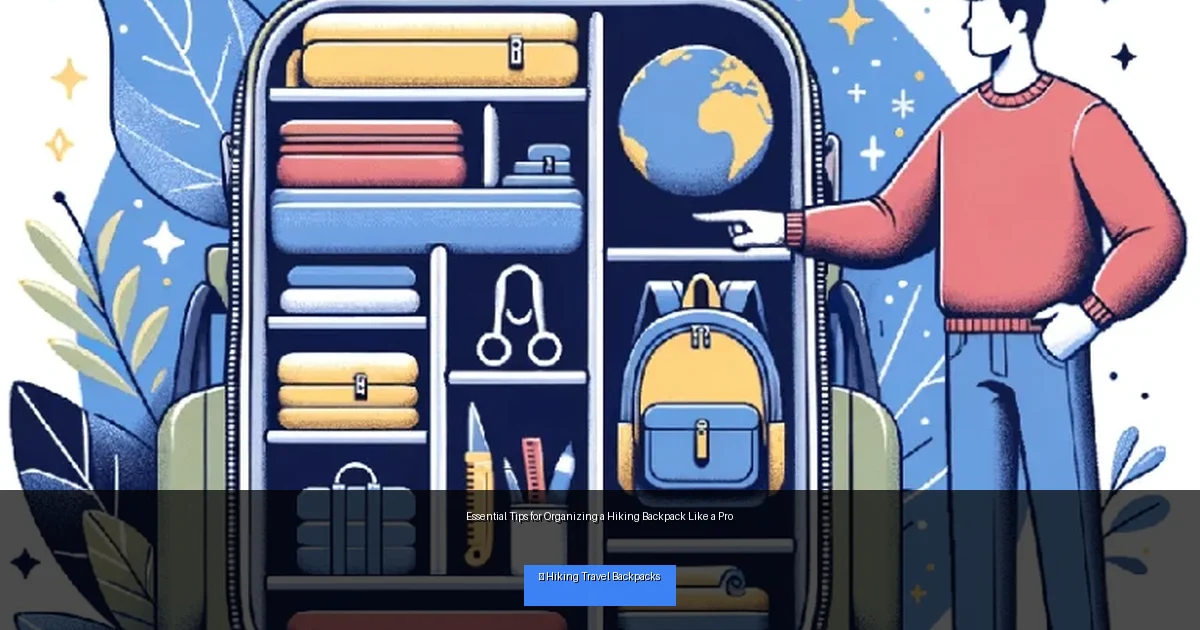
Visual guide about Essential Tips for Organizing a Hiking Backpack Like a Pro
Image source: nicgid.com
Determine the Size
Day hikes require smaller backpacks (15-30 liters), while overnight or multi-day trips need larger packs (40-70 liters). Choose a size that can fit all essentials comfortably without leaving too much empty space.
Check for Comfort Features
Look for padded shoulder straps, adjustable hip belts, and ventilation systems. These features will improve comfort and support when carrying your load.
Step 2: Make a Packing List and Prioritize Essentials
Start by listing everything you plan to bring. Prioritize items based on necessity and weight.
Essential Gear to Include
- Navigation tools (map, compass, GPS)
- Weather-appropriate clothing
- Food and water
- First aid kit
- Emergency shelter or tarp
- Multi-tool or knife
- Lighting (headlamp or flashlight)
- Fire-starting supplies
Leave Non-Essentials Behind
Avoid packing items “just in case.” Each extra ounce adds up, so be selective to keep your pack light.
Step 3: Organize Gear by Frequency of Use
Organize your items so that you can easily reach the things you’ll need most often.
Keep Daily Essentials Accessible
Place items like snacks, water, sunscreen, and a rain jacket in outer pockets or top compartments.
Store Less Used Items Deep Inside
Reserve the main compartment’s bottom for bulky but less frequently used gear like sleeping bags or extra clothes.
Step 4: Pack Strategically for Balance and Comfort
Proper weight distribution is crucial to avoid discomfort or injury.
Place Heavy Items Close to Your Back
Keep heavy gear such as water reservoirs, food supplies, and cooking equipment near your spine and mid-back to maintain balance.
Distribute Weight Evenly
Avoid packing all heavy items on one side. Spread them evenly to keep your center of gravity stable.
Fill Gaps with Soft Items
Use clothing or sleeping pads to fill empty spaces and prevent gear from shifting.
Step 5: Use Packing Cubes and Stuff Sacks
Organize smaller items in packing cubes or stuff sacks to keep your backpack tidy.
Group Similar Items
For example, keep your cooking gear together and your first aid supplies in one cube.
Compress Bulky Items
Use compression sacks for sleeping bags or clothes to save space.
Step 6: Secure and Manage External Gear
Many hikers carry items outside their packs, like trekking poles or sleeping pads.
Use Attachment Points Wisely
Secure external gear with straps or bungee cords to prevent swinging or noise.
Tuck Away Loose Straps
Loose straps can catch on branches or rocks. Fasten or tuck them away to avoid snags.
Step 7: Keep Hydration Easy to Access
Staying hydrated is vital on the trail, so make sure your water is always within reach.
Use Side Pockets or Hydration Bladder
Place water bottles in side mesh pockets or use a hydration reservoir with a drinking tube routed to your shoulder strap.
Plan Water Refills
Know where you can refill to avoid carrying excess water weight.
Step 8: Test and Adjust Your Pack Before Hiking
Once packed, wear your backpack around the house or on a short walk.
Check for Comfort
Adjust straps, hip belts, and load lifters to distribute weight comfortably.
Make Necessary Changes
If something feels off or heavy, repack or remove unnecessary items.
Troubleshooting Common Packing Issues
Back Pain or Shoulder Discomfort
Adjust the hip belt so it carries most of the weight. Tighten shoulder straps just enough to keep the pack close but not pinch.
Items Shift While Hiking
Fill gaps with soft items and use compression straps to stabilize your load.
Difficulty Finding Gear
Reorganize your pack so frequently used items are in accessible pockets or at the top.
Conclusion
Organizing a hiking backpack like a pro takes a bit of planning and practice, but it pays off with greater comfort and convenience on the trail. By choosing the right pack, prioritizing your gear, distributing weight smartly, and keeping essentials within reach, you’ll be ready for any adventure. Remember to test your setup before you head out and adjust as needed. With these tips, every hike can be more enjoyable and hassle-free.
🎥 Related Video: Beginner's Guide to Solo Backpacking: Essential Gear and Setup for Your First Adventure
📺 Jon Conti
In this video, we’ll cover the essential gear a beginner needs to know about, and the gear you’ll need to pack for your first trip.