How to Make a Hiking Backpack Comfortable for Long Travel Tips
In this guide, you’ll learn how to make a hiking backpack comfortable for long travel. From adjusting straps to smart packing and choosing the right gear, these tips help reduce strain and improve your hiking experience for hours on end.
Key Takeaways
- Proper Fit Is Essential: Adjust shoulder straps, hip belts, and load lifters to match your body shape for better weight distribution.
- Pack Smart: Organize heavier items close to your back and center of gravity to reduce fatigue.
- Use Padding and Support: Add extra padding or liners for comfort in pressure points.
- Balance the Load: Distribute weight evenly to avoid strain and improve stability.
- Take Breaks and Adjust: Regularly pause to adjust straps and relieve pressure during long hikes.
- Choose the Right Backpack: Select a backpack designed for your travel duration and body type.
- Maintain Good Posture: Keep your back straight and hips engaged to maximize comfort.
How to Make a Hiking Backpack Comfortable for Long Travel Tips
Long hiking trips can be challenging, especially when your backpack feels heavy or uncomfortable. The key to enjoying your travel is making sure your hiking backpack fits well and carries weight efficiently. In this guide, you’ll learn practical steps to adjust your backpack, pack it smartly, and stay comfortable throughout your journey. These tips are simple, effective, and perfect for hikers of all levels.
Step 1: Choose the Right Backpack for Your Trip
Before you hit the trail, it’s important to select a backpack that matches your travel needs and body size. A backpack made for long travel usually has features like padded shoulder straps, a supportive hip belt, and multiple compartments.
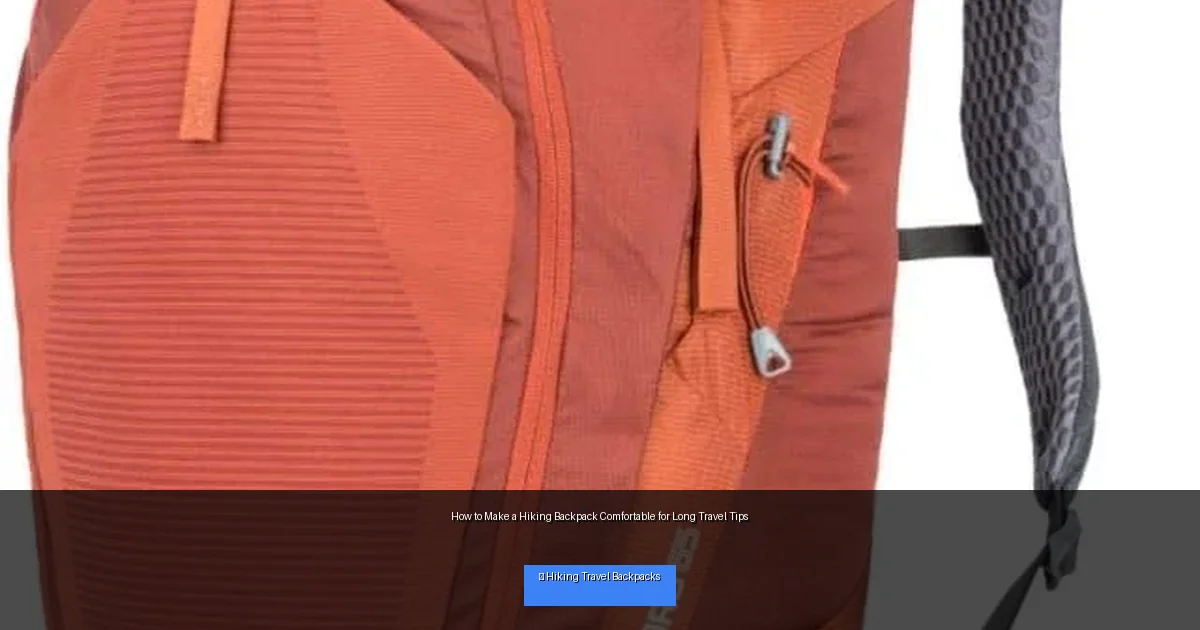
Visual guide about How to Make a Hiking Backpack Comfortable for Long Travel Tips
Image source: backpackinsider.com
Consider Capacity
For long hikes, backpacks between 40 to 70 liters are common. Larger capacity means you can carry more gear, but it can also add weight. Pick a size that fits your trip length and packing style.
Look for Adjustable Features
Backpacks with adjustable torso length and straps allow you to customize the fit. This ensures the pack sits properly on your back and hips, reducing pressure points.
Step 2: Adjust Your Backpack Properly
Fit the Hip Belt First
The hip belt should sit on the top of your hip bones, not your waist. Tighten it snugly to transfer most of the weight to your hips, which are better at carrying heavy loads than your shoulders.
Tighten Shoulder Straps
After the hip belt, pull the shoulder straps so the pack hugs your shoulders without digging in. They should stabilize the backpack without lifting the hip belt.
Use Load Lifters
Load lifter straps connect the top of the shoulder straps to the pack. Tighten these slightly to pull the weight closer to your body, improving balance and comfort.
Adjust the Sternum Strap
The sternum strap connects across your chest and helps keep the shoulder straps in place. Adjust it so it feels secure but not restrictive.
Step 3: Pack Smartly for Comfort
Place Heavy Items Close to Your Back
Keep heavy gear like water, food, and cooking supplies close to your spine, near the center of your back. This reduces strain and helps maintain balance.
Distribute Weight Evenly
Place medium-weight items around heavier ones and lighter items on the outside or top. This balance prevents the pack from pulling you backward or sideways.
Use Compression Straps
Many backpacks have side and front compression straps. Use these to cinch your load tight, preventing gear from shifting while you walk.
Step 4: Add Padding and Comfort Accessories
Use Padded Inserts or Foam
If your backpack’s back panel or straps feel hard, add foam pads or specialized liners. This extra cushioning reduces pressure and prevents chafing.
Wear Moisture-Wicking Clothing
Choose shirts and padding made of moisture-wicking fabric to keep sweat away. Dry, comfortable skin reduces irritation under straps.
Consider a Hip Belt Pad
If your hip belt digs into your hips, use extra padding or a hip belt cover. This can make a big difference on long days.
Step 5: Maintain Good Posture and Adjust on the Go
Keep Your Back Straight
Good posture helps distribute weight evenly. Avoid leaning forward or slouching, which can strain your back and shoulders.
Engage Your Core and Hips
Use your core muscles and hips to support the load. This reduces pressure on your shoulders and back.
Take Regular Breaks
Stop every hour or so to remove your pack, stretch, and adjust straps if needed. This prevents soreness and helps you notice any discomfort early.
Troubleshooting Common Backpack Comfort Issues
Shoulder Pain or Strap Digging
This usually means the hip belt isn’t tight enough. Re-tighten the hip belt to shift weight off your shoulders. Also, check padding and adjust shoulder straps for a better fit.
Back Pain or Hot Spots
Uneven packing or a poorly fitted backpack can cause back pain. Repack to place heavy items closer to your back and use padding to relieve pressure points.
Pack Feels Unstable or Sways
Use compression straps to tighten the load. Make sure the backpack fits snugly against your body. An unstable pack can throw off your balance and cause fatigue.
Additional Tips for Long-Term Comfort
- Practice with Your Loaded Pack: Before your trip, wear your fully packed backpack on short walks to get used to it.
- Stay Hydrated and Nourished: Your body handles weight better when well-fueled and hydrated.
- Rotate Your Load: On multi-day trips, reorganize your pack each day to keep comfort consistent.
Conclusion
Making your hiking backpack comfortable for long travel is all about fit, packing smart, and listening to your body. With the right adjustments, padding, and posture, you can hike longer with less pain and fatigue. Try these tips on your next adventure to carry your gear with ease and enjoy every step of the journey.
🎥 Related Video: How to Pack Your Backpack the Right Way | Outside
📺 Outside
Outside editorial fellow Taylor Gee gives us the breakdown of how he packed his backpack for his thru-hike of the Pacific Crest …