How to Choose a Hiking Travel Backpack for Your Next Adventure
Choosing the right hiking travel backpack is essential for comfort and convenience on your adventures. This guide covers everything from size and fit to features and materials, helping you pick the perfect pack for your hiking trips. Learn practical tips and expert advice to make your next outdoor journey hassle-free and enjoyable.
Key Takeaways
- Size Matters: Choose a backpack size that fits your trip length and gear needs.
- Fit is Key: A well-fitted backpack reduces strain and improves comfort on long hikes.
- Features Enhance Experience: Look for pockets, hydration compatibility, and adjustable straps.
- Material Durability: Opt for lightweight yet durable materials to withstand outdoor conditions.
- Weight Distribution: Proper support and padding help distribute weight evenly.
- Accessibility: Easy access to essentials saves time and effort during hikes.
- Try Before You Buy: Testing backpacks with weight helps ensure the right choice.
How to Choose a Hiking Travel Backpack for Your Next Adventure
Planning a hiking trip? One of the most important decisions you’ll make is selecting the right hiking travel backpack. The right backpack can make your adventure comfortable and enjoyable, while the wrong one may cause discomfort or even injury. In this guide, you’ll learn how to choose a hiking travel backpack that fits your body, holds your gear, and suits your style of hiking. Whether you’re a beginner or an experienced hiker, these tips will help you pick the perfect pack for your next adventure.
Step 1: Determine the Size You Need
The size of your hiking travel backpack depends largely on how long your trip will be and how much gear you need to carry.
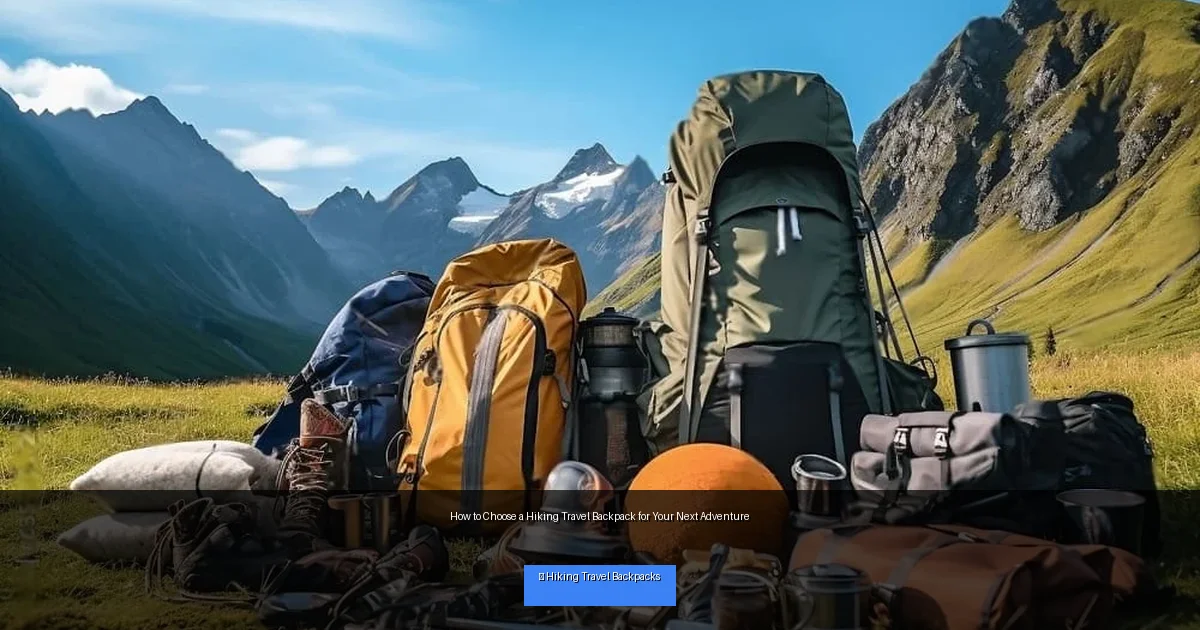
Visual guide about How to Choose a Hiking Travel Backpack for Your Next Adventure
Image source: hikingpirates.com
Day Hikes
If you’re going on a short day hike, a 15 to 30-liter backpack is usually enough. These packs are lightweight and perfect for carrying essentials like water, snacks, a first-aid kit, and a light jacket.
Overnight and Weekend Trips
For trips lasting one or two nights, aim for a backpack between 30 and 50 liters. This size provides enough space for extra clothing, a sleeping bag, and additional gear.
Extended Trips
If you plan on hiking for several days or more, choose a backpack with a capacity of 50 to 70 liters or more. Larger backpacks can carry tents, cooking equipment, food supplies, and more.
Tip: Don’t overpack. A heavier pack can slow you down and cause fatigue.
Step 2: Choose the Right Fit for Your Body
A hiking travel backpack must fit your body well to avoid discomfort and injury. Here’s how to find the right fit.
Measure Your Torso Length
Your torso length is the distance from the base of your neck to the top of your hip bones. Use a tape measure or get help from a professional to find this measurement. Backpacks come in different sizes to match torso lengths.
Check Hip Belt Fit
The hip belt supports most of the pack’s weight. It should sit comfortably on your hip bones, not your waist or stomach. Make sure it’s adjustable and padded for comfort.
Adjust Shoulder Straps
Shoulder straps hold the backpack close to your body and help stabilize the load. They should be snug but not tight, with enough padding to prevent chafing.
Test the Pack with Weight
Before buying, pack your backpack with weight similar to what you’ll carry on hikes. Walk around and adjust straps to see how it feels.
Step 3: Look for Useful Features
Modern hiking backpacks come with features that make hiking easier and more organized. Here are some to consider.
Hydration Compatibility
Many backpacks have a sleeve for a hydration reservoir and a port for the drinking tube. This feature makes it easy to stay hydrated without stopping.
Multiple Compartments and Pockets
Look for backpacks with several compartments. It helps organize gear and keeps essentials within reach. Side pockets for water bottles and small zippered pockets for valuables are very handy.
Compression Straps
Compression straps help stabilize your load and reduce the pack’s bulk. They also allow you to attach extra gear like sleeping pads or trekking poles.
Ventilation
Backpacks with mesh back panels or ventilation channels improve airflow and reduce sweating on your back.
Rain Cover
A built-in or detachable rain cover protects your backpack and gear from wet weather.
Step 4: Consider the Material and Durability
The material your backpack is made of affects its weight, durability, and weather resistance.
Lightweight Materials
Materials like ripstop nylon or polyester keep the pack lightweight, which is great for long hikes.
Durability and Reinforcement
Look for heavy-duty fabric in high-wear areas like the bottom and shoulder straps. Reinforced stitching adds to the backpack’s lifespan.
Water Resistance
Some backpacks come with water-resistant coatings or fabrics to protect your gear from moisture.
Step 5: Think About Weight Distribution and Support
How a backpack carries weight affects your comfort and energy on the trail.
Load Lifters
These straps connect the top of the shoulder straps to the pack, pulling the weight closer to your body for better balance.
Stabilizer Straps
Located on the hip belt, stabilizer straps help keep the pack steady during movement.
Suspension System
A good suspension system includes a frame (internal or external) that supports the pack and distributes weight evenly.
Step 6: Accessibility and Ease of Use
Quick access to your gear can make your hiking experience smoother.
Top Loading vs. Panel Loading
Top-loading backpacks open from the top and are simple but can make accessing gear on the bottom tricky. Panel-loading (front-loading) backpacks unzip like a suitcase, offering easier access.
Side Zippers and Pockets
Side access zippers let you reach items without unpacking everything. Useful for snacks, maps, or first-aid kits.
Troubleshooting Common Issues
Pain or Discomfort While Hiking
If you feel pain, your backpack may not fit correctly. Adjust the shoulder straps, hip belt, and load lifters. Consider switching to a different size or model if discomfort persists.
Backpack Feels Too Heavy
Try repacking to distribute weight evenly. Remove non-essential items to lighten the load.
Gear Getting Wet
Use a rain cover or pack gear in waterproof bags inside the backpack.
Conclusion
Choosing a hiking travel backpack doesn’t have to be complicated. Focus on size, fit, features, and durability to find a pack that supports your adventures comfortably. Remember to try backpacks with weight before you buy and adjust them properly for a perfect fit. With the right backpack, your next hiking trip will be more enjoyable and hassle-free. Happy hiking!
🎥 Related Video: How to Choose a Backpack for Hiking and Backpacking
📺 BackpackingTV
In this video, I’m letting you know what I look for when choosing a pack for hiking and backpacking. Hiking backpacks come in an …