Walking Shoes Mistakes to Avoid for Comfortable and Safe Walks
Walking shoes mistakes to avoid can make a huge difference in your comfort and safety during walks. This guide covers common errors in selecting, fitting, and using walking shoes, helping you enjoy every step without pain or injury.
Key Takeaways
- Choosing the wrong size: Wearing ill-fitting shoes can cause blisters and discomfort.
- Ignoring arch support: Proper arch support prevents foot fatigue and injuries.
- Using worn-out shoes: Old shoes lose cushioning and traction, increasing injury risk.
- Skipping proper socks: Wearing the right socks avoids blisters and enhances comfort.
- Not considering walking terrain: Different shoes suit different surfaces for better safety.
- Failing to break in new shoes: New shoes need time to adjust to your feet.
- Neglecting shoe maintenance: Regular cleaning and care extend shoe lifespan and performance.
Walking Shoes Mistakes to Avoid for Comfortable and Safe Walks
Walking is one of the best ways to stay active and healthy. But if your walking shoes are not right for you, your walks can quickly become uncomfortable or even harmful. In this guide, you will learn about the most common walking shoes mistakes to avoid. We’ll cover everything from choosing the right shoes to caring for them properly. By the end, you’ll know exactly how to pick, wear, and maintain walking shoes that keep your feet happy and safe.
1. Choosing the Wrong Size
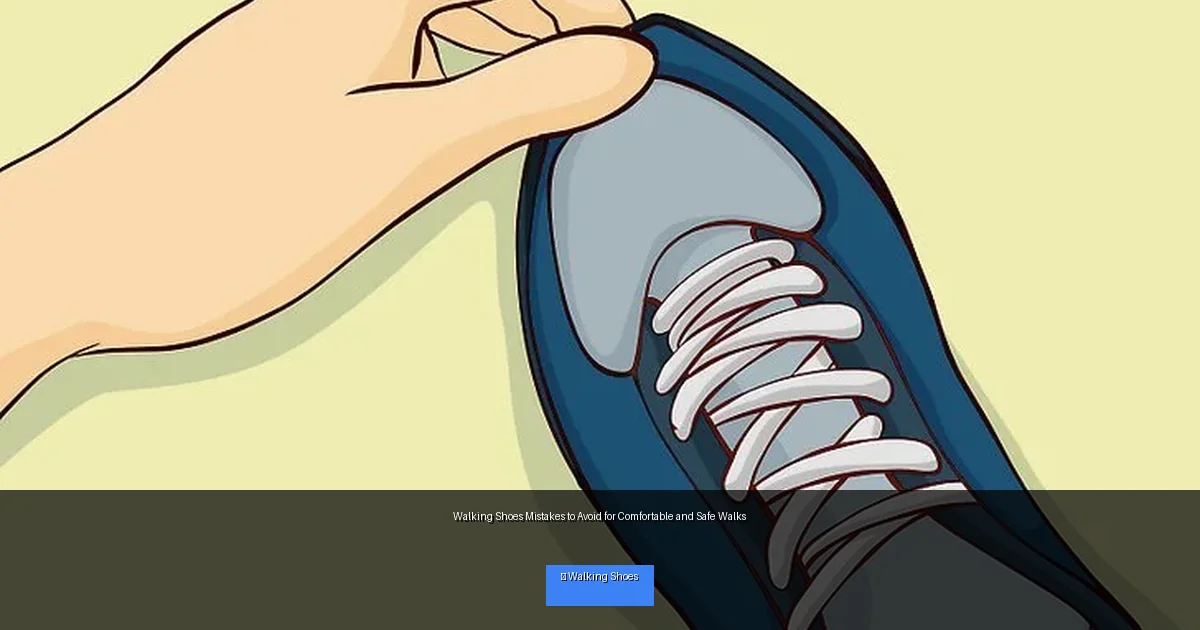
The most common mistake people make is wearing walking shoes that don’t fit well. Shoes that are too tight can cause blisters, bunions, and pain. Shoes that are too loose can lead to instability and tripping.
Visual guide about Walking Shoes Mistakes to Avoid for Comfortable and Safe Walks
Image source: wikihow.com
How to Find the Right Size
- Measure your feet: Your foot size can change over time. Measure your feet at the end of the day when they are largest.
- Try shoes on with socks: Wear the socks you plan to walk in for the best fit.
- Check for wiggle room: There should be about a half-inch of space between your longest toe and the shoe front.
- Walk around: Test the shoes by walking indoors to feel any tight spots or slipping.
2. Overlooking Proper Arch Support
Arch support is critical for comfort and foot health. Lack of support can lead to foot fatigue, plantar fasciitis, and knee pain.
How to Choose Shoes with Good Arch Support
- Know your arch type: Use a wet test or consult a podiatrist to find if you have low, normal, or high arches.
- Select shoes designed for your arch: Many walking shoes are labeled for stability, motion control, or neutral support.
- Consider custom insoles: If you have special needs, orthotic inserts can improve support.
3. Wearing Worn-Out Shoes
Walking in old shoes is a big mistake. Over time, the cushioning and sole wear down, which means less shock absorption and less grip.
When to Replace Walking Shoes
- Check outsole wear: If the tread is worn smooth, it’s time for new shoes.
- Notice discomfort: Increased soreness or pain after walks signals worn shoes.
- Track mileage: Walking shoes typically last 300-500 miles; keep a log to know when to replace.
4. Skipping Proper Socks
Wearing the wrong socks can cause blisters and discomfort. Cotton socks absorb moisture and can lead to rubbing.
Choosing the Right Socks
- Use moisture-wicking socks: Synthetic or wool blends keep feet dry.
- Look for padded areas: Extra cushioning in socks can reduce pressure points.
- Avoid seams: Seamless socks prevent irritation.
5. Not Considering the Walking Terrain
Different terrains need different shoes. Using road walking shoes on trails or vice versa can cause slips or injuries.
Matching Shoes to Terrain
- Road walking: Lightweight shoes with smooth soles work well on pavement.
- Trail walking: Look for shoes with aggressive tread and extra foot protection.
- Mixed terrain: Choose versatile walking shoes that balance cushioning and grip.
6. Failing to Break in New Shoes
Jumping into long walks with brand-new shoes can cause blisters and sore feet.
How to Break in Walking Shoes
- Start slow: Wear new shoes around the house or for short walks at first.
- Gradually increase distance: Allow your feet and shoes to adjust over time.
- Pay attention to discomfort: Minor soreness is normal, but severe pain means you should stop.
7. Neglecting Shoe Maintenance
Taking care of your walking shoes keeps them in good shape longer and maintains comfort.
Tips for Shoe Care
- Clean regularly: Remove dirt and sweat to prevent damage.
- Dry properly: Avoid direct heat; air dry to prevent material breakdown.
- Rotate shoes: Use multiple pairs to allow shoes to dry and recover.
- Store wisely: Keep shoes in a cool, dry place away from sunlight.
Troubleshooting Common Issues
Blisters and Hot Spots
Blisters often result from friction due to poor fit or wrong socks. Try adjusting lacing, changing socks, or using blister prevention tape.
Foot Pain or Discomfort
If pain persists, check if your shoes provide enough support and cushioning. Consider consulting a podiatrist or trying custom insoles.
Slipping or Instability
Slipping may mean your shoes lack proper traction or are too loose. Look for shoes with better grip and ensure a snug fit.
Conclusion
Walking shoes mistakes to avoid are easy to fix once you know what to look out for. Choosing the right size, supporting your arches, replacing worn shoes, wearing proper socks, matching shoes to terrain, breaking in new shoes, and maintaining them properly can all improve your walking comfort and safety. Follow these steps to enjoy every walk pain-free and confidently. Remember, your feet carry you every day—treat them well with the right walking shoes!