Are Hiking Shoes Waterproof Find Out What You Need to Know
Are hiking shoes waterproof? This guide explores everything you need to know about waterproof hiking shoes, including how to identify them, their benefits, and maintenance tips. Whether you’re a casual hiker or an avid trekker, understanding waterproof features will help you stay comfortable and dry outdoors.
Key Takeaways
- Waterproof hiking shoes vary: Not all hiking shoes are waterproof; some are water-resistant or breathable instead.
- Materials matter: Waterproof shoes often use membranes like Gore-Tex or specialized coatings to block water.
- Benefits of waterproof shoes: They keep feet dry in wet conditions, prevent blisters, and improve comfort.
- Limitations exist: Waterproof shoes may trap heat and reduce breathability during dry hikes.
- Proper care extends waterproofing: Cleaning and reapplying waterproof treatments maintain shoe performance.
- Choosing the right shoe depends on needs: Consider your hiking environment and weather before selecting waterproof shoes.
- Waterproof shoes require break-in: Expect a short adjustment period for comfort and performance.
Are Hiking Shoes Waterproof? Find Out What You Need to Know
If you love hiking, you might wonder, are hiking shoes waterproof? This is a common question because wet feet can quickly ruin an outdoor adventure. In this guide, you’ll learn what makes hiking shoes waterproof, how to spot waterproof features, and tips for choosing the best pair for your needs. We’ll also cover maintenance and troubleshooting so your shoes last longer and keep your feet dry on the trail.
Understanding Waterproof Hiking Shoes
First, let’s clarify what waterproof hiking shoes mean. Waterproof shoes are designed to prevent water from entering the shoe while still allowing moisture from sweat to escape. This keeps your feet dry from outside wetness and reduces discomfort from sweat buildup.
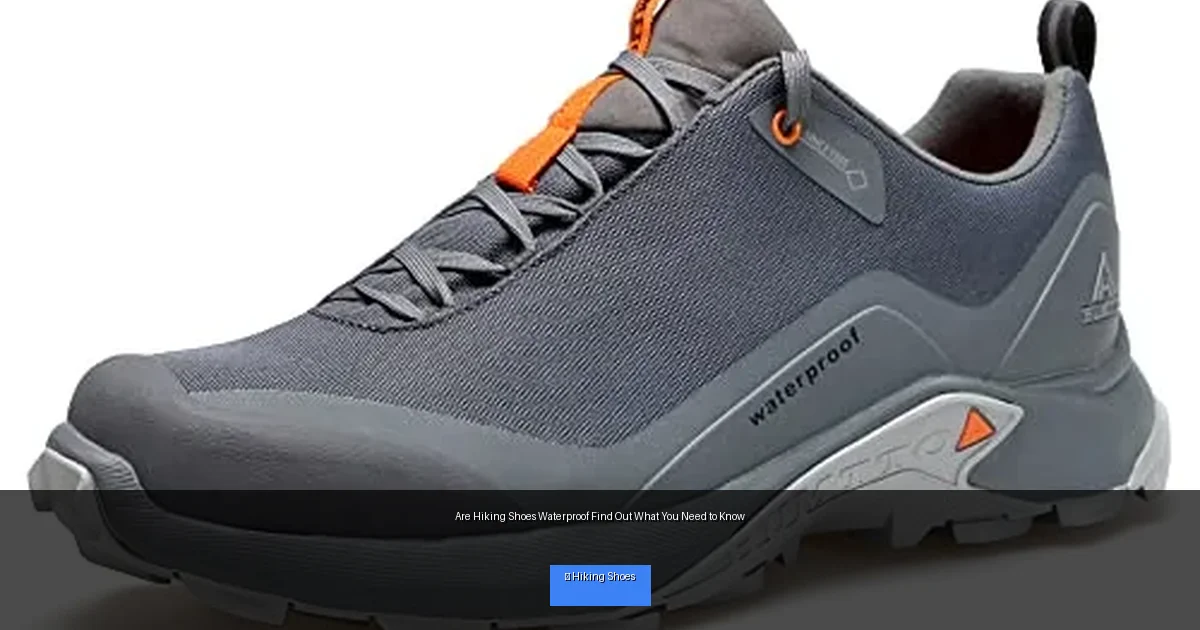
Visual guide about Are Hiking Shoes Waterproof Find Out What You Need to Know
Image source: m.media-amazon.com
However, not all hiking shoes labeled as waterproof offer the same level of protection. Some are only water-resistant, which means they can handle light moisture but may soak through in heavy rain or deep puddles.
What Materials Make Hiking Shoes Waterproof?
Waterproof hiking shoes typically use special membranes or coatings. The most common include:
- Gore-Tex: A breathable, waterproof membrane that blocks water but allows sweat to escape.
- eVent: Similar to Gore-Tex, it offers waterproofing with enhanced breathability.
- Waterproof leather: Treated leather that repels water but needs care to maintain protection.
- PU or rubber coating: Applied to certain areas to seal out water.
Step 1: Identify If Your Hiking Shoes Are Waterproof
Check the Product Description
When buying hiking shoes, look for keywords like “waterproof,” “Gore-Tex,” or “water-resistant” in the product details. This is the easiest way to know if the shoes are designed to keep water out.
Look for Waterproof Labels or Tags
Manufacturers often include tags or labels on the shoes or packaging indicating waterproof features.
Inspect the Shoe Design
Waterproof hiking shoes often have sealed seams and gusseted tongues (tongues attached to the sides) to prevent water entry. If the shoe looks like it has mesh panels or many ventilation holes, it might not be fully waterproof.
Step 2: Benefits of Waterproof Hiking Shoes
Choosing waterproof hiking shoes offers several advantages, especially if you hike in wet or unpredictable weather:
- Stay Dry: Waterproof shoes keep rain, puddles, and mud from soaking your feet.
- Prevent Blisters: Wet feet are prone to rubbing and blisters; dry feet reduce this risk.
- Improve Comfort: Dry feet feel warmer and more comfortable, enhancing your hiking experience.
- Protect Foot Health: Constant moisture can lead to fungal infections; waterproof shoes help prevent this.
Step 3: Limitations of Waterproof Hiking Shoes
While waterproof hiking shoes sound perfect, they do have some downsides:
- Reduced Breathability: Waterproof membranes can trap heat and sweat inside, making feet feel hot during dry hikes.
- Weight: Waterproof shoes can be heavier due to added membranes and materials.
- Cost: Waterproof hiking shoes usually cost more than breathable, non-waterproof options.
Understanding these limitations helps you decide if waterproof shoes are right for your hiking style and environment.
Step 4: How to Choose the Right Waterproof Hiking Shoes
Consider Your Hiking Environment
If you often hike in wet, muddy, or rainy conditions, waterproof shoes are a smart choice. For dry, hot climates, breathable shoes might be better.
Think About Terrain and Distance
Waterproof hiking shoes come in low-cut, mid-cut, and high-cut designs. High-cut boots offer more ankle support and protection, useful for rugged trails with water crossings.
Try Them On
Fit is crucial. Try hiking shoes with the socks you usually wear. Walk around to ensure comfort and check for any tight spots.
Check for Features
- Sealed seams
- Gusseted tongues
- Waterproof membranes like Gore-Tex
- Good traction soles for slippery surfaces
Step 5: Maintaining Your Waterproof Hiking Shoes
Clean Your Shoes After Use
Remove dirt and mud with a soft brush and water. Avoid harsh detergents that can damage waterproof coatings.
Dry Properly
Air dry your shoes at room temperature. Avoid direct heat sources like radiators or sunlight, which can crack leather and degrade membranes.
Reapply Waterproof Treatments
Over time, waterproof coatings wear off. Use sprays or waxes designed for your shoe material to restore water repellency.
Store Correctly
Keep your hiking shoes in a cool, dry place. Avoid storing them in damp areas where mold can develop.
Troubleshooting: What If My Waterproof Hiking Shoes Leak?
If your hiking shoes leak, don’t panic. Here are some common reasons and fixes:
Worn-Out Waterproof Membrane
Waterproof membranes can degrade with time and use. Consider reapplying waterproof treatments or replacing the shoes if they are old.
Punctures or Tears
Inspect your shoes for holes or damage. Small tears can sometimes be repaired with waterproof patches or sealants.
Seam Leaks
If seams are leaking, seam sealer products can help reinforce those areas.
Improper Fit or Tongue Design
If water enters around the tongue or collar, check if the tongue is gusseted and fits snugly. Consider gaiters for extra protection.
Conclusion
Are hiking shoes waterproof? The answer depends on the shoes you choose. Many hiking shoes are built with waterproof materials and membranes to keep your feet dry. However, some are only water-resistant or breathable. When selecting hiking shoes, consider the environment, your comfort, and maintenance needs. Proper care will keep your waterproof hiking shoes performing well for many trails to come. Happy hiking and stay dry!