Do Hiking Backpacks Count As Carry On Bags When Flying
Do hiking backpacks count as carry on bags when flying? Many airlines accept hiking backpacks as carry-ons if they meet size and weight limits. This guide helps you understand airline policies, measure your backpack, and pack smartly to breeze through airport security.
Key Takeaways
- Hiking backpacks can count as carry on bags: Most airlines allow hiking backpacks as carry on if they fit size and weight limits.
- Check airline size restrictions: Each airline has specific dimensions for carry on luggage—measure your hiking backpack carefully.
- Choose backpacks with carry-on features: Look for backpacks with compact designs and easy access compartments for airport convenience.
- Packing smart matters: Efficient packing helps keep your backpack within limits and organized for travel.
- Be aware of weight limits: Airlines often have weight restrictions for carry on—hiking backpacks can get heavy fast.
- Consider security checkpoints: Backpacks with multiple compartments help speed up TSA screening.
- Always confirm with your airline: Policies vary, so double-check before you fly.
Do Hiking Backpacks Count As Carry On Bags When Flying?
Planning your next trip and wondering if your trusty hiking backpack can double as your carry on bag? Many travelers prefer hiking backpacks for their durability and comfort. But do airlines treat them the same as traditional carry on luggage? In this guide, you will learn everything you need to know about using hiking backpacks as carry on bags when flying. We’ll cover airline rules, how to measure your backpack, packing tips, and troubleshooting common issues.
Step 1: Understand Airline Carry On Policies
Before you pack your hiking backpack, it’s crucial to understand the carry on policies of the airline you’re flying with. Airlines have specific size and weight limits for carry on bags, and these rules apply regardless of the bag type.
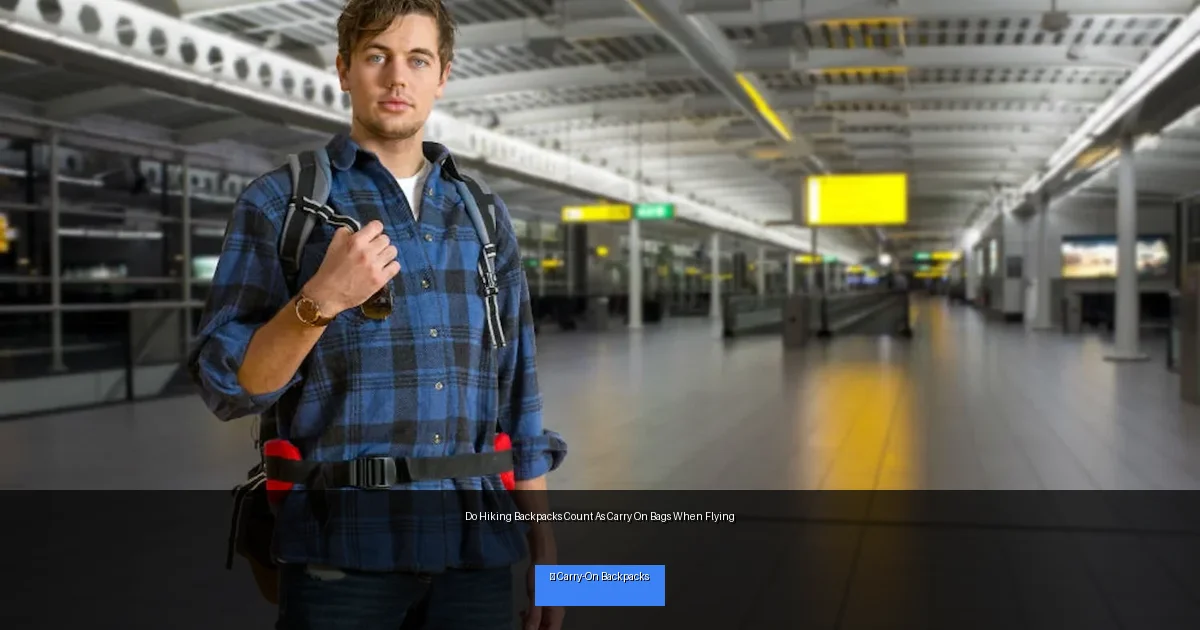
Visual guide about Do Hiking Backpacks Count As Carry On Bags When Flying
Image source: leisurehiking.com
What Are Typical Size Limits?
Most airlines allow carry on bags around 22 x 14 x 9 inches (56 x 36 x 23 cm). This includes wheels, handles, and any external pockets. Since hiking backpacks can be bulky, measuring accurately is essential.
Weight Restrictions
Some airlines also enforce weight limits for carry on bags, usually between 15-22 pounds (7-10 kg). A fully loaded hiking backpack can become heavy quickly, so consider this when packing.
Examples of Airline Policies
- American Airlines: Max dimensions 22 x 14 x 9 inches, no specific weight limit but must be liftable into overhead bin.
- Delta Airlines: Same size limits, weight limits vary by destination.
- Southwest Airlines: Allows a carry on bag and a personal item with size restrictions.
Step 2: Measure Your Hiking Backpack Correctly
To know if your hiking backpack counts as a carry on, you need to measure it properly.
How to Measure
- Height: Measure from the base to the top including any extended straps or compartments.
- Width: Measure the widest part of the backpack.
- Depth: Measure how far it extends outward, including any external pockets or attachments.
Tips for Accurate Measurements
- Measure when the backpack is fully packed the way you intend to travel.
- Compress straps and pockets as much as possible for a realistic size.
- Use a tape measure or ruler for precise dimensions.
Step 3: Choose the Right Hiking Backpack for Carry On
If you’re still searching for a backpack, consider features that make a hiking pack suitable for carry on travel.
Compact Size and Lightweight
Look for backpacks designed with travel in mind, typically 30-40 liters capacity. Bigger backpacks are often too large for carry on.
Organized Compartments
Choose packs with separate compartments for electronics, documents, and toiletries to speed up security checks.
Durability and Comfort
Good padding and sturdy materials make carrying easier, especially when lifting your backpack into overhead bins.
Step 4: Pack Your Hiking Backpack Efficiently
Packing smart keeps your backpack within airline limits and makes traveling easier.
Use Packing Cubes
Packing cubes help organize your clothes and compress items to save space.
Distribute Weight Evenly
Place heavier items near your back to improve comfort and balance.
Keep Essentials Accessible
Store items like passports, boarding passes, and electronics in external pockets or top compartments.
Limit Liquids
Follow TSA liquid regulations—containers under 3.4 ounces (100 ml) and all liquids in a clear quart-sized bag.
Step 5: Navigate Airport Security with a Hiking Backpack
Backpacks can slow you down at security if not packed thoughtfully.
Prepare Your Electronics
Have laptops and tablets ready to remove if required by TSA.
Minimize Metal Items
Remove belts, watches, and keys before screening.
Open Compartments If Asked
Be ready to unzip your backpack for inspection to speed up the process.
Troubleshooting Common Issues
Sometimes things don’t go as planned. Here are some tips if your hiking backpack is too large or heavy.
Backpack Too Large for Carry On?
- Consider removing items and placing them in a personal item or checked bag.
- Compress your backpack tightly or adjust straps to reduce bulk.
- Upgrade to a smaller hiking or travel backpack next time.
Backpack Too Heavy?
- Remove non-essential items before heading to the airport.
- Wear some bulky clothing or shoes to reduce weight in your pack.
- Distribute items between carry on and checked luggage if possible.
Denied Carry On Boarding?
- Be polite and ask if a personal item is allowed in addition.
- Check if gate check options are available to avoid fees.
- Plan ahead and confirm policies before your flight to avoid surprises.
Conclusion
So, do hiking backpacks count as carry on bags when flying? The short answer is yes—as long as they meet your airline’s size and weight requirements. By understanding airline rules, measuring your backpack properly, and packing efficiently, you can enjoy the convenience of a hiking backpack as your carry on. Always check your airline’s specific policies before travel and prepare for security screening to ensure a smooth experience. With the right backpack and smart packing, your hiking gear can easily double as your carry on luggage on your next flight.