Do carry on backpacks have a weight limit? Yes, most airlines set weight limits for carry on bags, including backpacks. This guide explains how to find your backpack’s weight limit, pack efficiently, and avoid surprises at the airport.
Key Takeaways
- Carry on backpacks often have weight limits: Airlines typically impose a maximum weight for carry on luggage to ensure safety and fairness.
- Weight limits vary by airline: It’s important to check your specific airline’s rules before packing.
- Backpack capacity and weight are different: Just because your backpack fits doesn’t mean it meets the weight limit.
- Packing smart helps stay within limits: Choose lightweight items and pack strategically to avoid overweight fees.
- Use a luggage scale: Weigh your backpack before heading to the airport to prevent surprises.
- Overweight carry on backpacks may be checked: Airlines might force you to check your bag or pay extra fees if overweight.
- Always follow airline guidelines: This ensures smooth boarding and avoids travel stress.
Do Carry On Backpacks Have a Weight Limit? Find Out Now
Are you wondering if your carry on backpack has a weight limit? If you travel often, you know how important it is to pack smartly. Airlines usually have rules about how much your carry on bag can weigh. But does this apply to backpacks too? This guide will help you understand carry on backpack weight limits, how to find them, and how to pack efficiently to avoid problems at the airport.
Step 1: Understand What Carry On Weight Limits Mean
First, it’s important to know that “weight limit” means the maximum weight your carry on bag can be when you board the plane. Airlines set these limits for safety and space reasons. If your carry on is too heavy, it can be unsafe or cause delays.
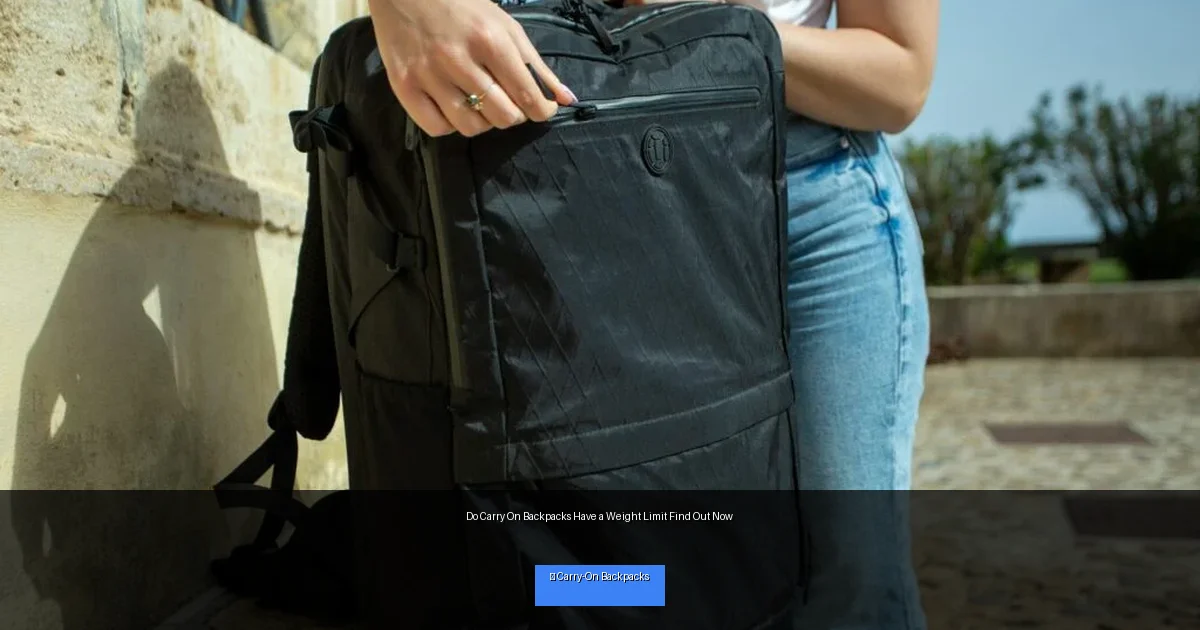
Visual guide about Do Carry On Backpacks Have a Weight Limit Find Out Now
Image source: blog.tortugabackpacks.com
Why Do Airlines Have Weight Limits?
- Safety: Aircraft have weight and balance requirements to keep flights safe.
- Fairness: Weight limits help ensure all passengers have equal space for carry on luggage.
- Efficiency: Overweight bags slow down boarding and can cause delays.
Even if your backpack fits in the overhead bin, it still might be too heavy according to airline rules.
Step 2: Check Your Airline’s Carry On Weight Limit
Each airline sets its own weight limit for carry on bags. These can range from 7 kg (15 lbs) to 10 kg (22 lbs) or more. Some low-cost airlines have stricter limits. It’s best to check their official website or your ticket info.
How To Find Airline Weight Limits
- Visit the airline’s official website.
- Look for “baggage policy” or “carry on luggage” sections.
- Check your booking confirmation for baggage rules.
- Call customer service to confirm if needed.
Keep in mind that weight limits apply to the total carry on allowance — not just your backpack, but any personal items too.
Step 3: Know Your Backpack’s Capacity and Weight
Your backpack’s size (measured in liters) tells you how much space you have, but not how much weight it can carry. Most backpacks don’t have a strict weight limit printed on them, but they have recommended maximum loads to avoid damage or discomfort.
Typical Backpack Weight Recommendations
- Daypacks (20-30 liters): Usually comfortable up to 10-15 lbs.
- Travel backpacks (30-50 liters): Can carry 15-25 lbs comfortably.
- Larger backpacks (50+ liters): Designed for heavier loads, but not recommended for carry on.
Remember, your backpack may physically hold more weight, but airlines won’t allow it if it exceeds their limits.
Step 4: Weigh Your Packed Carry On Backpack
Before heading to the airport, weigh your backpack to make sure it meets the airline’s weight limit. Don’t just guess — use a luggage scale or bathroom scale for accuracy.
How to Weigh Your Backpack
- Use a portable luggage scale and hook it onto your backpack’s handle.
- Lift the backpack and read the weight on the scale.
- If you don’t have a luggage scale, weigh yourself first, then weigh yourself holding the backpack. Subtract the two numbers.
If your backpack is too heavy, remove some items or redistribute weight to a personal item if allowed.
Step 5: Pack Smart to Stay Within Weight Limits
Packing smart is key to keeping your carry on backpack light and within limits. Here are practical tips:
Choose Lightweight Items
- Select clothes made from lightweight fabrics.
- Bring travel-sized toiletries.
- Limit shoes to one or two pairs.
Use Packing Cubes and Compression Bags
- Organize items to save space and avoid overpacking.
- Compress bulky clothes to reduce volume.
Wear Heavier Clothing on the Plane
- Put your jacket, boots, or bulky items on during travel to reduce backpack weight.
Limit Electronics and Accessories
- Bring only essential gadgets and chargers.
- Choose lightweight alternatives when possible.
Step 6: Troubleshooting Overweight Backpacks at the Airport
If your backpack is overweight when you get to the airport, don’t panic. Here are some steps to handle it:
Ask About Allowances
- Some airlines allow a personal item plus a carry on. See if you can shift some items.
Consider Checking Your Bag
- If overweight fees are high, it might be cheaper to check your backpack.
Remove Non-Essential Items
- Take out heavy items and carry them separately if allowed.
Upgrade Your Ticket
- Higher fare classes sometimes offer larger baggage allowances.
Conclusion: Know Your Limits and Pack Confidently
So, do carry on backpacks have a weight limit? The answer is yes — airlines set limits that apply to all carry on luggage, including backpacks. Knowing your airline’s weight limit and weighing your packed backpack before travel will save you stress. Pack smart, choose lightweight items, and use a luggage scale. This way, you’ll breeze through airport checks and enjoy your trip without baggage worries.
Remember, following these tips not only helps you meet airline rules but also makes travel easier and more comfortable. Happy packing!