What Should Beginners Know About Backpacking Tips for Success and Safety
Backpacking is an exciting way to explore nature, but beginners need to be prepared to enjoy their trips safely and comfortably. This guide shares essential tips on choosing the right backpack, packing smart, planning your route, and staying safe on the trail for a successful backpacking experience.
Key Takeaways
- Choose the Right Backpack: Selecting a backpack that fits your body and trip length is crucial for comfort and efficiency.
- Pack Light and Smart: Bring only essentials and organize your gear to avoid unnecessary weight and hassle.
- Plan Your Route Carefully: Research trails, weather, and campsites to ensure a safe and enjoyable journey.
- Practice Safety First: Carry a first aid kit, know basic survival skills, and inform someone about your plans.
- Stay Hydrated and Nourished: Bring enough water and high-energy food to maintain your strength on the trail.
- Test Your Gear: Try out your equipment before heading out to avoid surprises during the trip.
- Respect Nature: Follow Leave No Trace principles to protect the environment and wildlife.
What Should Beginners Know About Backpacking: Tips for Success and Safety
Backpacking is a fantastic way to connect with nature, challenge yourself, and experience new places. If you’re a beginner, you might feel a bit overwhelmed by all the planning and gear involved. Don’t worry! This guide will walk you through everything you need to know to start your backpacking journey confidently. From picking the right backpack to staying safe on the trail, you’ll learn practical tips that make your trip enjoyable and stress-free.
Step 1: Choosing the Right Backpack
Your backpack is your most important piece of gear. It carries everything you need, so comfort and fit are key.
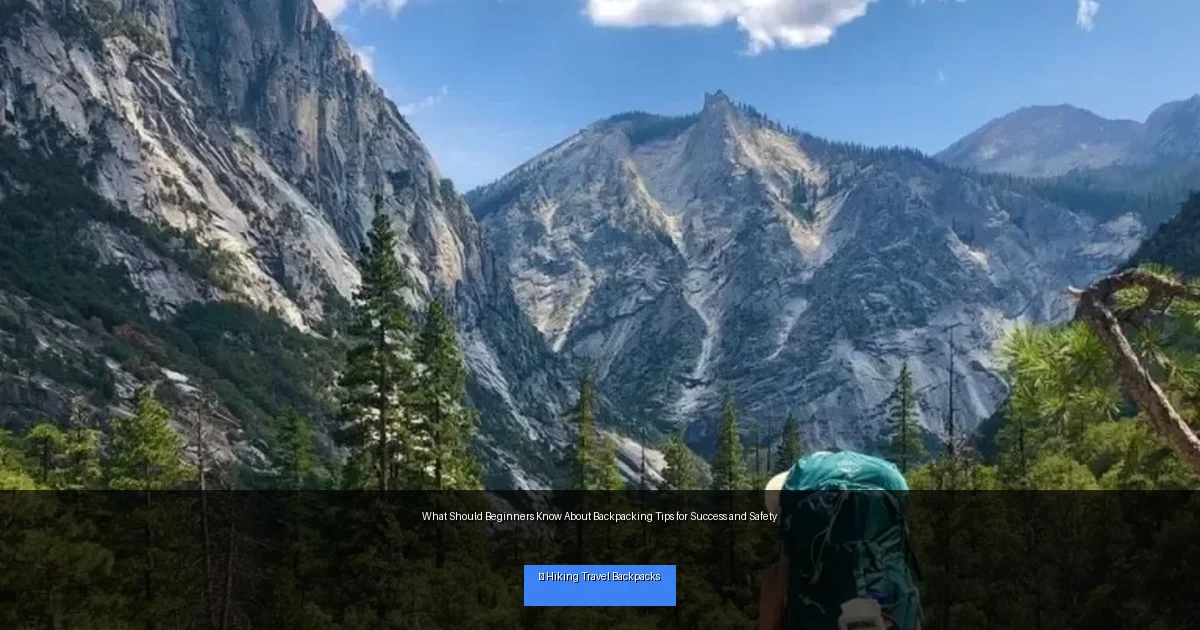
Visual guide about What Should Beginners Know About Backpacking Tips for Success and Safety
Image source: i0.wp.com
Understand Backpack Types
- Daypacks: Small, for short trips or day hikes.
- Internal frame backpacks: Good for stability and support on rugged terrain.
- External frame backpacks: Better for heavy loads and ventilation but bulkier.
Consider Capacity
For beginners, a 40-60 liter backpack usually works well for 1-3 night trips. Larger packs are heavier and more complex to manage.
Fit and Comfort
- Look for adjustable straps and padded hip belts.
- Try the pack with weight before buying.
- Make sure the pack fits your torso length.
Step 2: Packing Smartly
Packing is an art. You want to bring enough but avoid overloading yourself.
Make a Checklist
- Essentials: tent, sleeping bag, food, water, clothing, first aid kit.
- Tools: map, compass, multi-tool, headlamp.
- Extras: sunscreen, insect repellent, trash bags.
Use the Right Packing Techniques
- Pack heavy items close to your back and near your hips.
- Keep frequently used items on top or in accessible pockets.
- Use compression sacks to save space.
Minimize Weight
Choose lightweight gear designed for backpacking. Avoid bringing “just in case” items unless essential.
Step 3: Planning Your Route
Good planning helps you avoid surprises and ensures safety.
Research Your Trail
- Check maps and guidebooks.
- Read recent trail reports online.
- Know the distance and difficulty level.
Check Weather Conditions
Always look at the forecast a few days before your trip and on the day you leave.
Plan Campsites and Water Sources
- Identify safe places to camp.
- Know where you can refill water.
Step 4: Staying Safe on the Trail
Safety is the number one priority in backpacking.
Bring a First Aid Kit
Include bandages, antiseptic wipes, pain relievers, blister treatment, and any personal medications.
Know Basic Survival Skills
- How to read a map and use a compass.
- What to do if you get lost.
- How to handle encounters with wildlife.
Tell Someone Your Plan
Inform a friend or family member about your itinerary and expected return time.
Stay on Marked Trails
This reduces the risk of getting lost and protects the environment.
Step 5: Hydration and Nutrition
Your energy and health depend on what you eat and drink.
Water
- Carry at least 2 liters of water per day.
- Bring a water filter or purification tablets if you plan to refill from natural sources.
Food
- Choose high-calorie, lightweight foods like nuts, dried fruits, energy bars, and dehydrated meals.
- Pack snacks for quick energy boosts on the trail.
Step 6: Testing Your Gear Beforehand
Don’t wait until your trip to find out your gear doesn’t work well.
Do a Trial Run
- Take a short hike with your packed backpack.
- Test your tent and cooking equipment at home.
- Wear your hiking boots several times to break them in.
Troubleshooting Common Issues
Backpack Hurts Your Shoulders or Back
Adjust the straps and hip belt. Make sure the weight is balanced and not too heavy.
Blisters on Feet
Wear moisture-wicking socks and properly fitted boots. Use blister pads if needed.
Running Low on Water
Conserve water by resting in shade and avoid unnecessary exertion. Use purification methods to refill safely.
Lost on the Trail
Stop moving and try to retrace your steps. Use your map and compass, and signal for help if necessary.
Conclusion
Backpacking can be an incredible adventure when you prepare well. By choosing the right backpack, packing smart, planning your route, and prioritizing safety, you set yourself up for success. Remember to respect nature and enjoy the journey at your own pace. With these beginner tips, you’ll gain confidence and make lasting memories on the trail. Happy backpacking!
🎥 Related Video: Beginner's Guide to Solo Backpacking: Essential Gear and Setup for Your First Adventure
📺 Jon Conti
In this video, we’ll cover the essential gear a beginner needs to know about, and the gear you’ll need to pack for your first trip.