Walking Shoes Snug Fit Guide Tips to Find Comfortable Footwear
Finding the right snug fit in walking shoes is key to comfort and injury prevention. This guide shows you how to measure your feet, test shoe fit, and adjust laces properly for a perfect fit. With practical tips and troubleshooting advice, you’ll discover the best way to choose walking shoes that feel great from day one.
Key Takeaways
- Proper measurement matters: Measure your feet at the end of the day for accurate sizing.
- Snug but not tight: Your walking shoes should fit close to your foot without causing pressure points.
- Check heel and toe fit: Ensure the heel is secure and there’s enough toe room to prevent blisters.
- Lace adjustment: Learn how to adjust laces to customize fit and support.
- Try shoes with walking socks: Wear the socks you plan to walk in when trying shoes to get the best fit.
- Break-in period: Understand that some shoes require a short break-in to reach optimal comfort.
- Replace when worn out: Walking shoes lose support over time and should be replaced regularly.
Walking Shoes Snug Fit Guide: Tips to Find Comfortable Footwear
Choosing the right walking shoes can make all the difference to your comfort and foot health. A snug fit in your walking shoes means the shoes hold your feet securely without squeezing or causing pain. This guide will teach you how to find that perfect snug fit, so your feet feel supported and comfortable during every walk.
Why a Snug Fit Matters for Walking Shoes
A snug fit prevents your feet from sliding inside the shoes, which reduces friction and blisters. It also provides better control and stability, helping to avoid injuries. Shoes that are too loose can cause discomfort, while shoes that are too tight restrict circulation and cause pain. Getting the right fit is essential for walking comfort and foot health.
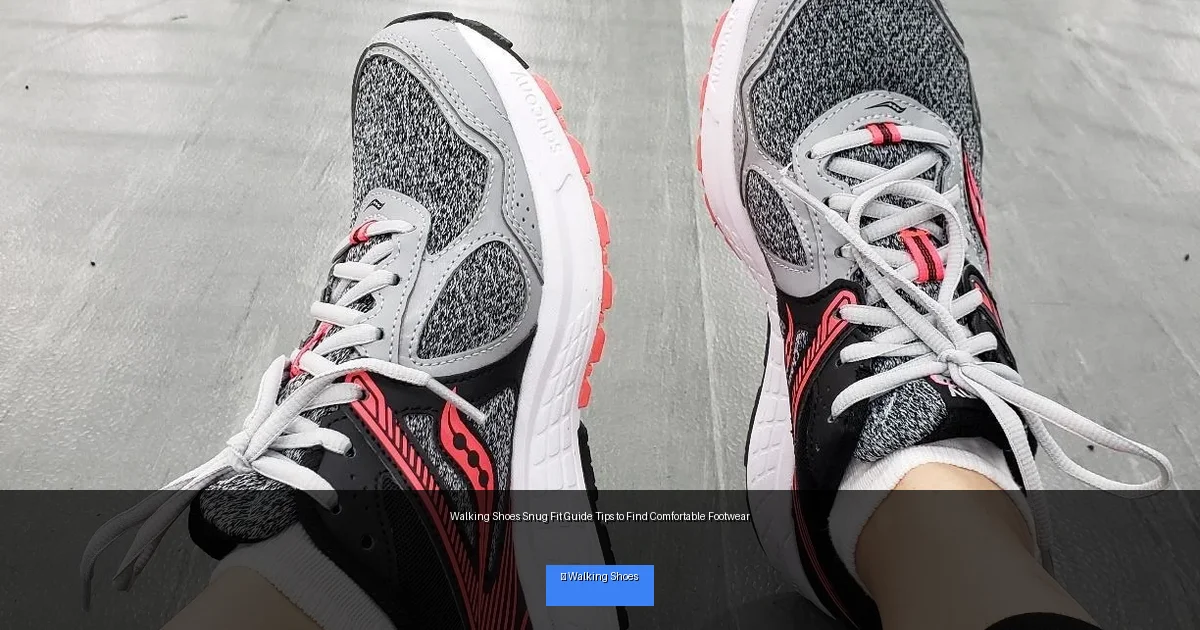
Visual guide about Walking Shoes Snug Fit Guide Tips to Find Comfortable Footwear
Image source: img.buzzfeed.com
Step 1: Measure Your Feet Correctly
Measure at the Right Time
Your feet can swell throughout the day, so it’s best to measure them in the late afternoon or evening. This ensures you get an accurate size that fits even when your feet are at their largest.
Use the Right Tools
You’ll need a ruler or measuring tape, a piece of paper, and a pen. Alternatively, you can visit a shoe store and use their foot measuring device called a Brannock device.
How to Measure
- Place the paper on a flat surface and stand on it with your heel against a wall.
- Mark the longest toe’s tip on the paper.
- Measure the distance from the wall (heel) to the mark.
- Repeat for both feet and use the larger measurement.
Measure Width
Wrap a tape measure around the widest part of your foot (the ball area). This helps determine if you need a narrow, regular, or wide shoe.
Step 2: Understand the Snug Fit Concept
What Does “Snug Fit” Mean?
Snug fit means the shoe hugs your foot comfortably without tightness. Your foot should not slide forward or sideways inside the shoe, but the shoe should not pinch or squeeze.
How Much Toe Room Is Ideal?
You should have about a thumb’s width (around half an inch) of space between your longest toe and the front of the shoe. This allows for natural foot movement and swelling during walking.
Heel Fit
The heel should feel locked in place. If your heel lifts or slides, the shoe is too loose and could cause blisters.
Step 3: Try on Walking Shoes Correctly
Wear the Right Socks
Always try shoes with the socks you intend to walk in. Thicker or cushioned socks require slightly more space.
Try Both Shoes
Feet are often different sizes. Try both shoes and choose based on the larger foot.
Walk Around
Walk on a flat surface and a slight incline if possible. Notice any pressure points, slipping, or discomfort.
Test the Lacing
Adjust the laces to see how tightening or loosening affects fit. Proper lacing can improve snugness without discomfort.
Step 4: Adjust Lacing for a Customized Snug Fit
Standard Lacing
Start by lacing your shoes normally, making sure the laces are snug but not tight. This provides a good baseline fit.
Heel Lock or Runner’s Tie
To prevent heel slipping, use a heel lock lacing technique. Create extra loops near the top eyelets and thread the lace through to lock your heel in place.
Skip Eyelets for Pressure Relief
If you feel pressure on the top of your foot, skip an eyelet or two to reduce tightness in that area.
Step 5: Break In Your Walking Shoes Properly
Start Slow
Wear your new shoes for short walks initially to allow your feet and the shoes to adjust.
Use Shoe Inserts if Needed
If you need extra support or cushioning, consider orthotic inserts that fit well inside your snug shoes.
Monitor for Discomfort
If pain or blisters appear, reassess the fit or lacing. Don’t ignore persistent discomfort.
Troubleshooting Common Fit Problems
Too Tight in the Toe Box
- Try a wider shoe model or size up slightly.
- Check if your socks are too thick.
- Use lacing techniques to relieve pressure.
Heel Slipping
- Use heel lock lacing to secure your heel.
- Consider heel grips or thicker socks.
- If persistent, try a shoe with a firmer heel counter.
Blisters or Hotspots
- Ensure proper sock choice (moisture-wicking recommended).
- Use blister prevention tape or pads.
- Recheck shoe fit and lacing adjustments.
When to Replace Your Walking Shoes
Walking shoes lose cushioning and support over time. Replace them every 300-500 miles or when you notice worn soles, reduced comfort, or foot pain.
Conclusion
Finding a snug fit in walking shoes is essential to enjoy comfortable, healthy walks. By measuring your feet accurately, trying shoes properly, adjusting laces, and breaking in your footwear carefully, you can ensure your shoes fit just right. Remember, snug means secure but comfortable — not tight or painful. Use this guide as your roadmap to choose walking shoes that support every step you take.