Ultimate Walking Shoes Fitting Checklist for Perfect Comfort and Support
Finding the right walking shoes is essential for comfort and injury prevention. This ultimate walking shoes fitting checklist guides you through every step, from measuring your feet to testing shoe support, ensuring you choose the perfect pair for your needs.
Key Takeaways
- Proper Measurement: Always measure your feet at the end of the day to account for natural swelling.
- Right Shoe Size: Ensure there’s enough toe room and the shoe fits snugly without being tight.
- Arch Support: Match the shoe’s arch support to your foot type for better comfort.
- Cushioning Matters: Opt for shoes with adequate cushioning to absorb impact during walking.
- Try Shoes on Both Feet: Feet can differ in size; always test both before purchasing.
- Test Walking Motion: Walk around in the shoes to assess flexibility and support.
- Replace Worn Shoes: Regularly check for wear and replace shoes to maintain support and comfort.
Ultimate Walking Shoes Fitting Checklist for Perfect Comfort and Support
Walking is a great way to stay active and healthy, but having the right walking shoes is key. Ill-fitting shoes can cause discomfort, blisters, or even injuries. In this guide, you’ll learn how to find the perfect walking shoes that offer both comfort and support. We’ll walk you through a detailed fitting checklist so you can shop confidently and enjoy every step.
Step 1: Understand Your Foot Type
Identify Your Arch Type
Knowing your arch type helps you select shoes that provide the right support. There are three main types:
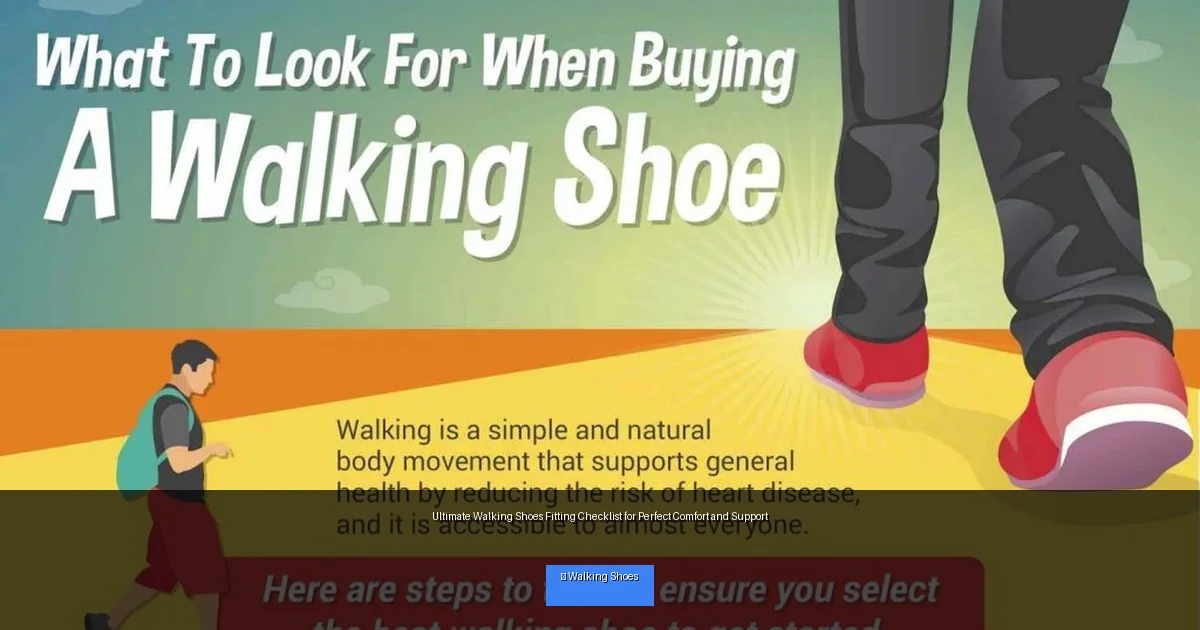
Visual guide about Ultimate Walking Shoes Fitting Checklist for Perfect Comfort and Support
Image source: infographicjournal.com
- Flat feet: Low or no arch, feet tend to roll inward.
- Normal arch: Moderate arch, balanced foot motion.
- High arch: Pronounced arch, feet tend to roll outward.
Tip: Use a wet test by wetting your foot and stepping on a paper towel. The shape of your footprint reveals your arch type.
Why It Matters
Shoes with proper arch support reduce strain on muscles and joints. Flat feet need stability shoes, normal arches do well with neutral shoes, and high arches benefit from cushioned shoes.
Step 2: Measure Your Feet Correctly
When to Measure
Measure your feet at the end of the day or after a walk when feet are largest. This prevents buying shoes that are too tight.
How to Measure
- Use a ruler or measuring tape.
- Stand on a piece of paper and trace your foot.
- Measure length from heel to longest toe.
- Measure width at the widest part of your foot.
Pro Tip: Measure both feet, as one may be larger than the other.
Step 3: Choose the Right Size and Fit
Length and Toe Room
Walking shoes should have about a half-inch (thumb’s width) of space between your longest toe and the front of the shoe. This prevents toe injuries and allows for foot expansion during walking.
Width Fit
The shoe should hold your foot firmly without pinching. Many brands offer wide or narrow options. If your foot feels squeezed or slips, try a different width.
Heel Fit
Your heel should fit snugly to avoid slipping, but avoid tightness that causes blisters. A secure heel helps stabilize your foot.
Step 4: Test for Support and Stability
Check Arch Support
Press your thumb into the shoe’s insole arch area. It should feel firm but cushioned. If it’s too soft or too hard, it may not provide sufficient support.
Flexibility Test
Hold the shoe at the toe and heel and gently bend it. The shoe should bend at the ball of the foot, not the middle. Too stiff or too flexible can cause discomfort.
Heel Counter
The back of the shoe (heel counter) should be firm and hold your heel in place. Press on the heel counter with your thumb; it should be rigid.
Step 5: Try Them On and Walk
Wear Appropriate Socks
Use the socks you normally wear for walking to get an accurate fit.
Walk Around
Take a few laps inside the store or at home. Pay attention to any pressure points, slipping, or discomfort.
Check for Blisters or Pinching
After walking, remove the shoes and check your feet for redness or irritation.
Step 6: Consider Cushioning and Breathability
Cushioning
Good cushioning absorbs shock and reduces stress on your feet and joints. Try to find a balance—not too soft that you lose stability, and not too hard that it feels uncomfortable.
Breathability
Materials like mesh allow airflow, keeping your feet cool and dry. This reduces sweat and odor, which is important for long walks.
Step 7: Confirm Durability and Quality
Inspect Materials
Look for high-quality stitching, durable sole materials, and well-made uppers.
Check Outsole
Walking shoes should have a non-slip outsole with good traction for varied surfaces.
Troubleshooting Common Issues
Shoes Feel Too Tight
- Try a half size larger or wider width.
- Use thinner socks or stretch shoes gradually.
Shoes Slip in Heel
- Check if the heel counter is firm.
- Try heel grips or thicker socks.
- Consider a different shoe model that fits your heel better.
Foot Pain After Walking
- Reassess arch support; you may need custom insoles.
- Ensure shoes aren’t worn out; replace if necessary.
- Consult a podiatrist if pain persists.
When to Replace Your Walking Shoes
Walking shoes wear out over time and lose support. Replace them every 300-500 miles or when you notice:
- Worn outsole or midsole compression
- Visible damage like tears or holes
- Increased foot pain or discomfort
Conclusion
Choosing the right walking shoes is about more than just size. Using this walking shoes fitting checklist, you’ll ensure your shoes provide perfect comfort and support for every step. Remember to measure your feet, test fit and support carefully, and replace shoes when worn. With the right fit, walking becomes a joy, not a pain.