How Can a Solo Female Traveler Plan Restaurant Reservations?
Quick Answer
A solo female traveler can plan restaurant reservations by booking only the meals that matter most, choosing restaurants in convenient areas, checking cancellation rules, and planning how she will get back afterward. I also check current destination guidance through the U.S. State Department guidance for women travelers or the equivalent authority for my nationality.
Plan reservations in six steps
- Choose priority meals: Reserve special restaurants and difficult time slots instead of scheduling every meal.
- Check the location: Make sure the restaurant fits naturally into that day’s neighborhood and transport plan.
- Book for one: Search honestly for one guest and contact the restaurant if online inventory looks unusually limited.
- Read the policy: Check deposits, card holds, cancellation deadlines, and no-show charges before confirming.
- Plan your return: Know how you will get back to your accommodation, especially after dinner.
- Keep a backup: Save one nearby restaurant in case your timing, energy, or plans change.
When women ask me how can a solo female traveler plan restaurant reservations, I don’t suggest booking breakfast, lunch, and dinner for every day. That can make a solo trip feel like a chain of appointments.
I prefer a few useful reservations surrounded by flexible meals. This guide shows how to choose them, time them, confirm the details, and avoid making dinner logistics harder than they need to be.
In This Guide
- What Does Planning Restaurant Reservations Mean for a Solo Trip?
- Which Restaurants Should You Reserve in Advance?
- How Far Ahead Should a Solo Traveler Book Restaurants?
- How Should You Make a Restaurant Reservation for One?
- What Should You Check Before Going to Dinner Alone?
- How Do You Handle Deposits, Cancellations, and Changed Plans?
- Restaurant Reservation FAQ for Solo Female Travelers
What Does Planning Restaurant Reservations Mean for a Solo Trip?
Restaurant reservation planning means deciding which meals need a fixed time before your trip and which meals should remain flexible. The goal is to protect important dining experiences without controlling your entire itinerary.
That distinction matters when you’re traveling alone. You only need to coordinate with your own energy, location, appetite, and comfort level.
Definition: A solo travel restaurant reservation plan is a small set of pre-booked meals combined with flexible alternatives, transportation planning, and clear cancellation information.
Start with the meals you would regret missing
I separate restaurants into priorities before booking anything. This keeps an exciting food list from turning into an exhausting schedule.
- Must-book: A restaurant that is a major reason for visiting the destination.
- Would-like: Somewhere appealing that can move to another day.
- Backup: A convenient café, food hall, hotel restaurant, or neighborhood spot.
- Spontaneous: Places I discover while walking or through local recommendations.
If I have five nights in a city, I might reserve only two dinners. The other three remain open for changing plans, food markets, casual meals, or an evening when I simply want to eat near my hotel.
Don’t plan meals separately from the itinerary
A restaurant may look perfect online and still be inconvenient for your day. Check its location before getting attached to a particular reservation time.
- How far is it from your afternoon activity?
- Will you need to cross the city at rush hour?
- Does public transportation still run after dinner?
- Would you feel comfortable making the final walk back alone?
- Is there a simple taxi or ride-service alternative?
A 7:30 p.m. table can work beautifully when you’re already exploring that neighborhood. The same reservation can become stressful if it requires a 50-minute trip across an unfamiliar city.
Section Takeaway: Treat restaurant reservations as part of your itinerary, not as a separate food checklist. A good booking should fit both your appetite and your logistics.
Which Restaurants Should You Reserve in Advance?
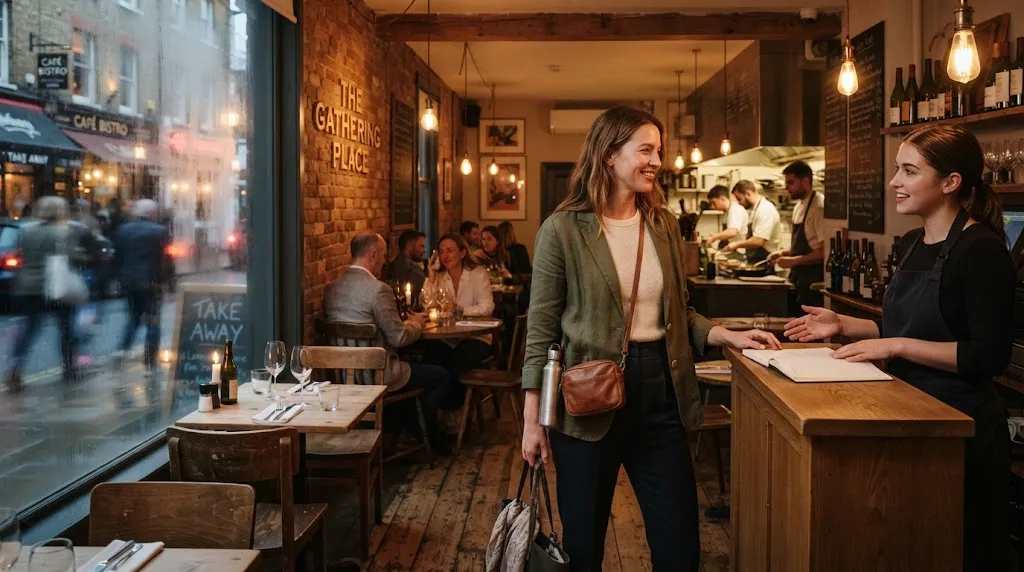
Reserve restaurants where availability matters or where missing the meal would disappoint you. Keep ordinary meals flexible unless local demand makes reservations necessary.
Prioritize limited or important dining experiences
I look at the restaurant’s official booking page before relying on social media advice. Reservation rules can change faster than old travel posts.
These are the meals I would consider booking first:
- Fine-dining or tasting-menu restaurants
- Small restaurants with limited seating
- Chef’s counters or omakase-style experiences
- Restaurants connected to a special occasion
- Popular weekend dinner slots
- Restaurants with limited opening days
- Dining experiences that require prepayment
The MICHELIN Guide restaurant directory can be useful when researching destination restaurants. Its current restaurant search includes filters for price, cuisine, online booking, and solo dining in supported markets.
Leave easy meals flexible
Breakfast, casual lunch, markets, bakeries, food halls, and counter-service restaurants often give me useful breathing room. I like knowing that not every meal has a clock attached to it.
Flexible meals also help when sightseeing runs late. They give you room to respond to weather, fatigue, transport delays, or a recommendation you receive after arriving.
Be careful with arrival-day reservations
I rarely make an important reservation shortly after an international flight. Immigration lines, baggage delays, airport transportation, and hotel check-in can all take longer than expected.
If I want a first-night reservation, I make it forgiving:
- Choose somewhere close to the accommodation.
- Allow several hours between expected arrival and dinner.
- Avoid expensive non-refundable bookings.
- Save an easier backup nearby.
A relaxed neighborhood dinner can be much more enjoyable than racing through an unfamiliar city because a deposit is hanging over you.
Think carefully about the final night too
Your last evening can be a great time for a special restaurant. Just check how it fits with packing, early transportation, or a morning flight.
I don’t want a midnight return from dinner before a 5 a.m. airport departure. That is usually a poor trade.
Section Takeaway: Reserve the experiences that are difficult to replace. Keep ordinary meals flexible so your itinerary still has space to breathe.
How Far Ahead Should a Solo Traveler Book Restaurants?
There is no universal restaurant reservation window. Some venues release tables months ahead, while others open bookings only days in advance or accept walk-ins.
I use a planning range rather than assuming every restaurant follows the same system.
| Restaurant type | When I start checking | What matters most |
|---|---|---|
| Major destination restaurant | 30-60 days before | Confirm its actual release schedule |
| Popular weekend dinner | 2-4 weeks before | Check Friday and Saturday demand |
| Good neighborhood restaurant | 2-7 days before | Keep the time flexible |
| Casual restaurant | Same day or walk-in | Check local meal times |
These are planning ranges, not restaurant rules. Always use the restaurant’s published booking window when one exists.
Check local dining times
A reservation time that feels normal at home may be unusually early or late elsewhere. Research the destination’s general dining rhythm before building your evening around familiar habits.
Early reservations can sometimes feel easier when I’m dining solo. Restaurants may be quieter, transport may be simpler, and I still have plenty of evening left afterward.
Use alerts or waitlists when available
If your preferred time is unavailable, don’t immediately rebuild the entire day. Check whether the booking system offers notifications or a waitlist.
You can also try:
- A slightly earlier reservation
- A later reservation
- Lunch instead of dinner
- Counter or bar seating
- Another weekday
- Calling the restaurant directly
A restaurant showing no table for one online does not always mean solo guests are unwelcome. The online inventory may simply be configured differently.
How Should You Make a Restaurant Reservation for One?
Book for one guest from the beginning and use the restaurant’s official channel whenever possible. That keeps the party size, policy, and confirmation clear.
I never book for two with the intention of arriving alone. It can create seating problems and may conflict with a restaurant’s cancellation or deposit rules.
Compare the main reservation methods
| Booking method | Best use | What to verify |
|---|---|---|
| Restaurant’s official website | First choice when available | Date, time, party size, cancellation terms |
| Reservation platform | Comparing real-time availability | Card holds, deposits, account details |
| Phone or restaurant messaging | When one-person inventory is unclear | Written confirmation if possible |
| Hotel concierge | Language barriers or local booking systems | Cancellation responsibility and booking name |
| Walk-in | Flexible casual meals | Peak times and possible wait |
Platforms differ by destination. OpenTable is one option in supported markets, while TheFork is widely used in parts of Europe and Australia.
What should you say when booking directly?
Keep the request simple. You don’t need to explain why you’re traveling or why you’re dining alone.
- Give the date.
- Give your preferred time.
- Say the reservation is for one person.
- Ask whether counter or table seating is available if you care.
- Mention genuine dietary requirements.
- Ask for the cancellation policy if it isn’t clear.
If there is a language barrier, I keep the message short enough for a translation tool. Complicated explanations create more opportunities for misunderstanding.
Should you request bar or counter seating?
Counter seating can feel comfortable because there isn’t an empty chair opposite you. It may also give you something to watch while you eat.
However, you don’t have to accept a bar seat simply because you’re alone. If you prefer a regular table, ask whether one is available.
I also check the type of seating before confirming. A restaurant’s “counter” might mean a chef’s counter, communal bar, window seat, or traditional drinking bar.
Section Takeaway: Book honestly for one person and prioritize clear confirmation over clever booking tricks. The best reservation is the one whose time, seating, cost, and cancellation terms you understand.
What Should You Check Before Going to Dinner Alone?
Before dinner, confirm the reservation and plan the return journey. Those two checks remove most of the avoidable logistics from a solo evening.
Review the booking details
- Restaurant name and exact address
- Date and local time
- Party size of one
- Seating type
- Deposit or prepayment status
- Cancellation deadline
- Dress requirements, if stated
- Dietary notes you submitted
I save the confirmation somewhere I can access without searching through a crowded inbox. A screenshot can also help when mobile data is unreliable.
Plan the journey home before leaving
This matters more to me than choosing the perfect table. I want to know my preferred return method and one reasonable backup.
- Check when public transportation stops.
- Save your accommodation address offline.
- Keep enough phone battery for navigation.
- Have another payment method available.
- Know where legitimate taxis or ride services operate.
If the restaurant requires an isolated late-night walk that I’m not comfortable making, I would choose another time or restaurant. A famous dinner isn’t worth building an awkward return journey around.
Pro tip: For international travel, check current local laws, transportation guidance, and conditions through your government’s official travel advisory before departure.
Protect valuables without becoming preoccupied
I keep my phone, wallet, and accommodation key controlled rather than scattered across the table. I also avoid leaving valuables behind to “save” my seat.
If I need to step away, I take essential items with me. A scarf or inexpensive item can signal that the seat is occupied when appropriate.
Give yourself permission to leave
A reservation is not an obligation to remain somewhere that feels wrong. You can ask for the check, speak with staff, or leave if circumstances change.
Solo travel works best when plans remain tools rather than rules.
Section Takeaway: Confirm the reservation, understand the journey back, and keep control of your essentials. Good dinner planning should make the evening easier, not make you feel trapped by the booking.
How Do You Handle Deposits, Cancellations, and Changed Plans?
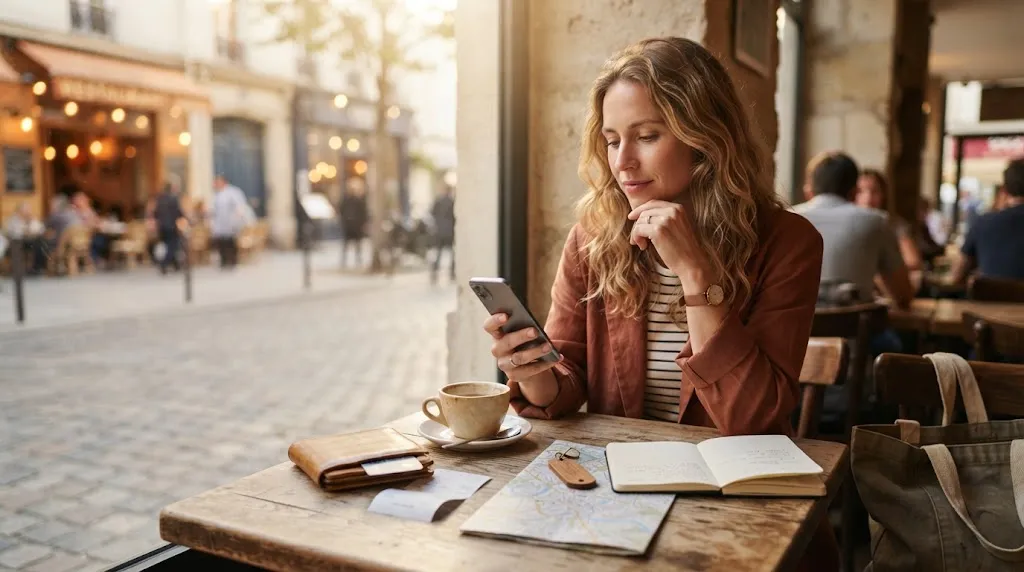
Read the restaurant’s cancellation policy before booking and cancel promptly when you know you cannot attend. Policies differ between restaurants and booking platforms.
As of 2026, some restaurants use card holds, deposits, prepayment, or no-show fees. The amount and deadline should come from the booking terms, not from assumptions.
Know what kind of payment you’re making
- Card guarantee: Your card may secure the reservation without paying for the meal immediately.
- Deposit: You may pay an amount when booking under the restaurant’s stated terms.
- Prepaid experience: Some special menus or events require advance payment.
- No card required: You still need to cancel if your plans change.
OpenTable’s current terms note that some restaurants require payment-card details and may apply their own cancellation policies. I therefore read the final booking screen before pressing confirm.
Don’t let a reservation control your whole day
A prepaid dinner can create psychological pressure. You may feel you have to keep the plan even when you’re exhausted or the logistics no longer make sense.
I reduce that problem by limiting expensive reservations. One special dinner is easier to protect than five tightly scheduled meals.
Keep a restaurant backup list
I save two or three flexible options around the areas where I’m already spending time. They aren’t appointments.
Useful backups include:
- A restaurant near the hotel
- A food hall
- A well-reviewed casual café
- A market with prepared food
- A hotel restaurant
- Takeaway near a comfortable public area
If a reservation disappears, the evening still works. That’s the point of the backup.
Review tomorrow’s meal plan each evening
I take two minutes before bed to look at the next day’s fixed bookings. This catches forgotten reservations and lets me adjust the day around them.
- Check the time.
- Check the neighborhood.
- Estimate travel time.
- Review cancellation deadlines.
- Decide whether you still want the plan.
If I no longer want the reservation, I cancel while I still can. Flexibility is one of the biggest advantages of traveling solo.
Section Takeaway: Understand the financial commitment before booking and cancel responsibly when plans change. A small backup list keeps one canceled table from becoming a stressful evening.
Restaurant Reservation FAQ for Solo Female Travelers
Should I reserve every dinner when traveling alone?
No. Reserving every dinner can limit flexibility and make the itinerary feel crowded. I would reserve priority restaurants, busy weekend meals, and experiences that are difficult to replace while leaving several evenings flexible.
Is it okay to make a restaurant reservation for one person?
Yes. Search for one guest and book the available option that suits you. If a booking system doesn’t show one-person availability, contact the restaurant directly instead of reserving a larger table and arriving alone.
What if a restaurant only shows tables for two online?
Call, email, or message the restaurant and ask whether they accept solo diners. Online reservation inventory doesn’t always represent every possible seat, especially when counters, communal tables, or walk-in spaces are managed separately.
Is lunch easier than dinner for a first solo restaurant reservation?
Lunch can be a comfortable starting point because it often fits naturally into sightseeing and may finish before evening transportation becomes a concern. However, the best choice depends on the restaurant, destination, and your own comfort.
How many restaurant reservations should I make for a one-week solo trip?
There is no required number. For a seven-night trip, I might start with two or three priority reservations and keep the remaining meals flexible, then book more after arrival if I want extra structure.
Should I tell the restaurant that I’m traveling alone?
You usually only need to state that the reservation is for one guest. There is no need to provide personal travel details unless they are relevant to the booking, such as asking the restaurant or hotel to arrange legitimate transportation.
What should I do if I feel uncomfortable going to a reservation?
Review the cancellation terms, cancel if appropriate, and choose another meal plan. A reservation should never pressure you into ignoring a transportation, location, health, or personal comfort concern.
Restaurant reservations can make solo travel smoother when they give your day a useful anchor. They become less helpful when every meal turns into a deadline.
Start with one or two meals you genuinely care about. Check the location, booking terms, and return journey, then leave enough space to discover somewhere you never planned to eat.