How Can a Solo Female Traveler Avoid Common Tourist Scams?
Quick Answer
A solo female traveler can avoid common tourist scams by researching local tricks, using verified transportation, confirming prices before paying, and protecting personal information. Stay alert when strangers create urgency, offer unsolicited help, or request unusual payments. Follow the FTC’s travel scam prevention advice when booking trips and handling suspicious offers.
Six ways to protect yourself
- Research common scams: Check destination-specific warnings before leaving.
- Verify transportation: Use official taxi stands, trusted booking services, and confirmed ride details.
- Confirm every price: Ask about fares, extras, and payment methods before accepting a service.
- Protect your belongings: Keep valuables secure and use trusted ATMs.
- Set firm boundaries: Decline unwanted assistance without lengthy explanations.
- Keep backup options: Save emergency contacts, offline maps, and a separate payment method.
One rule worth remembering
- Pause before paying: If someone pressures you to act immediately, move somewhere safe and verify their claim independently.
Traveling alone gives me the freedom to explore at my own pace, but it also makes preparation essential. Tourist scams can turn an exciting afternoon into an expensive, stressful experience.
Fortunately, you don’t need to distrust everyone to protect yourself. This guide explains how solo female travelers can recognize common tricks, handle suspicious situations, and travel with greater confidence.
In This Guide
- How Can You Prepare Before Traveling Alone?
- What Are the Most Common Tourist Scams?
- How Can You Avoid Taxi and Transportation Scams?
- How Should You Handle Street Scams and Unwanted Attention?
- How Can You Protect Your Money and Online Bookings?
- What Should You Do If You Get Scammed Abroad?
- Frequently Asked Questions
How Can You Prepare Before Traveling Alone?
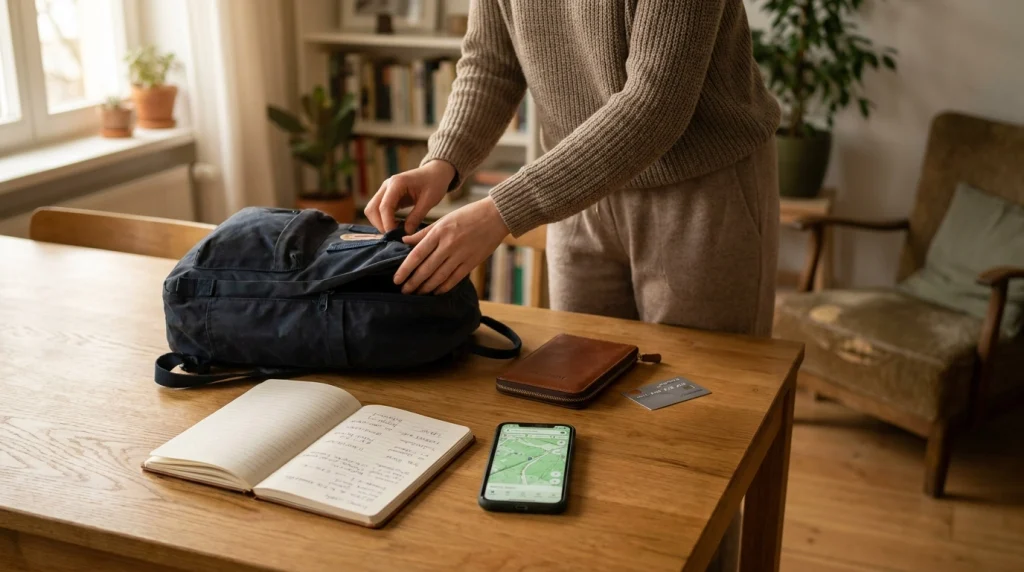
The most effective scam prevention often happens before you arrive. Researching local risks gives you a plan before anyone tries to pressure or confuse you.
A tourist scam is a deceptive scheme designed to take a traveler’s money, possessions, or personal information. It may involve fake services, inflated charges, impersonation, or misleading offers.
Research scams specific to your destination
Scammers sometimes target tourists because visitors may not understand local prices, transportation systems, or social customs. You can reduce that disadvantage with a little homework.
Before each trip, I recommend checking:
- Airport transportation: Official taxi counters, ride-hailing services, and typical fare structures.
- Popular attractions: Reports of fake guides, ticket sellers, and unsolicited assistance.
- Local payments: Common currencies, payment expectations, and ATM access.
- Tourist neighborhoods: Known areas where overcharging or pickpocketing may occur.
- Emergency services: Local police numbers and the nearest relevant embassy or consulate.
Use official government travel advice as your starting point. Then compare it with recent destination reports and trustworthy local information.
Pro tip: Check the U.S. Department of State’s international travel information or your own government’s travel advisory before departure.
Book your first night and arrival transfer carefully
Arriving in an unfamiliar city can feel overwhelming. The pressure increases when you’re tired, carrying luggage, and trying to find transportation.
I recommend arranging your first night’s accommodation before departure. Choose somewhere with a confirmed address, recent independent reviews, and a clear check-in procedure.
For airport transfers:
- Check the accommodation’s recommended transportation options.
- Compare them with the airport’s official transport information.
- Save the booking confirmation and address offline.
- Confirm any driver’s identity before entering the vehicle.
- Avoid accepting surprise offers from strangers in the arrivals hall.
A prearranged transfer isn’t automatically scam-proof. You still need to verify the vehicle and driver.
Prepare a small personal safety system
Good preparation doesn’t require expensive equipment. A few reliable backups can prevent a small problem from becoming a crisis.
- Download an offline map of your arrival area.
- Save your hotel’s name and address in the local language where helpful.
- Keep a backup payment card separate from your main wallet.
- Store digital copies of essential travel documents securely.
- Enable banking notifications and phone screen security.
- Share your itinerary with someone you trust.
- Learn a few polite refusal phrases in the local language.
Before leaving, I also suggest checking whether your mobile plan supports local data. Reliable connectivity makes independent verification easier.
Section Takeaway: Research local risks, confirm your arrival plans, and prepare backups. Small decisions before departure can prevent expensive mistakes later.
What Are the Most Common Tourist Scams?
Common tourist scams include fake attraction closures, overpriced taxis, distraction theft, misleading tours, and fraudulent accommodation listings. Many work by creating confusion, urgency, or false trust.
Not every unfamiliar sales practice is fraudulent. The warning sign is usually deception combined with pressure or an unreasonable demand.
Fake attraction closures
Someone near a famous attraction may claim it has closed for a holiday, private event, or unexpected maintenance. They might then offer to take you somewhere else.
Sometimes the suggested destination is a shop or overpriced tour that rewards the person for bringing customers.
If this happens, check the official attraction website or ask authorized staff. Don’t let an unsolicited stranger make the decision for you.
Friendship bracelets and unsolicited gifts
In some tourist areas, a person may place a bracelet in your hand or offer a flower. They may later demand payment for the supposed gift.
The safest response is to keep your hands close, decline clearly, and continue walking. Avoid allowing someone to attach an item to you.
Distraction and pickpocketing schemes
A person might spill something on your clothing, ask a confusing question, or create a sudden disturbance. An accomplice may attempt to steal valuables while your attention shifts.
These situations aren’t always scams, but they deserve caution. Secure your bag before responding to unexpected physical contact.
Fake guides and unofficial ticket sellers
Tourists may encounter individuals claiming that official tickets have sold out or that a guide is mandatory. They might offer an expensive alternative.
Buy admission through an attraction’s official channel or an authorized provider. Check whether guide services are optional before paying.
Currency confusion and incorrect change
Unfamiliar banknotes can make small transactions difficult. An unscrupulous seller might give incorrect change or exploit confusion between denominations.
I recommend reviewing local currency before your first cash purchase. Count change calmly before leaving the counter.
Compare common scams and preventive actions
| Scam type | Warning sign | Best response |
|---|---|---|
| Fake attraction closure | A stranger redirects you to another venue | Check official opening information |
| Taxi overcharging | Unclear fare or unexpected price changes | Use verified transport and confirm pricing |
| Friendship bracelet | An unwanted gift becomes a payment demand | Decline without accepting the item |
| Distraction theft | Unexpected commotion or physical contact | Secure belongings and move to safety |
| Fake accommodation | Unverified listing or off-platform payment | Verify the property and pay securely |
| ATM tampering | Loose card reader or suspicious attachment | Choose another trusted ATM |
Section Takeaway: Most tourist scams become easier to recognize when you look for unsolicited help, inconsistent information, and pressure to pay.
How Can You Avoid Taxi and Transportation Scams?
Solo female travelers can reduce transportation scams by using trusted operators, confirming fares, and checking vehicle details. Planning your route also makes unexpected detours easier to recognize.
Choose your taxi or ride carefully
Airport arrivals and busy transport hubs can attract unauthorized drivers. Some may claim official status without having the required authorization.
Use these checks whenever possible:
- Choose an airport-authorized taxi stand or a recognized booking service.
- Check the driver’s identification when available.
- Match the registration number and vehicle details with your booking.
- Confirm the fare, meter policy, or app pricing before departure.
- Follow your journey using a navigation app when practical.
- Share trip details with a trusted contact when appropriate.
A driver refusing to use a required meter is a warning sign. Where fixed-price rides are normal, agree on the amount before entering.
Watch for route and fare manipulation
Sometimes a driver suggests a more expensive route or an unexpected service charge. Other times, the explanation may be legitimate due to road closures or traffic.
Rather than immediately assuming fraud, compare the proposed change with your map. Ask the driver to explain any difference.
If something feels seriously unsafe, prioritize reaching a populated, secure place. Arguing over money inside an isolated vehicle can increase risk.
Be careful with unofficial transport helpers
Someone may approach you at a station claiming the ticket office moved or your original transport is unavailable. They might direct you toward an overpriced service.
Verify the information at an official counter or through the operator. Don’t hand over your ticket or passport to an unverified helper.
Plan transportation after dark
Nighttime travel deserves more preparation because unfamiliar surroundings may be harder to assess. The appropriate precautions depend on local conditions.
For evening journeys, I suggest:
- Booking a trusted ride before leaving your accommodation.
- Waiting indoors until your vehicle arrives when possible.
- Avoiding isolated pickup locations.
- Keeping your phone charged and accessible.
- Checking your destination address before departure.
For example, imagine arriving at an unfamiliar station at 10 p.m. with two drivers offering conflicting prices.
I would avoid deciding under pressure. I’d move to an official taxi desk or other staffed area and verify my options.
Section Takeaway: Verify the driver, vehicle, route, and fare before committing. If a situation feels unsafe, personal security matters more than winning a price dispute.
How Should You Handle Street Scams and Unwanted Attention?
The safest response to an unwanted street approach is usually brief, calm, and firm. You don’t owe strangers your time, travel plans, or personal information.
Learn to say no without explaining
Many travelers feel pressured to remain polite. Unfortunately, prolonged conversations can create more opportunities for unwanted sales tactics.
Short responses work well:
- “No, thank you.”
- “I already have a booking.”
- “I’m not interested.”
- “I’ll check with the official office.”
- “Please leave me alone.”
You don’t need to justify your refusal. Walk toward a staffed shop, hotel, or busy public area if someone continues following you.
Protect personal information in casual conversations
Friendly interactions are one of the joys of solo travel. Still, there is a difference between conversation and sharing information that could make you vulnerable.
Be cautious about revealing:
- Your exact room number or accommodation details.
- Whether anyone expects you back that evening.
- Your complete itinerary and departure plans.
- How much cash you’re carrying.
- Your live location or private contact details.
You can enjoy meeting people without sharing these details. A general response about your travel plans is often sufficient.
Recognize emotional pressure
Some scams rely on guilt rather than intimidation. A stranger might tell a touching story before asking for money or purchases.
Compassion matters, but you can choose how to help. Supporting a verified local organization is often safer than responding to urgent demands.
What if someone becomes aggressive?
Do not physically confront someone over a small amount of money. Move toward people who can provide assistance.
If you face threats, harassment, or attempted theft:
- Move to a populated, well-lit location if possible.
- Seek help from identifiable staff or emergency services.
- Avoid following the person into an isolated area.
- Protect yourself rather than trying to recover an item by force.
- Report the incident when you are somewhere safe.
Women traveling alone may encounter harassment that has nothing to do with a financial scam. Treat threats and coercion as safety issues, not merely uncomfortable sales encounters.
Pro tip: Review official destination-specific safety advice before traveling. Local laws, police procedures, and emergency contact numbers vary.
Section Takeaway: Firm boundaries are a practical travel skill. Be friendly by choice, not because a stranger pressures you into continuing an interaction.
How Can You Protect Your Money and Online Bookings?
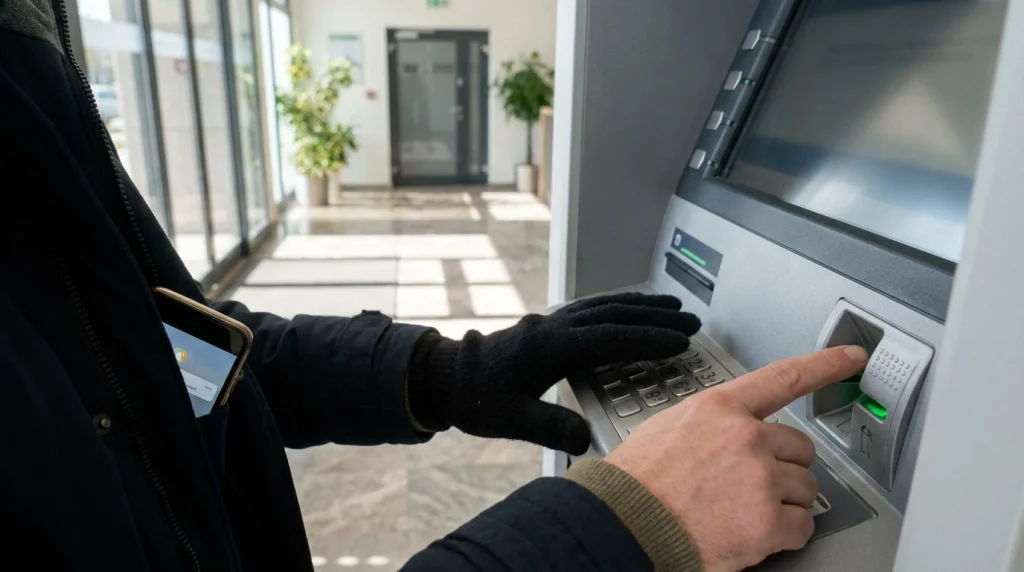
Protect your money by using reputable booking platforms, independently verifying payment requests, and monitoring financial accounts. Digital scams can begin before your trip or while you’re abroad.
Watch for fake hotel and accommodation listings
A fake listing may use attractive photographs, unusually low prices, or copied property details. Some scammers advertise real properties without permission.
Before booking:
- Compare the address across independent sources.
- Read recent reviews, including negative ones.
- Check whether the host or property has a credible history.
- Review cancellation policies and required charges.
- Use the platform’s official payment process.
- Contact the property through verified contact information when uncertain.
Be especially cautious if a host unexpectedly requests payment through a messaging app, cryptocurrency, gift card, or wire transfer.
The FTC explains how fraudulent rental listings and deceptive travel websites work in its travel website scam guidance.
Protect yourself from fake payment messages
Scammers can imitate airlines, accommodation providers, and transportation services. Their messages may claim your booking will be canceled unless you pay immediately.
Never treat an unexpected message as proof that payment is required. Open the company’s official app or website independently.
For example, suppose you receive a text requesting an urgent $75 payment to keep your hotel reservation. Don’t click the supplied link before checking with the property.
A familiar company name or convincing logo doesn’t establish that the message is genuine.
Use ATMs and cards carefully
ATMs can be convenient abroad, but travelers should watch for tampered equipment and unauthorized assistance.
Follow these precautions:
- Prefer ATMs inside banks or other secure, monitored locations.
- Inspect the card slot and keypad for obvious irregularities.
- Cover your PIN when entering it.
- Decline help from strangers while withdrawing money.
- Use transaction alerts where available.
- Keep another payment option in a separate location.
When a payment terminal offers currency conversion, compare the exchange-rate terms before accepting. Choosing local currency often avoids the merchant’s conversion markup, although your card’s own fees may still apply.
Avoid suspicious travel discounts
As of 2026, travelers should also watch for fraudulent booking advertisements and websites that impersonate legitimate companies. A prominent search advertisement isn’t proof of authenticity.
The FTC’s June 2026 travel scam alert specifically warns about misleading travel websites and fake company contact details.
Look for these warning signs:
- A deal far cheaper than comparable offers.
- Pressure to reserve immediately.
- Requests for passwords or one-time verification codes.
- Payment instructions that change unexpectedly.
- A website address that imitates a familiar brand.
- Missing or unclear refund terms.
A useful rule is to verify the seller independently before entering payment details. That extra check can save far more than a tempting discount.
Keep your phone and online accounts secure
Your phone may contain boarding passes, banking apps, accommodation details, and emergency contacts. Protecting it is part of financial safety.
Enable screen locking and multifactor authentication for important accounts. Keep recovery information in a secure location separate from your phone.
Avoid accessing sensitive financial accounts through unfamiliar shared devices. If you must use public Wi-Fi, prefer secure official apps and websites.
Section Takeaway: Verify bookings and unexpected requests through independent official channels. Protect both your payment methods and the devices used to access them.
What Should You Do If You Get Scammed Abroad?
If you become the victim of a tourist scam, first get somewhere safe. Then protect your accounts, document what happened, and contact the relevant authorities or service providers.
Even careful travelers can encounter sophisticated scams. Your priority should be limiting the damage rather than blaming yourself or confronting the offender.
Take immediate steps after the incident
- Reach safety: Leave the situation and seek help from trusted staff or local emergency services if needed.
- Secure your finances: Freeze affected cards and contact your bank through its official number or app.
- Protect your accounts: Change compromised passwords and secure account recovery methods.
- Record evidence: Save receipts, screenshots, messages, and transaction details.
- Report the incident: Contact local police when appropriate and request a reference number.
- Contact your insurer: Check whether your policy covers the particular loss and what documentation is required.
Don’t delay contacting your bank if your card information may have been stolen. The sooner you report suspicious transactions, the sooner the provider can advise on protective steps.
What if your passport or phone is stolen?
A stolen passport can affect accommodation check-ins, border procedures, and return travel. Contact the relevant embassy or consulate for replacement document instructions.
If your phone disappears, use another trusted device to secure your accounts. Contact your mobile provider about suspending the SIM or eSIM if necessary.
Keep copies of travel documents and contact details in a protected backup location. Avoid storing everything in one unlocked device.
Can you recover money lost to a travel scam?
Recovery depends on how you paid, the circumstances, and the provider’s policies. Credit cards may offer dispute rights that cash and irreversible transfers do not.
Contact the payment provider promptly and describe the transaction accurately. Keep evidence of the original offer, your payment, and any communication afterward.
U.S. consumers can report suspected fraud through ReportFraud.ftc.gov. Travelers elsewhere should use their local consumer protection or law enforcement reporting channels.
How can you regain confidence afterward?
A scam can leave you feeling anxious, embarrassed, or reluctant to continue exploring. Those reactions are understandable, especially when you’re traveling alone.
Give yourself time to reassess your plans. You might spend the next afternoon in a familiar neighborhood or choose an organized activity.
Review what happened without assuming you should have predicted everything. Focus on the practical changes that will make your remaining journey safer.
Section Takeaway: Safety comes first, followed by financial protection and reporting. A difficult incident doesn’t have to define the rest of your trip.
Frequently Asked Questions
Are solo female travelers more likely to be targeted by scams?
Solo travelers may attract attention because they’re navigating unfamiliar places without a companion. However, scam risk varies by location, situation, and the tactics used.
There isn’t a universal rule that women traveling alone experience more financial scams than other tourists. Research, firm boundaries, and verified services help reduce exposure.
How can I tell if a local person is genuinely trying to help?
Genuine assistance usually allows you to decline without pressure. Be cautious when someone insists you follow them, share private information, or pay immediately.
Verify important claims with official staff. You can accept kindness while keeping control over your decisions.
Should I carry cash while traveling alone?
Carrying a modest amount of local currency can help with small purchases and emergencies. Avoid keeping your entire travel budget in one wallet.
Use trusted ATMs and separate your backup payment method. Check whether cash or cards are more practical at your destination.
What should I do if a taxi driver demands extra money?
Ask calmly for an explanation and compare the charge with your confirmed fare. Avoid escalating a disagreement inside an isolated vehicle.
If you feel threatened, prioritize reaching a safe location. Record the vehicle details and report suspected misconduct afterward.
Are travel booking websites always safe?
No booking website is automatically risk-free. Scammers may create convincing copies of legitimate platforms or post fraudulent listings through familiar services.
Check the web address, seller details, payment method, and recent reviews. Confirm unexpected requests through official channels before paying.
How do I avoid scams when I don’t speak the local language?
Download offline translation tools and learn basic phrases for prices, directions, and declining offers. Keep important addresses written in the local language.
Use official information and avoid making rushed financial decisions during confusing conversations. Translation apps can help, but independent verification remains important.
Can travel insurance cover losses from tourist scams?
Some travel insurance policies cover certain theft-related losses, but ordinary financial scams may be excluded. Coverage depends on the policy wording and circumstances.
Read the exclusions, reporting deadlines, and documentation requirements before traveling. Never assume that every fraudulent transaction qualifies for reimbursement.
Final Takeaway: Travel Confidently Without Trusting Every Offer
Learning how a solo female traveler can avoid common tourist scams doesn’t mean becoming suspicious of everyone. It means knowing when to verify information, protect your belongings, and say no.
I believe one of the most valuable solo travel skills is recognizing when an ordinary interaction starts to feel pressured. You can remain curious, open-minded, and friendly without surrendering your personal boundaries.
Before your next trip, research common local scams, plan your arrival, and save backup payment and emergency information. During your journey, pause whenever a stranger creates unnecessary urgency.
Travel with curiosity, prepare with care, and trust yourself to walk away from situations that don’t feel right.
Start your next solo adventure with a simple promise to yourself: you’ll explore freely, but you’ll never let someone else rush an important safety or financial decision.