How Many Liters Should a Carry On Backpack Be for Travel Success
Choosing the right size carry on backpack is key to smooth travel. This guide explains how many liters a carry on backpack should be, helping you pack efficiently while meeting airline rules. Learn practical tips to pick the perfect backpack size for your next adventure.
Key Takeaways
- Ideal size range: Most carry on backpacks work best between 30-45 liters for balance of capacity and airline compliance.
- Airline restrictions: Size limits vary, so check carry on dimensions before choosing your backpack’s liter capacity.
- Packing style matters: Minimalist packers need less volume, while longer trips require bigger backpacks.
- Comfort and weight: Larger liters mean more weight; choose a size that stays comfortable for you.
- Expandable options: Some backpacks offer extra space for added flexibility on trips.
- Organizational features: Compartments and pockets help maximize use of your backpack’s liters.
- Test before travel: Practice packing to ensure your backpack fits airline rules and your needs.
How Many Liters Should a Carry On Backpack Be for Travel Success
Traveling light is an art, and choosing the right carry on backpack size is one of the first steps to mastering it. If you’ve ever struggled with bulky luggage or last-minute gate check fees, knowing how many liters your carry on backpack should be can save you stress and money. This guide walks you through everything you need to know about selecting the perfect backpack size for carry on travel.
Understanding Carry On Backpack Capacity
Backpack size is measured in liters, which refers to the total volume the bag can hold. This measurement helps you understand how much gear, clothes, and essentials you can fit inside. But what’s the right number of liters for a carry on backpack? The answer depends on airline rules, trip length, and your personal packing style.
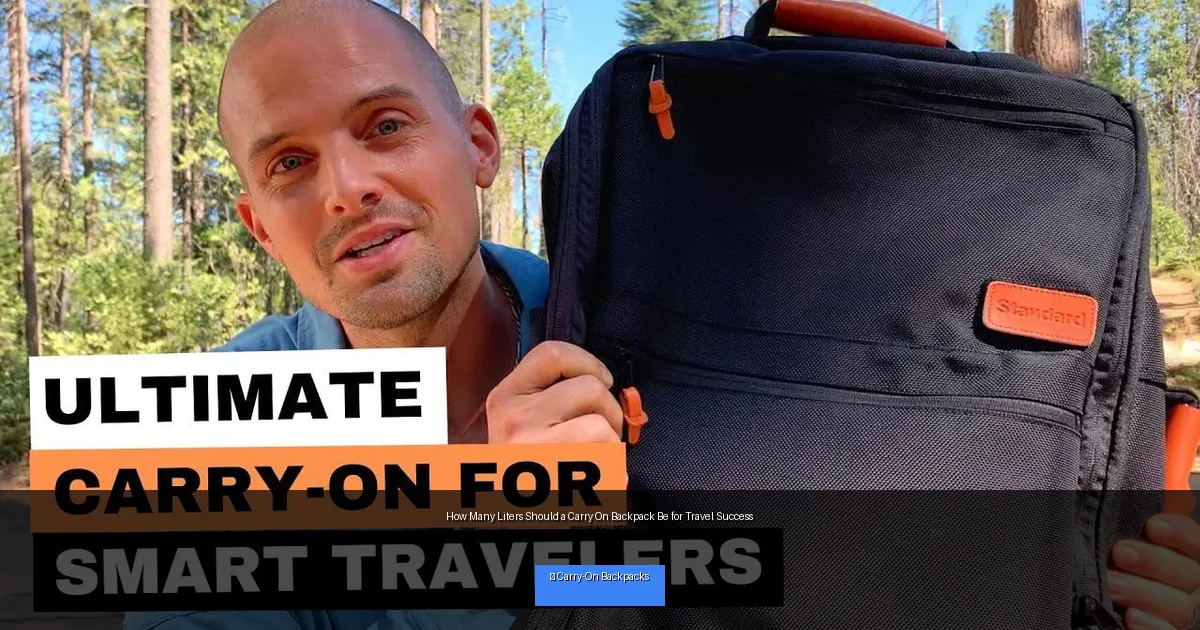
Visual guide about How Many Liters Should a Carry On Backpack Be for Travel Success
Image source: img-s-msn-com.akamaized.net
Step 1: Know Airline Carry On Size Restrictions
Check Dimensions, Not Just Liters
Each airline has specific maximum dimensions for carry on bags, usually listed in inches or centimeters. While liters tell you volume, the shape and size must fit within these limits. Most airlines allow carry ons around 22” x 14” x 9” (56 x 36 x 23 cm), which translates roughly to 30-45 liters in backpack volume.
Why This Matters
A backpack that’s too large, even if it’s light, might get rejected at the gate. Always verify your airline’s carry on policy before settling on a backpack capacity.
Step 2: Match Backpack Size to Trip Duration
Short Trips (1-3 Days)
For quick weekend or business trips, a 20-30 liter backpack often suffices. It forces you to pack light and only bring essentials.
Medium Trips (4-7 Days)
Trips lasting up to a week usually require 30-40 liters. This size accommodates more clothing layers and personal items without bulk.
Longer Trips (7+ Days)
For longer travel, 40-45 liters or slightly more might be needed. However, if you plan to do laundry during the trip, you can keep the size smaller.
Step 3: Consider Your Packing Style
Minimalist Packers
If you prefer traveling light, a smaller backpack around 25-30 liters encourages less clutter. It also reduces weight and increases mobility.
Comfort Seekers
If you like to carry multiple outfits, electronics, or travel gear, aim for 35-45 liters. The extra space allows comfortable organization and reduces the need to cram items.
Step 4: Look for Features That Maximize Space
Expandable Backpacks
Some backpacks have expansion zippers that increase capacity by 5-10 liters. This feature is handy if you expect to bring back souvenirs or need flexibility.
Organizational Compartments
Multiple pockets and compartments help you use space efficiently. Keeping items separated also makes packing and unpacking easier.
Step 5: Test Your Backpack Before Travel
Pack a Trial Load
Before your trip, pack your backpack fully to assess if the volume feels right and if the bag fits carry on requirements. Adjust your packing list accordingly.
Try It On
Wear the backpack loaded to simulate travel conditions. Check for comfort and balance. A backpack that’s too large or heavy can cause discomfort during long walks or airport navigation.
Practical Tips for Choosing Carry On Backpack Size
- Always check your airline’s latest carry on size rules. Even small differences in allowed dimensions can affect whether your backpack is accepted.
- Choose lightweight backpacks. A larger backpack adds weight even when empty.
- Consider your travel style. If you prefer frequent outfit changes, pack a bigger backpack.
- Think about the climate. Bulky winter gear requires more space than summer clothes.
- Remember security checks. Easy access compartments help you pass through airport screening quickly.
Troubleshooting Common Issues
Backpack Too Big to Board
If your backpack exceeds airline carry on size limits, you may have to gate-check it, losing the convenience of carry on luggage. To avoid this, measure packed bags and stick to the recommended liter range.
Not Enough Space
Running out of room mid-pack? Reassess your packing list. Swap bulky items for multipurpose gear. Consider compression packing cubes to save space.
Uncomfortable Fit
If your backpack feels heavy or awkward, try adjusting the straps or switching to a model with better padding and support designed for the weight you carry.
Conclusion: Picking the Perfect Carry On Backpack Size
Choosing how many liters a carry on backpack should be is about balancing capacity, airline rules, and your personal travel needs. For most travelers, a backpack between 30-45 liters hits the sweet spot. It offers enough room for essentials without risking oversize fees or discomfort. Remember to check your airline’s size restrictions, pack smart, and test your backpack before your trip. With the right size carry on backpack, you’ll enjoy a smoother, more successful travel experience every time.
🎥 Related Video: How To Measure Luggage Size And Weight? – Travel With A Backpack
📺 Travel With A Backpack
How To Measure Luggage Size And Weight? Are you ready to get your luggage prepared for your upcoming backpacking trip?