How Hiking Shoes Should Fit for Ultimate Comfort and Support
How hiking shoes should fit is key to enjoying your outdoor adventures without pain or injury. This guide covers everything from measuring your feet to testing your shoes, ensuring ultimate comfort and support with every step.
Key Takeaways
- Proper fit prevents injuries: Ill-fitting hiking shoes can cause blisters, foot pain, and long-term damage.
- Measure your feet accurately: Always measure your feet at the end of the day when they are the largest.
- Consider toe room and heel fit: Your toes need space to move, but your heel should stay snug without slipping.
- Try shoes with hiking socks: Wear the socks you plan to hike in when trying shoes for the best fit.
- Test shoes with a hiking simulation: Walk on different surfaces and slopes to check comfort and support.
- Break in your shoes gradually: Avoid discomfort by breaking in new hiking shoes before long hikes.
- Replace shoes when worn out: Old shoes lose support and cushioning, risking injury.
How Hiking Shoes Should Fit for Ultimate Comfort and Support
If you love hiking, you know that the right shoes can make or break your experience. But how hiking shoes should fit is often overlooked. Wearing shoes that fit poorly can cause blisters, discomfort, and even injuries. This guide will teach you everything about getting the perfect fit for your hiking shoes, so your feet stay happy and supported on the trail.
Step 1: Measure Your Feet Correctly
Before you even try on hiking shoes, you need to know your accurate foot size. Feet can change size throughout the day and with age, so measuring properly is essential.
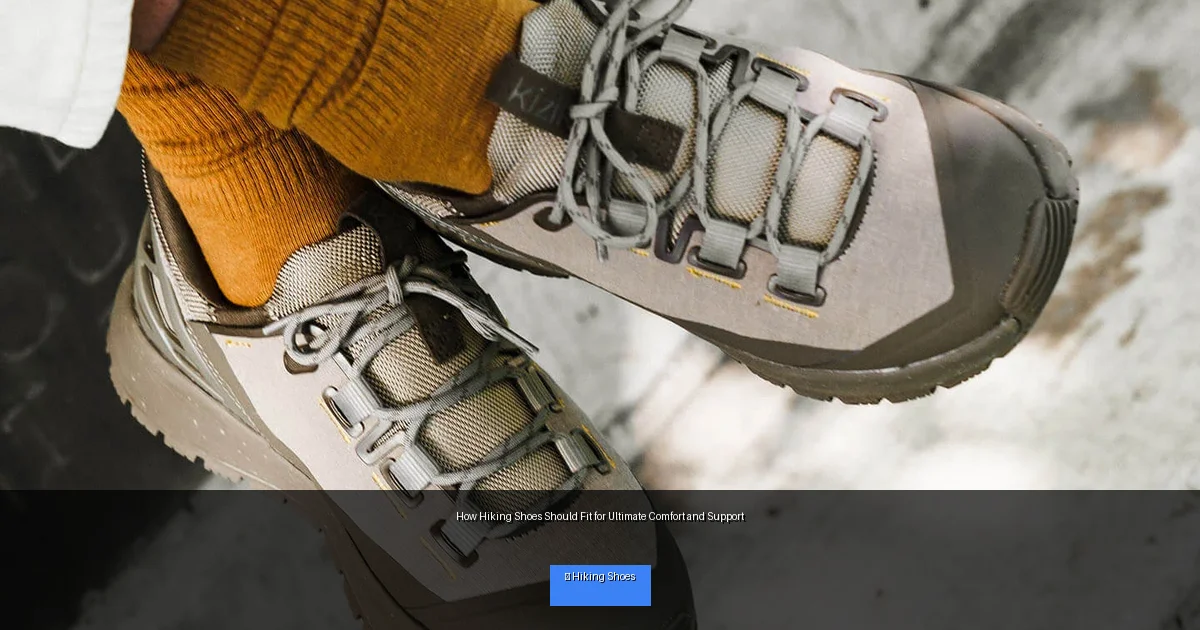
Visual guide about How Hiking Shoes Should Fit for Ultimate Comfort and Support
Image source: kizik.com
When to Measure
Measure your feet in the late afternoon or evening. Feet tend to swell during the day and will be at their largest then. Measuring in the morning might give you a smaller size than you actually need.
How to Measure
- Place a piece of paper on a flat surface against a wall.
- Stand on the paper with your heel touching the wall.
- Mark the longest part of your foot on the paper (usually the big toe or second toe).
- Measure the distance from the wall to the mark in inches or centimeters.
- Repeat for the other foot; use the larger measurement when selecting shoes.
Additional Tips
Measure both length and width. Some people have wider feet and may need hiking shoes with a wider fit. Knowing both dimensions helps find the best shoe.
Step 2: Understand Key Fit Areas of Hiking Shoes
Knowing how hiking shoes should fit requires understanding the critical zones of the shoe that affect comfort and support.
Toe Box
Your toes need enough room to wiggle but shouldn’t slide around. A tight toe box causes blisters and black toenails, while too much space leads to instability.
Heel
The heel should fit snugly to avoid slipping, which can cause blisters and reduce control on rough terrain.
Arch Support
Good hiking shoes provide arch support that matches your foot type (low, medium, or high arches). This support reduces foot fatigue and improves stability.
Midfoot
The midfoot area should hold your foot firmly without pressure points. Lacing systems help achieve this by evenly distributing pressure.
Step 3: Try on Hiking Shoes with the Right Socks
Always try hiking shoes with the socks you plan to wear on the trail. Hiking socks are thicker than regular socks and affect fit.
Choosing Socks
Use moisture-wicking socks designed for hiking. Avoid cotton socks, which hold moisture and increase friction.
Why It Matters
Shoes that feel roomy with thin socks might be too tight with hiking socks. Trying shoes with the right socks ensures a true fit.
Step 4: Test the Fit in the Store or at Home
Don’t just stand still when trying hiking shoes. You need to simulate hiking conditions.
Walk Around
Walk on different surfaces if possible — carpet, tile, or even a hill. Pay attention to any pressure points or slipping.
Check Toe Space
Make sure you have about a thumb’s width of space between your longest toe and the shoe’s front. This prevents toes from hitting the shoe during downhill hiking.
Heel Fit
Heel slip should be minimal. Lift your foot and walk or jog in place to see if your heel lifts out of the shoe.
Flex the Shoe
Hiking shoes should flex at the ball of the foot but be stiff enough to protect against sharp rocks.
Step 5: Break in Your Hiking Shoes Gradually
New hiking shoes need time to mold to your feet and for you to get used to their support.
Start Small
Wear your new shoes on short walks or easy hikes before tackling long or difficult trails.
Use Proper Lacing
Experiment with lacing techniques to reduce pressure points and improve fit.
Watch for Discomfort
If you notice hot spots or pain, address them early with socks, insoles, or adjustments before a big hike.
Troubleshooting Common Fit Issues
Shoe Too Tight
If your shoes feel too tight, consider going up half a size or choosing a shoe with a wider toe box. Thick hiking socks can add to tightness, so try thinner socks temporarily.
Heel Slipping
Heel slipping can cause blisters. Try different lacing methods like heel lock lacing to secure your heel better.
Blisters and Hot Spots
Blisters usually mean friction from fit or moisture. Use moisture-wicking socks and consider foot powders or blister prevention tape.
Foot Pain or Numbness
Persistent pain or numbness might indicate poor arch support or shoe shape mismatch. Try custom insoles or consult a specialist.
Step 6: Know When to Replace Your Hiking Shoes
Worn-out shoes lose cushioning and support, increasing injury risk.
Signs You Need New Shoes
- Worn tread and soles
- Visible midsole compression
- Uncomfortable fit that didn’t exist before
- Increased foot pain after hikes
Typical Lifespan
Most hiking shoes last 500-1000 miles depending on terrain and use.
Conclusion
Understanding how hiking shoes should fit is vital for comfort, safety, and enjoyment on the trail. By measuring your feet correctly, focusing on key fit areas, trying shoes with proper socks, and breaking them in properly, you ensure your hiking shoes support you every step of the way. Remember, well-fitted hiking shoes prevent injuries and make your adventures more fun. Happy hiking!