How Big Can A Carry On Backpack Be Find The Perfect Size Guide
Wondering how big a carry on backpack can be? This guide explains airline size limits, how to choose the perfect carry on backpack, and tips for packing smart. Learn the best dimensions and features to make your travel hassle-free and comfortable.
Key Takeaways
- Carry on backpack size limits vary: Most airlines allow backpacks around 22 x 14 x 9 inches, but always check specific airline rules before traveling.
- Volume matters: Carry on backpacks typically range from 20 to 40 liters, balancing space with airline compliance.
- Lightweight and compact designs are best: Choose backpacks with adjustable straps and multiple compartments for organization.
- Material and durability: Look for water-resistant, sturdy fabrics to protect your belongings.
- Measure carefully: Use a tape measure to confirm your backpack fits within carry on size restrictions.
- Packing smart helps: Organize essentials and avoid overpacking to stay within size limits.
- Check airline policies: Each airline can have unique carry on size and weight restrictions, so always verify before your trip.
How Big Can A Carry On Backpack Be? Find The Perfect Size Guide
Traveling with a carry on backpack is convenient, but knowing the right size is crucial. In this guide, you will learn exactly how big a carry on backpack can be according to airline rules, how to select the best size for your trips, and practical tips to pack efficiently. Whether you’re a frequent flyer or planning your first trip, this guide will help you find the perfect carry on backpack size without surprises at the airport.
Step 1: Understand Airline Carry On Size Limits
Every airline sets its own rules for carry on baggage size, and these often include backpacks. The first step is to know the typical size limits to avoid any check-in hassles or extra fees.
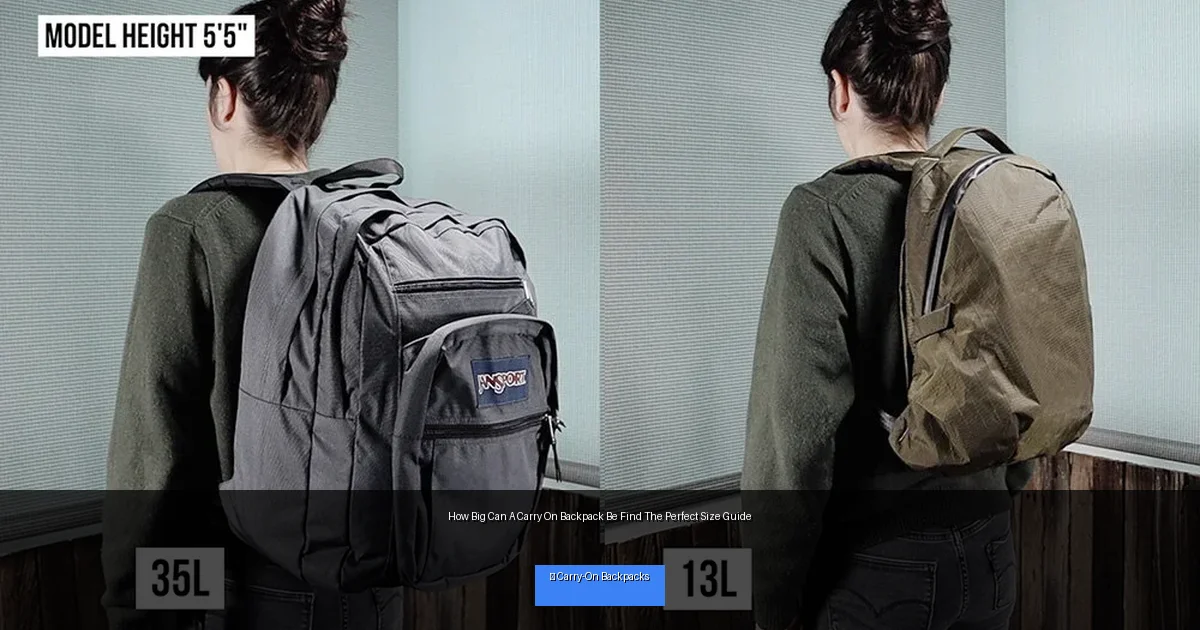
Visual guide about How Big Can A Carry On Backpack Be Find The Perfect Size Guide
Image source: images.squarespace-cdn.com
Typical Dimensions Allowed
Most major airlines allow carry on bags that measure around 22 inches tall, 14 inches wide, and 9 inches deep (56 x 36 x 23 cm). These dimensions are standard but can vary slightly depending on the airline.
Check Specific Airline Policies
Before you travel, visit your airline’s website to confirm their carry on size limits. Some budget airlines have stricter rules, sometimes reducing the maximum size by a few inches. For example:
- Delta Airlines: 22 x 14 x 9 inches
- American Airlines: 22 x 14 x 9 inches
- United Airlines: 22 x 14 x 9 inches
- EasyJet: 22 x 17.5 x 9.5 inches (slightly different)
Step 2: Consider Backpack Volume and Dimensions
Backpack size is measured both by external dimensions and volume in liters. Knowing both helps you pick the right backpack.
What Does Volume Mean?
Volume measures the backpack’s capacity. Carry on backpacks usually range from 20 liters to 40 liters. Smaller backpacks around 20-25 liters are great for short trips or minimalist packers. Larger ones up to 40 liters provide more space but may risk exceeding carry on limits if not packed carefully.
Balancing Size and Comfort
Choose a backpack that fits your body comfortably and meets carry on size limits. Adjustable shoulder straps and padded back panels improve comfort. Avoid backpacks that are too bulky or heavy when empty.
Step 3: Measure Your Backpack Correctly
To ensure your backpack qualifies as carry on, measure it precisely.
How to Measure
- Height: Measure from the bottom of the backpack to the top of the highest point (including handles or straps if they stick out during carry on checks).
- Width: Measure the widest part across the backpack.
- Depth: Measure from front to back at the thickest point.
Include External Features
Some backpacks have external pockets, straps, or water bottle holders that add to the overall size. Include these in your measurements as airlines consider the entire packed bag.
Step 4: Choose Features That Maximize Space and Convenience
Picking the right features can help you pack efficiently and stay within size limits.
Expandable Compartments
A backpack with expandable zippers can give you extra space when needed but be mindful that expanding might exceed airline carry on size limits.
Compression Straps
Compression straps help tighten the backpack’s shape, reducing overall bulk and keeping your items secure.
Multiple Compartments
Compartments help organize your belongings and optimize space. Some backpacks have dedicated laptop sleeves, water bottle holders, and front pockets for quick access.
Step 5: Pack Smart to Stay Within Size Limits
Even the perfect backpack can become too large if overpacked. Follow these tips to pack efficiently.
Use Packing Cubes
Packing cubes keep your items organized and compress clothes to save space.
Choose Lightweight Items
Opt for lightweight clothes and travel gear to avoid extra bulk and weight.
Limit Non-Essentials
Stick to essentials to prevent overstuffing. Remember, carry on backpacks are meant for convenience and quick access.
Troubleshooting: What If Your Backpack Is Too Big?
If your backpack exceeds airline size limits, try these solutions:
- Adjust Straps: Tighten compression straps to shrink the backpack’s size.
- Remove External Items: Take off external pockets or accessories that add bulk.
- Switch to a Smaller Backpack: If adjustments don’t work, consider downsizing to a more compact model.
- Check Airline Fee Policies: Some airlines charge fees for oversize carry ons, so it might be worth paying if needed.
Conclusion
Knowing how big a carry on backpack can be is key to smooth, hassle-free travel. By understanding airline size restrictions, measuring your backpack carefully, and packing smartly, you can find the perfect carry on backpack that fits your needs and the rules. Always check your airline’s policies before flying and choose a backpack that balances size, comfort, and functionality. Happy travels!