How Can a Solo Female Traveler Choose a Destination for a Two-Week Trip?
Quick Answer
A solo female traveler should choose a two-week destination by balancing safety, total budget, transportation, trip pace, social comfort, weather, and how much planning the destination requires. Start with three to five places you genuinely want to visit, check each destination using an official international travel planning source, then compare the practical details before booking.
A simple six-step method
- Choose your trip style: Decide whether you want cities, beaches, nature, culture, nightlife, relaxation, or a mixture.
- Check current safety: Review official advisories, local laws, transport concerns, common scams, and risks that affect women traveling alone.
- Calculate the full budget: Include flights, accommodation, food, local transport, activities, insurance, and an emergency reserve.
- Test the logistics: Look at airport transfers, public transport, travel times, language barriers, and how easily you can move between stops.
- Match your comfort level: Consider how independent, social, adventurous, or structured you want the trip to feel.
- Build a realistic itinerary: For 14 days, two or three bases usually give you more breathing room than changing hotels every other night.
If you’re wondering how can a solo female traveler choose a destination for a two-week trip, the hardest part usually isn’t finding beautiful places. It’s narrowing dozens of possibilities into one destination that fits your budget, confidence level, interests, and tolerance for logistics.
I find destination choice becomes much easier when I stop asking, “Where should I go?” and start asking, “What kind of two weeks do I want?” This guide walks through that decision step by step.
In This Guide
- What kind of two-week solo trip do you actually want?
- How do you evaluate a destination’s safety as a solo woman?
- What can you realistically afford for two weeks?
- How easy should your destination be to travel around?
- How should you compare your final destinations?
- Frequently asked questions
- Final takeaway
What Kind of Two-Week Solo Trip Do You Actually Want?

Start with the experience, not the destination. A place can look perfect online and still be completely wrong for the trip you want.
Solo female travel means traveling without a companion while independently managing your itinerary, transport, accommodation, safety decisions, budget, and daily activities.
Choose three priorities before looking at countries
Write down the three things you most want from the trip. That simple exercise removes many destinations immediately.
- Culture: Museums, historical areas, architecture, food, markets, and local traditions.
- Nature: Hiking, mountains, forests, national parks, wildlife, or scenic drives.
- Beach time: Swimming, islands, coastal towns, diving, or relaxed afternoons.
- Social travel: Hostels, group tours, walking tours, cooking classes, and nightlife.
- Rest: Slow mornings, cafés, spas, easy sightseeing, and fewer accommodation changes.
- Adventure: Trekking, kayaking, cycling, diving, road trips, or outdoor activities.
- Food: Street food, cooking classes, restaurants, markets, and regional specialties.
I also like to decide what I don’t want. Avoiding unwanted travel styles can be just as useful as choosing attractive ones.
If long overnight buses exhaust you, for example, a route requiring several of them may not suit this particular trip. That doesn’t make the destination bad.
Think about your energy for 14 days
Two weeks is long enough to go beyond one city. It’s also short enough that excessive moving can consume a surprising share of the trip.
A useful starting structure is:
- One base: Best for slow travel, language study, remote work, or deep city exploration.
- Two bases: Often ideal for travelers who want variety without constant packing.
- Three bases: Good when transport between stops is simple and reasonably short.
- Four or more bases: Better suited to travelers who genuinely enjoy fast-paced itineraries.
Remember that 14 calendar days rarely equal 14 sightseeing days. International flights, airport transfers, hotel changes, laundry, and simple fatigue all use time.
Consider the season before falling in love with a destination
Weather can change the personality of a trip. A destination known for beaches may feel completely different during heavy rain, extreme heat, or a storm season.
Also check daylight hours, local holidays, major festivals, school vacations, wildfire seasons, monsoons, and other seasonal conditions relevant to your shortlist.
High season may bring easier tours and a social atmosphere. It can also mean higher accommodation prices and heavier crowds.
Shoulder season can offer a useful compromise. Conditions may still be pleasant while demand is lower.
Section Takeaway: Choose the experience first. Then look for destinations that naturally deliver that experience within 14 days.
How Do You Evaluate a Destination’s Safety as a Solo Woman?
Don’t reduce safety to a single online ranking. Evaluate the specific risks you are likely to encounter and whether you can manage them comfortably.
The U.S. Department of State advises women travelers to research local customs, transportation practices, nearby emergency services, and destination-specific risks before departure.
Its guidance also recommends planning airport transportation in advance and making sure someone you trust knows your itinerary.
Pro tip: Check the latest official advisory for your nationality and destination shortly before booking and again before departure. Advisories and local conditions can change.
Look beyond the country’s overall reputation
Risk varies within the same country. One neighborhood, border region, island, or transportation route may have different conditions from another.
Research the places you will actually use:
- Arrival airport: How will you reach your accommodation, especially after dark?
- Accommodation neighborhood: Is it active after dinner, connected to transport, and convenient for your itinerary?
- Public transport: Are trains, metros, buses, ride-hailing services, or licensed taxis straightforward to use?
- Walking routes: Will you regularly walk through quiet areas late at night?
- Intercity travel: Do you need overnight buses, remote ferry terminals, or isolated stations?
- Tourist scams: Which scams commonly affect visitors, and how can you recognize them?
Research issues that affect women specifically
General crime information doesn’t tell the whole story for solo female travel safety. Local attitudes, harassment, dress expectations, and laws can influence your experience.
The State Department’s guidance for women travelers specifically recommends checking customs, women’s health considerations, transportation risks, and local emergency resources.
Questions I would research include:
- Is unwanted attention frequently reported in areas I plan to visit?
- Are there conservative clothing expectations?
- Are licensed taxis or ride-hailing apps commonly used?
- Are there laws affecting medications or personal safety items?
- Would I feel comfortable arriving alone after dark?
- Can I easily get help if my phone, passport, or wallet disappears?
Separate probability from inconvenience
A destination doesn’t need to be completely risk-free. No destination is.
The better question is whether the likely problems are ones you can reasonably prevent, manage, or recover from.
Pickpocketing in a busy tourist area, for example, calls for different planning than unreliable transportation through isolated regions. Both matter, but they affect itinerary decisions differently.
Build a basic safety system
- Keep digital copies of important documents.
- Save accommodation details offline.
- Know how you’ll get from the airport to your first hotel.
- Share your itinerary with a trusted person.
- Keep emergency money separate from your everyday wallet.
- Know the local emergency number.
- Learn how to contact your embassy or consulate when applicable.
- Keep your phone charged before long transport days.
U.S. travelers can also consider the Smart Traveler Enrollment Program, or STEP, for embassy alerts where relevant.
Section Takeaway: Evaluate the exact neighborhoods, transport systems, laws, customs, and situations you will encounter rather than relying on a vague national safety label.
What Can You Realistically Afford for Two Weeks?
Compare total trip cost rather than cheap hotel rates. Flights, transport, activities, insurance, and the way you personally travel can change the final number dramatically.
Build the budget in seven categories
- International transportation: Flights, baggage fees, airport transfers, trains, or ferries needed to reach the destination.
- Accommodation: Hotels, hostels, guesthouses, apartments, taxes, and resort or city fees where applicable.
- Food: Breakfast, lunch, dinner, snacks, coffee, alcohol, and occasional nicer meals.
- Local transportation: Metro tickets, buses, taxis, ride-hailing, rental cars, ferries, and intercity trains.
- Activities: Museums, tours, hikes, attractions, classes, nightlife, and entrance fees.
- Travel protection: Insurance and any health preparation relevant to your destination.
- Emergency reserve: Money you don’t plan to spend unless something goes wrong.
Use a planning range, not one perfect number
Before booking, I prefer three budget numbers: comfortable, maximum, and emergency. That makes decision-making much calmer.
Imagine your comfortable budget is $2,500 after flights. Your maximum might be $3,000, while a separate emergency fund remains untouched.
Those are planning examples, not destination price estimates. Your own range should reflect your income, travel style, currency, and current prices.
Watch for costs that hit solo travelers harder
Accommodation is usually charged by room rather than by person. That means you don’t have a companion splitting the cost.
Private guides, taxis, car rentals, and some tours can work the same way. This is sometimes called a solo supplement when providers charge a lone traveler more than the per-person cost paid by people sharing.
You can reduce those costs by mixing private rooms with hostels, joining group tours, using trains, and choosing destinations where public transport covers most of your itinerary.
Don’t ignore health preparation
The CDC recommends checking destination-specific travel health information and discussing relevant vaccines or medicines before international travel.
Its before-you-travel guidance suggests seeing a healthcare provider or travel-health specialist about four to six weeks before departure when destination-specific care is needed.
Pro tip: Health requirements and disease conditions can change. Verify current recommendations through official public-health sources rather than relying on an older blog post.
Section Takeaway: The right destination is one you can afford comfortably after counting the entire trip, not just the flight and hotel.
How Easy Should Your Destination Be to Travel Around?
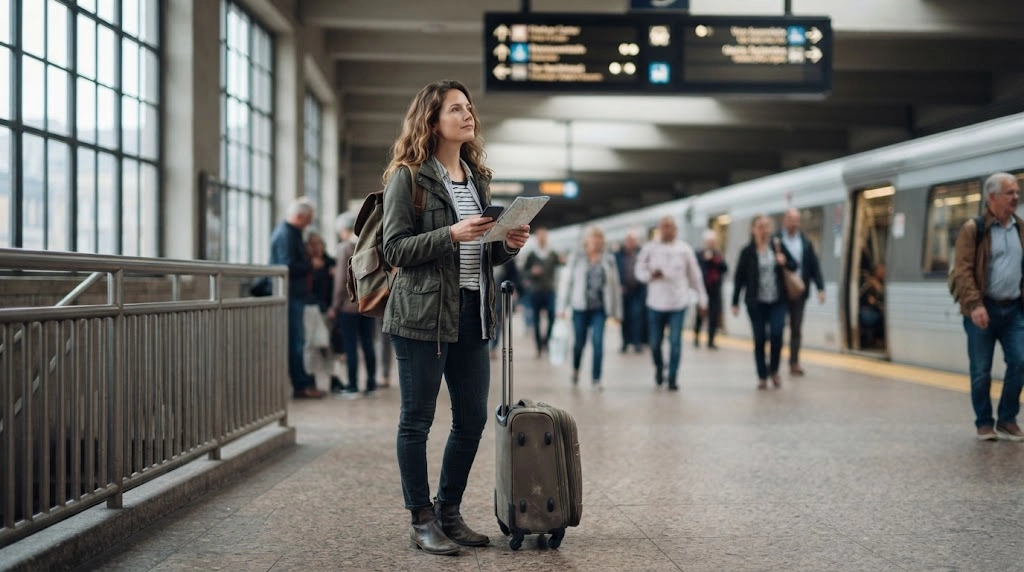
A beautiful destination can become exhausting when every day requires solving transport, language, payment, navigation, or booking problems. Decide how much logistical complexity you want.
First-time solo travelers may value simplicity
If this is your first long solo trip, easy logistics can free up energy for the emotional side of traveling alone.
Useful features may include:
- Reliable public transportation
- Clear airport connections
- Central accommodation options
- Easy online booking
- Good mobile-data coverage
- Plenty of organized day tours
- Walkable sightseeing areas
- Tourist information in a language you understand
These conveniences aren’t requirements. They simply reduce the number of decisions you need to make each day.
Experienced travelers may enjoy more complexity
If you’ve traveled alone before, you may enjoy destinations involving ferries, regional buses, language barriers, remote towns, or less-developed tourist infrastructure.
The key is intentionality. Complexity is fun when you chose it, not when it surprises you at 10 p.m. outside a closed bus station.
Check your arrival day carefully
Your first three hours often shape your first impression. Look at your expected arrival time before purchasing the cheapest flight.
A 1 a.m. landing can create extra challenges:
- Public transport may have stopped.
- Hotel reception might be closed.
- You may need a costly taxi.
- You’ll be navigating while tired.
- The neighborhood may feel different late at night.
Sometimes paying slightly more for a daytime arrival is worth it, especially on your first solo trip.
Measure transfers in time, not distance
Two destinations can look close on a map while taking most of a day to connect. Mountains, ferries, traffic, border crossings, or limited schedules can change everything.
Tools such as Rome2Rio can help you explore possible connections, although you should confirm schedules and ticket rules with the actual transport operator before paying.
Leave room for ordinary life
Fourteen days also includes laundry, grocery runs, calls home, slow breakfasts, weather delays, headaches, and mornings when you simply don’t want another museum.
I like leaving at least one lightly planned period every few days. It gives the trip room to breathe.
Section Takeaway: Match logistical difficulty to your experience and energy. A slightly easier destination can create a much better solo trip.
How Should You Compare Your Final Destinations?
Once you have three serious options, compare them using the same criteria. Don’t keep reading random inspiration articles until one magically feels perfect.
You can use a simple shortlist like this:
| Factor | Option A | Option B | Option C |
|---|---|---|---|
| Trip style | Cities + culture | Beach + relaxation | Nature + adventure |
| Comfortable bases | 2-3 | 1-2 | 2-3 |
| Transport complexity | Low | Medium | Medium-high |
| Social opportunities | Walking tours, hostels, classes | Tours, beach activities | Group hikes, outdoor tours |
| Budget fit | Check full 14-day cost | Check seasonal prices | Include activity costs |
| Current safety research | Verify before booking | Verify before booking | Verify before booking |
The labels above are examples showing how to structure your comparison. Replace them with your real destinations and research.
Use deal-breakers before preferences
Deal-breakers save time because they remove options instead of endlessly comparing small advantages.
Your deal-breakers might include:
- A total cost above your maximum budget
- A current official warning that changes your comfort level
- Extreme weather during your available dates
- A visa timeline that doesn’t work
- Transportation you aren’t comfortable using
- A trip style that doesn’t match your main goal
Then compare the daily experience
Picture an ordinary Tuesday in each destination, not just its most famous landmark. Where would you wake up, eat breakfast, spend the afternoon, get dinner, and return after dark?
This mental test often reveals more than a list of attractions.
A destination with ten spectacular sights may look unbeatable. Yet another destination might give you a calmer, easier, more enjoyable daily rhythm.
Check whether you’ll have ways to meet people
Traveling solo doesn’t mean being alone for 14 days. Look for social opportunities before you leave.
- Walking tours
- Hostel common areas
- Small-group day trips
- Cooking classes
- Language exchanges
- Food tours
- Group hikes
- Local workshops
A social hostel can help even if you prefer a private room. You get privacy at night without giving up the chance to meet other travelers.
Research enough to decide, then stop
Destination research can become a form of travel anxiety. Every extra review introduces another warning, opinion, or alternative.
Once a destination meets your main requirements, you don’t need proof that it is objectively the best place on Earth.
Resources such as Lonely Planet can help you understand destination basics and itinerary possibilities. Combine travel guides with current official information rather than relying on either type alone.
Do a final 24-hour booking check
Before paying for non-refundable reservations, review these items one final time:
- Check current government travel guidance.
- Review passport validity and entry requirements for your nationality.
- Confirm any visa or authorization requirements.
- Check current health guidance.
- Confirm seasonal weather patterns.
- Price your first three accommodation choices.
- Check airport-to-hotel transportation.
- Confirm your first intercity connection if applicable.
- Estimate the complete trip budget.
- Review cancellation terms and insurance coverage.
As of 2026, official travel guidance can change as security, health, entry, and local conditions change. Recheck important information shortly before departure rather than treating your original research as permanent.
Section Takeaway: Compare destinations using the same practical criteria, remove any that fail your deal-breakers, then choose based on the daily experience you want for those two weeks.
Frequently Asked Questions
What is the best type of destination for a first solo female trip?
A first-time solo traveler may find a destination with straightforward public transport, central accommodation, clear tourist infrastructure, and plenty of organized activities easier to manage. The best choice still depends on your budget, interests, nationality, language skills, and comfort level.
Is two weeks too long for a first solo trip?
No. Two weeks can work well if you keep the itinerary manageable. Consider using two or three bases, schedule slower days, and avoid moving accommodation constantly. If you’re nervous, start in an easy-to-navigate city before adding a more complicated second stop.
How many destinations should I visit during a 14-day solo trip?
Two or three bases are enough for many travelers. More stops may work when connections are short and simple, but frequent hotel changes can turn a relaxing trip into a transportation schedule. Count transfer days when evaluating your itinerary.
How do I know whether a country is safe for solo female travel?
Check current official travel advisories, local laws, transportation guidance, neighborhood information, scams, cultural expectations, and risks that specifically affect women. Don’t rely only on generalized safety rankings because conditions can vary substantially by location and situation.
Should I choose a cheaper destination or an easier one?
Look at total value rather than the lowest daily price. A slightly more expensive destination with simple transportation may cost less overall than a cheap destination requiring frequent taxis, private transfers, complicated routes, or expensive organized tours.
Should a solo traveler stay in a hostel or hotel?
Either can work. Hostels often make meeting people easier, while hotels usually provide more privacy. A private hostel room can combine both benefits. Prioritize recent accommodation information, location, security features, transportation access, and the atmosphere you prefer.
How far in advance should I choose and book my destination?
It depends on season, visa requirements, flights, and accommodation demand. Start earlier for peak periods or complicated visas. Also leave enough time for destination-specific health preparation; official CDC guidance notes that some travelers should consult a healthcare professional four to six weeks before departure.
Final Takeaway: Choose the Trip That Fits You
The best two-week destination isn’t simply the safest, cheapest, most popular, or most photogenic. It’s the place where your interests, budget, safety comfort, season, logistics, and preferred travel pace overlap.
Start with what you want your days to feel like. Then create a shortlist and remove destinations that fail your practical requirements.
After that, compare your finalists using real logistics rather than social-media impressions. Check current advisories, health guidance, transport, accommodation, entry rules, and the complete budget.
Most importantly, don’t wait for a destination to feel 100% perfect. Good solo-trip planning is about choosing a place whose challenges you understand and feel prepared to handle.
Once one destination clearly fits your two weeks, make the decision, book the important pieces, and start building a trip you’re excited to experience on your own.