How Can a Woman Choose a Solo Destination Based on Weather?
Quick Answer
A woman can choose a solo destination based on weather by matching her preferred temperature, rainfall tolerance, planned activities, and comfort level with the destination’s normal seasonal climate. I recommend checking long-term climate patterns first, then checking a reliable weather forecast again shortly before departure.
A simple weather-first decision process
- Choose your comfort range: Decide whether you prefer warm, mild, cool, or cold conditions.
- Check normal conditions: Look at monthly temperatures, rainfall, humidity, daylight, and wind.
- Match your activities: Beach days, hiking, sightseeing, and skiing all need different conditions.
- Check seasonal hazards: Look for hurricane, cyclone, monsoon, wildfire, flooding, or extreme-heat periods.
- Consider solo logistics: Ask how bad weather could affect walking, public transport, daylight, and reaching your accommodation alone.
- Recheck before leaving: Climate tells you what is typical; a forecast tells you what may happen during your actual trip.
Wondering how can a woman choose a solo destination based on weather? I use weather as a practical filter rather than simply searching for places described as sunny or warm.
The best destination is one where the expected conditions support what you want to do while keeping transportation, walking, packing, and backup plans manageable when you’re alone.
In This Guide
- Why does weather matter when choosing a solo destination?
- Which weather factors should a solo woman check?
- How do you match weather to your solo travel style?
- How can you compare destinations by weather?
- How does weather affect solo female travel safety?
- What should you check before booking?
- Frequently asked questions
Why Does Weather Matter When Choosing a Solo Destination?
Weather affects far more than what goes into your suitcase. It can change how easily you move around, how long you stay outdoors, and how comfortable you feel exploring alone.
It also shapes your daily schedule. A destination that looks perfect in photos may feel completely different during extreme heat, persistent rain, strong winds, or short winter days.
Weather-based destination planning means comparing expected climate conditions with your personal comfort, planned activities, and practical travel needs.
- Temperature: Determines clothing, walking comfort, hydration needs, and how long you may enjoy being outdoors.
- Rain: Can affect sightseeing, road conditions, hiking trails, ferries, and outdoor tours.
- Humidity: Can make a moderate temperature feel much hotter and more tiring.
- Wind: Matters for ferries, exposed viewpoints, coastal trips, and some outdoor activities.
- Daylight: Influences how much sightseeing you can comfortably complete before dark.
- Seasonal hazards: Tropical storms, flooding, extreme heat, snow, and wildfires can disrupt an itinerary.
Climate and weather aren’t the same thing
Climate describes typical weather patterns over long periods. Weather describes shorter-term atmospheric conditions at a particular time.
The World Meteorological Organization notes that climate normals generally use long-term data, while forecasts help with shorter-term planning. That distinction matters when you’re booking months ahead.
I start with climate when choosing the month and destination. I switch to forecasts when the trip becomes close enough for short-range conditions to become useful.
Section Takeaway: Use climate to choose where and when to travel. Use forecasts to decide what to pack and how to adjust your itinerary.
Which Weather Factors Should a Solo Woman Check?

Temperature alone isn’t enough. Two destinations showing 82°F or 28°C can feel surprisingly different because of humidity, sun exposure, wind, and nighttime temperatures.
I compare several weather factors before putting a destination on my shortlist.
1. Daytime and nighttime temperatures
Check both, especially for deserts, mountains, and high-altitude destinations. Warm afternoons can turn into cold evenings faster than many first-time visitors expect.
Think about your personal comfort range rather than someone else’s idea of “good weather.” A traveler who loves 30°C beach weather may hate walking six hours through a city in it.
2. Rainfall and number of rainy days
Monthly rainfall totals don’t tell the whole story. A destination might receive heavy rain during one short afternoon storm, while another gets light rain throughout the day.
Look for the pattern behind the number whenever reliable local climate information is available.
3. Humidity
Humidity matters most when your itinerary involves walking, hiking, outdoor markets, or public transportation without air conditioning.
If humid weather drains your energy, a slightly hotter but drier destination might feel more comfortable.
4. Daylight hours
Daylight is easy to overlook. Yet it can make a noticeable difference when you’re sightseeing alone.
Long summer days can give you more flexibility. Short winter days may require earlier starts and more deliberate planning for the journey back to your accommodation.
5. Wind and coastal conditions
Wind can affect ferries, boat excursions, beaches, cycling, mountain viewpoints, and exposed coastal walks.
If a boat connection is essential to your itinerary, I would treat wind and rough-water disruptions as a planning issue rather than a minor inconvenience.
6. Seasonal extremes and natural hazards
Check whether your proposed dates overlap with known periods of extreme heat, tropical storms, monsoons, flooding, heavy snowfall, or wildfire conditions.
The WMO also publishes seasonal climate updates covering expected temperature and rainfall patterns.
Section Takeaway: Compare temperature, rain, humidity, daylight, wind, and seasonal hazards together. One weather number rarely tells you whether a destination will feel comfortable.
How Do You Match Weather to Your Solo Travel Style?
Start with the trip you want, not the destination. Your ideal weather depends heavily on how you plan to spend each day.
A beach break, walking-heavy city trip, mountain holiday, and photography trip can require completely different conditions.
For a walking-heavy city break
I would prioritize moderate daytime temperatures, manageable rainfall, and enough daylight for sightseeing.
- Look for mild rather than peak-summer temperatures.
- Check whether rain normally lasts all day or comes in shorter bursts.
- Consider how much shade the city offers.
- Check evening temperatures if you expect to walk back after dinner.
A shoulder-season trip can often work well because temperatures may be easier for long walking days. Conditions vary by destination, so check local historical data rather than assuming spring or autumn is automatically mild.
For a beach trip
Warm temperatures matter, but so do rain, wind, sea conditions, and tropical-storm seasons.
I also check whether the beach season matches the exact coast I’m visiting. Large countries can have very different weather patterns from one region to another.
For hiking and outdoor adventure
Mountain weather deserves extra caution. Conditions can change quickly, and elevation can create colder temperatures than nearby towns.
- Check trail-season information.
- Compare daytime and nighttime temperatures.
- Research snow or ice conditions.
- Look at thunderstorm patterns.
- Check sunrise and sunset times.
- Build one flexible day into the itinerary when possible.
For remote hikes, weather should never be your only check. Trail closures, local guidance, emergency access, and your own experience level also matter.
For a photography or sightseeing trip
Cloud cover and daylight may matter almost as much as temperature. Long daylight hours give you more flexibility for outdoor attractions.
On the other hand, popular destinations can also become busier during their most photogenic weather.
For travelers who dislike heat
Don’t choose a destination because other travelers call the season “perfect.” Your comfort threshold matters more.
The CDC recommends taking heat seriously because strenuous activity and prolonged exposure can increase the risk of heat-related illness. Its hot-climate travel guidance recommends hydration, shade, suitable clothing, and scheduling outdoor activity during cooler periods.
Section Takeaway: Define your ideal daily activities first. Then choose weather that makes those activities easier rather than choosing a destination and hoping its climate works.
How Can You Compare Solo Destinations by Weather?
I find it easier to compare destinations with a simple weather scorecard. It stops an attractive headline such as “25°C average” from becoming the entire decision.
Here’s a practical example of what to compare.
| Trip type | Weather to prioritize | Potential problem | Solo planning response |
|---|---|---|---|
| City sightseeing | Mild temperatures and useful daylight | Heat or persistent rain makes long walks tiring | Choose central accommodation and indoor backup activities |
| Beach holiday | Warm weather, lower rain risk, manageable wind | Storms or rough water disrupt beach and boat plans | Check seasonal storm patterns and flexible cancellation terms |
| Mountain hiking | Stable daytime conditions and adequate daylight | Fast weather changes, snow, storms, cold nights | Keep route flexibility and follow local trail guidance |
| Tropical destination | Comfortable heat and tolerable humidity | Monsoon rain, heat stress, insects | Plan cooler-hour activities and weather backup days |
| Winter destination | Temperatures suitable for your planned activities | Ice, snow, transport delays, short daylight | Stay near transport and avoid overly tight connections |
Use a personal weather comfort scale
You can make this comparison more useful by defining your own limits before searching.
- Ideal temperature: The range where you enjoy several hours outside.
- Maximum comfortable heat: The point where sightseeing stops being enjoyable.
- Rain tolerance: Decide whether occasional showers are fine or you want mostly dry days.
- Cold tolerance: Think about wind, rain, snow, and not just the air temperature.
- Flexibility: Decide how many indoor or alternative activities you’d enjoy if conditions change.
This approach can quickly eliminate destinations that don’t suit you. That’s often more useful than trying to identify one universally perfect place.
Don’t treat monthly averages as guarantees
Averages are planning tools, not promises. Your exact week can be hotter, colder, wetter, or windier than the long-term norm.
That’s why I wouldn’t reject every destination with occasional rain. Instead, I’d ask what happens to my itinerary if that rain appears on two or three days.
Section Takeaway: Compare destinations against your personal comfort limits and planned activities. Build enough flexibility that ordinary weather variation doesn’t ruin the trip.
How Does Weather Affect Solo Female Travel Safety?
Weather doesn’t determine whether a destination is safe for women. However, it can change the practical situations you may face while traveling alone.
That distinction matters. You should evaluate weather alongside transportation, accommodation location, local conditions, and official travel guidance.
Bad weather can change your transportation options
Heavy rain, snow, flooding, high winds, and storms may delay flights, buses, ferries, or trains. A delay is more stressful when it leaves you arriving alone after midnight.
I prefer itineraries with some margin when weather disruptions are plausible. A connection that looks efficient on paper can become awkward if every leg must run perfectly.
Extreme heat can change your routine
Hot weather may push sightseeing into early mornings and evenings. It can also make long walks more physically demanding.
According to the CDC, even healthy travelers can develop heat-related illness after too much heat exposure. Hydration, shade, rest, and cooler-hour scheduling are sensible precautions. :chatgpt-content-reference{index=”1″}
Cold weather creates different problems
Cold, wet conditions require adequate clothing and footwear. Ice and snow can also make ordinary walking routes harder.
The CDC advises travelers in cold climates to use warm layers, wind-resistant outerwear, and appropriate equipment, and to stay dry when possible. :chatgpt-content-reference{index=”2″}
Short daylight can affect your schedule
A destination with a 4:30 p.m. winter sunset may require a different itinerary from the same place in June.
If you prefer reaching unfamiliar neighborhoods before dark, check daylight hours before booking accommodation and tours.
Weather doesn’t replace a destination safety check
A sunny forecast says nothing about crime, political unrest, transportation concerns, local laws, or entry requirements.
Before international travel, review the official guidance relevant to your nationality. U.S. travelers, for example, can use the U.S. Department of State travel planning resources, including destination advisories and STEP information.
Pro tip: Always check official government travel advice, local meteorological warnings, and destination-specific health information before departure. Conditions can change after you book.
Section Takeaway: Weather affects transport, daylight, physical comfort, and itinerary reliability. Evaluate those practical effects alongside normal solo-travel safety planning.
What Should You Check Before Booking a Weather-Based Solo Trip?
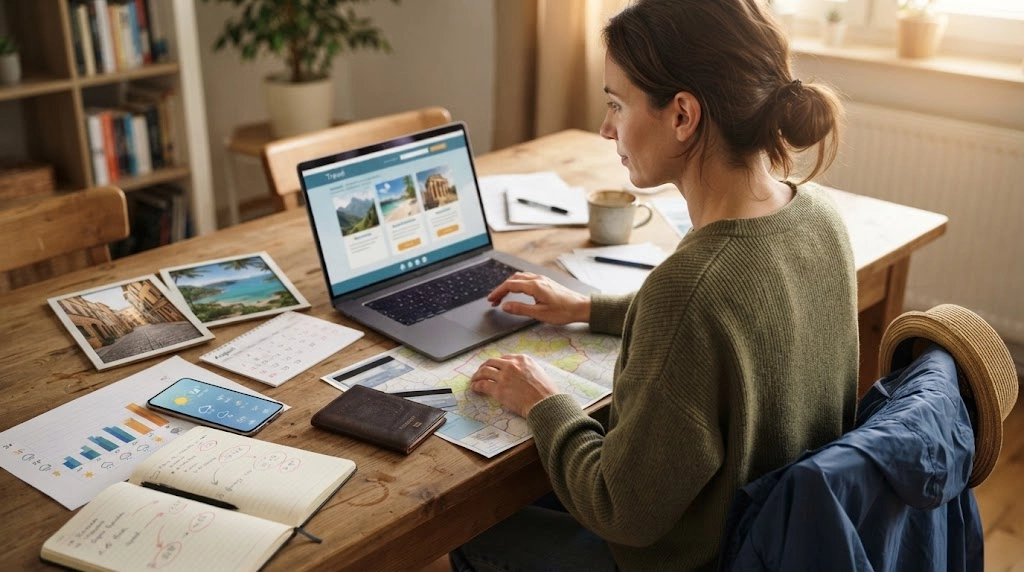
By 2026, I would avoid choosing a destination from a single “best month to visit” article. Weather variability means a layered check is much more useful.
I use the following sequence before paying for non-refundable flights or accommodation.
- Define the trip: Write down what you actually want to do each day.
- Set your temperature range: Decide which daytime and nighttime temperatures feel comfortable to you.
- Check long-term climate: Review typical monthly temperatures, rainfall, humidity, and daylight.
- Check the weather season: Research monsoons, tropical storms, snow periods, extreme heat, floods, or wildfire conditions where relevant.
- Compare two or three destinations: Use the same weather criteria for each rather than comparing vague travel descriptions.
- Check transportation resilience: Ask what happens if rain, wind, snow, or heat disrupts your first-choice plan.
- Check current official guidance: Review travel advisories, local alerts, and destination health information.
- Book sensible flexibility: Consider cancellation rules when traveling during changeable or hazardous seasons.
- Recheck shortly before departure: Use current forecasts and warnings to adjust packing and daily plans.
A quick example
Imagine you’re choosing between a hot beach destination and a mild European city for a seven-day solo trip. Your main goal is walking, cafés, museums, and photography.
The beach destination may have better-looking temperatures on paper. Yet the milder city could fit your actual itinerary better if humidity and midday heat would limit your walking.
Now reverse the goal. If you want swimming, snorkeling, and slow beach days, the warmer destination may make far more sense.
The destination didn’t become better or worse. Your weather requirements changed.
Build a Plan B before you need it
I like having at least one weather-proof alternative for each important outdoor day. It keeps an ordinary rainy morning from feeling like a ruined trip.
- Museum or gallery
- Food market
- Cooking class
- Spa or wellness activity
- Café neighborhood
- Covered shopping area
- Shorter sightseeing route near accommodation
This matters even more on a solo trip. You don’t have to negotiate with anyone else when conditions change, so you can move your schedule around quickly.
Section Takeaway: Choose weather that supports your itinerary, then keep enough flexibility for conditions that fall outside the average.
Frequently Asked Questions About Choosing a Solo Destination by Weather
What is the best weather for a woman traveling alone?
There is no single best weather for solo female travel. Mild temperatures, manageable rainfall, useful daylight, and low risk of severe weather are convenient for many travelers, but your activities and personal temperature tolerance should guide the decision.
Should I avoid the rainy season when traveling solo?
Not automatically. Some rainy seasons involve short daily showers rather than constant rain. Check local rainfall patterns, flood risks, road conditions, and transportation reliability before deciding whether the season fits your itinerary.
Is extreme heat a good reason to change destinations?
It can be. If your trip involves long walks, hiking, or extensive outdoor sightseeing, extreme heat may significantly change what you can comfortably do. Consider cooler dates, a milder destination, or an itinerary built around early mornings and indoor midday activities.
How far ahead should I check the weather?
Use historical climate information while choosing a destination months ahead. As departure approaches, switch to current forecasts and official weather warnings. Long-range climate data helps with seasonal planning, while short-range forecasts help with packing and daily scheduling.
Is shoulder season better for solo female travelers?
Shoulder season can offer milder conditions and fewer visitors in some destinations, but it isn’t universally better. Some places experience heavier rain, unstable mountain weather, reduced transport schedules, or seasonal closures during those months.
Should I choose a sunny destination for my first solo trip?
Sunshine can simplify outdoor plans, but it shouldn’t be the only criterion. For a first trip, also consider walkability, transport, daylight, accommodation location, language barriers, emergency options, and how easily you can change plans if the weather shifts.
Where can I check reliable weather information before traveling?
Start with the destination’s national meteorological service and official weather-warning system. For broader climate context, WMO resources are useful. Check current destination health advice as well, especially when extreme heat, cold, storms, or disease risks may affect your trip.
Choose Weather for the Trip You Want to Have
The smartest way to choose a solo destination based on weather is to work backward from your ideal day. Decide how much walking, beach time, hiking, sightseeing, or outdoor activity you want before comparing destinations.
Then look beyond temperature. Rain, humidity, wind, daylight, seasonal hazards, and transportation disruptions can have just as much impact on a solo trip.
Your goal isn’t to find perfect weather. It’s to choose conditions that make your preferred style of travel easier, with enough flexibility to handle the days when the forecast doesn’t cooperate.