How Can a Woman Choose a Destination for Meeting Other Travelers?
Quick Answer
A woman choosing a destination for meeting other travelers should look for more than a popular city. The best choices combine social accommodation, group activities, walkable traveler areas, easy transportation, and enough independent activities that the trip still works if she spends a day alone. Before booking, I also recommend checking current conditions through the official guidance for women travelers.
Use These Six Filters
- Social accommodation: Look for hostels, guesthouses, or communal stays with common areas and organized events.
- Group activities: Favor places with walking tours, classes, day trips, language exchanges, or small-group experiences.
- Traveler traffic: Choose destinations with a steady flow of independent travelers rather than relying on one festival or event.
- Easy movement: Reliable public transport and walkable areas make spontaneous plans much easier.
- Comfort and safety: Research neighborhoods, transport after dark, local customs, and current official travel information.
- Solo backup: Pick somewhere you would still enjoy even if you did not meet anyone that day.
My Simple Rule
- Choose a destination where meeting people is easy, but being alone never feels like the trip has failed.
If you’re wondering how can a woman choose a destination for meeting other travelers, I would start with the destination’s social structure rather than its Instagram reputation.
I’ve found that meeting people happens most naturally when accommodation, activities, transportation, and traveler gathering places make repeated contact easy.
In This Guide
- What Makes a Destination Good for Meeting Other Travelers?
- How Can You Research a Destination’s Social Scene Before Booking?
- Which Type of Destination Is Easiest for Meeting People?
- How Much Does Accommodation Affect Meeting Other Travelers?
- How Can You Balance Social Travel With Solo Female Travel Safety?
- How Can You Compare Two Social Destinations?
- Frequently Asked Questions
What Makes a Destination Good for Meeting Other Travelers?
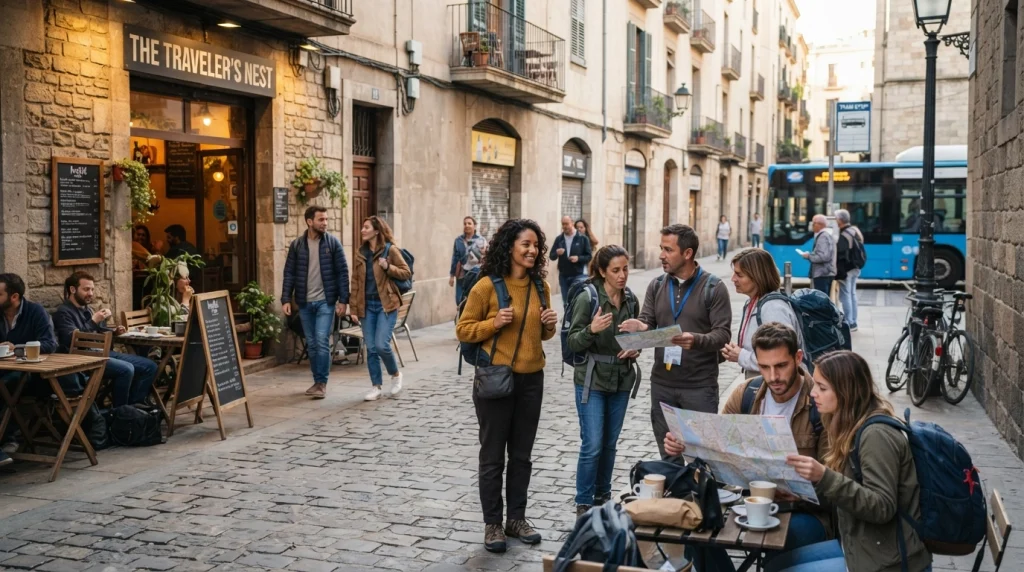
A good social destination creates repeated, low-pressure opportunities to meet people. You shouldn’t need to walk into a bar alone and hope someone starts talking to you.
A social travel destination is a place where accommodation, public spaces, activities, and traveler infrastructure regularly bring independent travelers together.
- Communal accommodation: Hostels, guesthouses, surf camps, and similar stays can create natural introductions.
- Regular group activities: Walking tours, food tours, cooking classes, hikes, and day trips give strangers something to discuss.
- Compact traveler areas: When cafés, accommodation, tours, and attractions sit fairly close together, you often see familiar faces again.
- Easy transportation: Simple metro, bus, rail, or walking routes make joining last-minute plans easier.
- A steady traveler population: Destinations visited by independent travelers throughout the season offer more opportunities than places dominated by private resort stays.
Look for repeated contact, not just crowds
A busy destination can still feel lonely. Thousands of tourists passing through sealed hotels and private tours may never interact.
I prefer places where travelers repeatedly cross paths. A morning walking tour can turn into lunch, and lunch can become plans for the following day.
Choose activities with natural conversation
Some activities are much better conversation starters than others. A silent museum visit creates fewer openings than a cooking class or small-group hike.
- Walking tours
- Food tours
- Cooking classes
- Language exchanges
- Surf lessons
- Group hikes
- Hostel dinners
- Small-group day trips
As of 2026, travel platforms are also building social tools directly into the travel experience. Hostelworld, for example, offers traveler chats, profiles, events, and social features designed around connecting people on the road.
Section Takeaway: A social destination isn’t simply crowded. It gives independent travelers repeated reasons to interact naturally.
How Can You Research a Destination’s Social Scene Before Booking?
Research the social experience almost like you would research transportation. Look for evidence that people can meet without depending on luck.
Search accommodation reviews for social clues
Don’t rely only on an accommodation’s overall rating. Read recent reviews and search for comments about atmosphere, common areas, staff events, dinners, tours, and meeting other travelers.
Useful review phrases include:
- “easy to meet people”
- “great common area”
- “solo travelers”
- “group dinner”
- “walking tour”
- “friendly atmosphere”
- “social but not a party hostel”
The final phrase matters to me. A social hostel and a party hostel are not the same thing.
Check whether activities run throughout the week
A destination becomes easier socially when group experiences operate frequently. One Saturday pub crawl doesn’t help much when you arrive Monday.
Search for several options across different interests and times of day.
- Morning walking tours
- Afternoon classes
- Evening food tours
- Weekend markets or events
- Full-day excursions
- Community or language meetups
See whether travelers connect before arrival
Social travel increasingly begins before check-in. Hostelworld’s current social features include city and hostel chats, traveler profiles, activities, and ways to connect with other travelers.
You can review the platform’s social travel features when researching how much traveler interaction may be available.
I wouldn’t choose a destination solely because an app has active users there. I would treat that as one extra signal alongside accommodation, activities, transport, and reviews.
Section Takeaway: Research actual opportunities to interact rather than assuming a famous backpacker destination will automatically feel social.
Which Type of Destination Is Easiest for Meeting People?
Medium and large traveler-friendly cities are often the simplest places to start. They usually offer more accommodation choices, group activities, public transport, and gathering spaces.
Smaller destinations can also be social, especially when most travelers stay within the same compact area.
| Destination Type | Social Potential | Best Feature | Possible Drawback |
|---|---|---|---|
| Large city | High when traveler infrastructure is strong | Many tours, hostels, events, and meetups | People can feel spread across different neighborhoods |
| Compact tourist city | Often high | Travelers repeatedly cross paths | Can become crowded in peak season |
| Beach or surf town | Often high | Lessons, shared accommodation, and relaxed social spaces | Seasonality can strongly affect atmosphere |
| Small rural town | Variable | Repeated contact with the same travelers and locals | Few organized activities or accommodation choices |
| Resort destination | Variable | Organized excursions may create contact | Private hotels and couples-focused travel can limit interaction |
Don’t dismiss large cities
A large city can seem intimidating, yet it gives you options. You can join a walking tour in the morning and a cooking class later without depending on the same group.
Lonely Planet’s current solo-travel coverage also highlights communal hostels, cafés, food spaces, and organized experiences as useful social environments for people traveling alone.
If you’re comparing destinations, browse current solo travel destination guidance and then research your shortlist in detail.
Consider how long people stay
Fast stopover destinations can produce many introductions but few deeper connections. People may arrive in the afternoon and leave the next morning.
I prefer destinations where a typical itinerary gives travelers several days. Seeing someone twice removes much of the awkwardness from starting a second conversation.
Section Takeaway: Choose the type of destination that creates repeated contact, not simply the destination with the biggest tourist numbers.
How Much Does Accommodation Affect Meeting Other Travelers?
Accommodation can influence your social experience more than the city itself. A social hostel in an ordinary destination can make meeting people easier than an isolated hotel in a famous backpacker city.
You don’t necessarily need a dorm
Many women assume that meeting travelers means sleeping in a large shared dorm. It doesn’t.
Some hostels and guesthouses offer private rooms while still giving guests access to lounges, kitchens, terraces, tours, and social events.
- Dorm room: Maximum casual interaction, but less privacy.
- Private hostel room: More personal space while keeping communal areas.
- Guesthouse: Can feel personal, especially when guests share breakfast or common spaces.
- Hotel: Comfortable and private, but usually requires more effort to meet other travelers.
- Apartment: Maximum independence, but often minimal built-in social contact.
Look at the common spaces
I pay close attention to accommodation photos. A comfortable shared kitchen, courtyard, rooftop, café, or lounge tells me more about social potential than stylish dorm furniture.
Then I check whether people mention using those spaces in recent reviews.
Look for structured events
Events remove the hardest part of meeting people: deciding how to approach them. Everyone has already chosen to participate.
- Shared dinners
- Walking tours
- Game nights
- Cooking nights
- Beach outings
- Hikes
- Language exchanges
- Small bar or café outings
Hostelworld’s guidance on meeting people in hostels similarly emphasizes common spaces, organized events, and shared plans.
Section Takeaway: When social connection matters, treat accommodation as part of your itinerary rather than simply somewhere to sleep.
How Can You Balance Social Travel With Solo Female Travel Safety?
Wanting to meet people should never mean giving strangers control over your transportation, accommodation, money, drinks, or return plans. Social travel works best when connection stays optional.
I like knowing that I can join a group for dinner and still leave independently whenever I want.
Research the destination before its nightlife
Check current official information about neighborhoods, transportation, local customs, laws, and conditions affecting women travelers.
The U.S. State Department specifically advises women travelers to research local customs, reputable transportation, accommodation safety, and destination-specific risks.
Pro tip: Travel conditions can change after you book. Recheck official destination guidance shortly before departure instead of relying only on old blogs or social media posts.
Keep first meetings public
When I meet travelers through an app, hostel chat, or online group, I prefer a café, hostel common area, walking tour, or other public setting.
- Meet somewhere public.
- Keep your own phone charged.
- Know your route back.
- Keep control of your room key and belongings.
- Avoid sharing unnecessary accommodation details.
- Leave when the situation stops feeling comfortable.
Don’t let a new group replace your judgment
Meeting friendly people can create a quick feeling of trust. Travel friendships sometimes develop within hours because everyone is sharing an intense new experience.
I enjoy that openness, but I don’t confuse instant connection with knowing someone well.
Keep your own transportation options, money, accommodation access, and decision-making. You can be friendly without becoming dependent.
Section Takeaway: The best social destination lets you meet people easily while keeping full control over your plans and boundaries.
How Can You Compare Two Social Destinations?
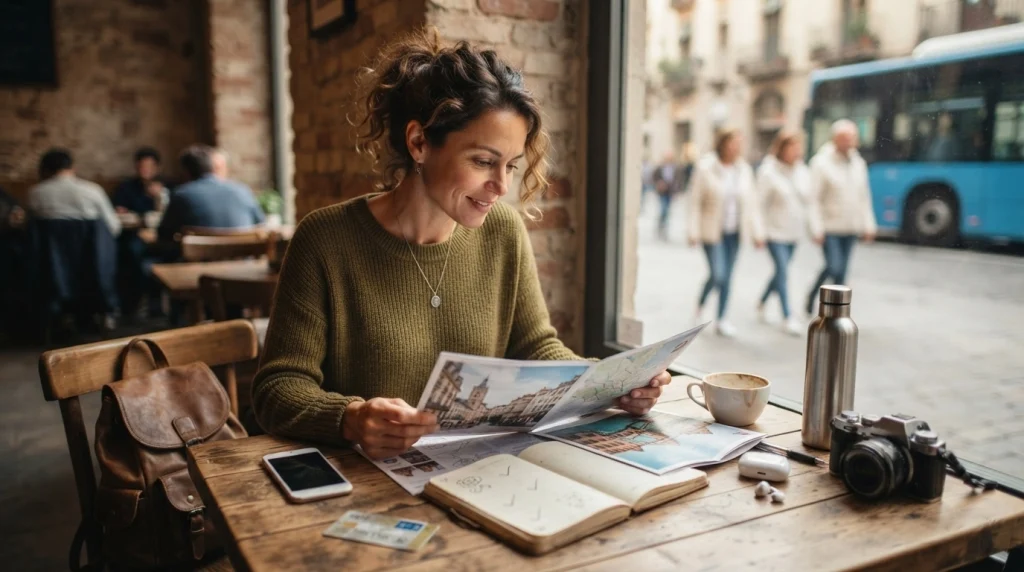
When two places both sound appealing, I use a simple scorecard. The goal isn’t to declare one destination universally better.
It helps reveal which place better matches the social experience you want.
| Question | Destination A | Destination B |
|---|---|---|
| Are there well-reviewed social accommodations? | Yes / Some / Few | Yes / Some / Few |
| Are group activities available most days? | Yes / Limited | Yes / Limited |
| Can I move around easily without companions? | Easy / Moderate / Difficult | Easy / Moderate / Difficult |
| Would I enjoy spending a full day alone here? | Yes / Maybe / No | Yes / Maybe / No |
| Do current conditions fit my comfort level? | Yes / Research more | Yes / Research more |
Ask the question people often forget
Would you still want to visit if you didn’t make a new friend during the first 48 hours?
My answer needs to be yes.
That question protects you from choosing a destination purely because other people describe it as social. Your interests still matter.
Match the destination to your social style
An introverted traveler may prefer morning walking tours and small cooking classes. An outgoing traveler may enjoy larger hostel events and nightlife.
- If you’re shy: Choose structured activities where conversation has a purpose.
- If you’re outgoing: Look for active hostels and frequent community events.
- If you value privacy: Consider a private hostel room or social guesthouse.
- If you dislike nightlife: Prioritize daytime tours, classes, cafés, hikes, and communal meals.
- If you want deeper connections: Stay several nights instead of changing destinations every day.
I would rather stay five nights in one social base than rush through three cities while trying to make friends repeatedly from zero.
Section Takeaway: The right social destination fits both your desire for connection and the way you genuinely enjoy spending time alone.
Frequently Asked Questions
What type of destination is best for meeting other solo travelers?
Traveler-friendly cities, compact backpacker destinations, beach or surf towns, and places with several hostels and organized activities often create good opportunities. The strongest sign is not popularity alone, but repeated opportunities through communal accommodation, tours, classes, shared transportation, and social spaces.
Do I need to stay in a hostel to meet other travelers?
No. You can meet travelers through walking tours, classes, day trips, language exchanges, cafés, online communities, and local events. A social hostel can make introductions easier, but a private room in a hostel or communal guesthouse can offer both privacy and social contact.
How can an introverted woman meet people while traveling?
Choose structured activities that create a natural reason to speak, such as walking tours, cooking classes, food tours, or small-group excursions. These settings remove much of the pressure of approaching strangers without context and let you leave when you’ve had enough social time.
Are big cities better than small towns for meeting travelers?
Big cities usually offer more hostels, tours, events, and traveler communities, while compact towns may create repeated contact with the same people. Neither is automatically better. Consider whether social opportunities are accessible from the neighborhood where you plan to stay.
How many nights should I stay if I want to make travel friends?
There is no universal number, but staying several nights gives you more chances to see people again. A rushed one-night stop often limits interactions, while a longer base lets a walking-tour conversation turn into dinner, another activity, or shared travel plans.
How can I tell whether a hostel is social but not a party hostel?
Read recent reviews for phrases such as “friendly,” “easy to meet people,” “group dinner,” and “good common area.” Then check whether social events include daytime tours, meals, games, or classes instead of focusing almost entirely on bars and late-night parties.
Is it safe to meet travelers through travel apps?
Apps can help create introductions, but use the same judgment you would with anyone new. Meet in public, keep control of your transportation and accommodation information, maintain your own way home, and leave immediately if the situation becomes uncomfortable.
Choose a Destination That Works Socially and Solo
Choosing a destination for meeting other travelers isn’t about finding the world’s friendliest city. It’s about finding a place where your daily routine naturally crosses paths with other independent travelers.
Start with accommodation, group activities, transportation, current safety information, and how long people tend to stay.
- Choose social accommodation or communal spaces.
- Look for activities running throughout the week.
- Favor destinations that are easy to explore independently.
- Check current conditions before booking and again before departure.
- Keep your own transportation, money, and accommodation decisions under your control.
- Choose somewhere you would still enjoy on a completely solo day.
That final point matters most to me. The healthiest social solo trip is one where new friendships improve the experience rather than determine whether the trip succeeds.
Pick a destination that gives you both options: plenty of doors to connection and enough confidence to enjoy walking through the city alone.