How to Find GPS Tracker in Car Quickly and Easily Explained
Finding a GPS tracker in your car can seem daunting, but with the right approach, you can locate hidden devices quickly and easily. This guide walks you through simple, effective steps to spot trackers, understand their common hiding spots, and secure your vehicle and privacy.
Key Takeaways
- Understand GPS trackers: Learn what they are and how they work to better identify suspicious devices.
- Inspect common hiding spots: Focus on areas like under the car, inside the dashboard, and wheel wells.
- Use scanning tools: Utilize GPS detector apps or RF signal detectors to find active trackers.
- Check your car’s wiring: Unusual wires or magnetic devices can indicate hidden trackers.
- Perform a physical sweep: Carefully examine your car’s interior and exterior for unfamiliar objects.
- Seek professional help if needed: Car security experts can provide thorough inspections.
- Protect your privacy: Regularly check your vehicle if you suspect tracking or stalking risks.
How to Find GPS Tracker in Car Quickly and Easily Explained
If you suspect someone has placed a GPS tracker on your car, it’s important to act quickly. This guide will teach you how to find a GPS tracker in your car step-by-step, using simple methods and tools. Whether you want to protect your privacy or just want peace of mind, you’ll learn how to inspect your vehicle thoroughly and spot hidden devices.
Step 1: Understand What a GPS Tracker Is and How It Works
Before you start looking, it’s helpful to know what a GPS tracker looks like and how it operates. A GPS tracker is a small device that uses satellite signals to determine the vehicle’s location. It then sends this data through cellular networks to a remote user. Trackers can be wired into the car’s electrical system or be standalone magnetic devices attached underneath.
Visual guide about How to Find GPS Tracker in Car Quickly and Easily Explained
Image source: family1st.io
Common features of GPS trackers:
- Small and compact design
- Magnetic casing or wired connection
- Battery-powered or powered by the vehicle
- Often black or dark-colored to blend in
Step 2: Check Common Hiding Spots for GPS Trackers
Most trackers are hidden in places that are hard to see but easy to attach. Knowing these spots can save you time and effort.
Underneath the Car
Many GPS trackers use strong magnets and hide under the car’s chassis, near the fuel tank, or on the axle. Use a flashlight and look carefully along the metal parts beneath your car. Run your hand over surfaces to feel for any unusual bumps or devices.
Inside the Wheel Wells
Wheel wells are another popular hiding place. Check inside the plastic lining for any foreign objects. Trackers placed here rely on strong magnets or zip ties.
Inside the Dashboard or Behind Panels
Some trackers are wired into the car’s electrical system. Open the dashboard, glove box, or under the steering column to look for unfamiliar wires or small boxes.
Under Seats and Floor Mats
Don’t forget to inspect under seats and carpet areas. Trackers can be slipped under floor mats or taped to the underside of seats.
Step 3: Use Technology to Detect GPS Trackers
Sometimes, a physical search isn’t enough. Electronic devices can help you find hidden trackers more efficiently.
GPS Signal Detectors and RF Scanners
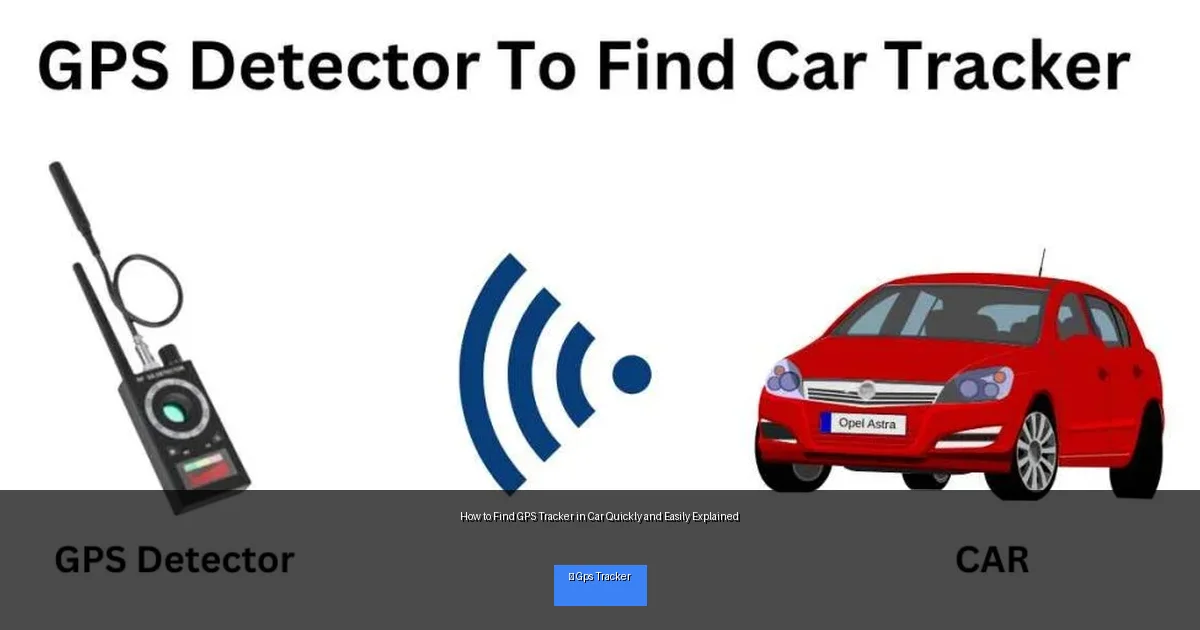
These handheld devices can detect the radio frequency signals that GPS trackers emit. Sweep your car slowly with an RF scanner to spot any active trackers. Note that some trackers can be turned off or use low signals, so results aren’t always guaranteed.
Smartphone Apps
There are apps available that claim to detect GPS signals or Bluetooth trackers. While these apps can aid your search, they are less reliable than dedicated RF detectors.
Step 4: Inspect Your Car’s Wiring and Electrical System
If a tracker is wired into your vehicle, it will need a power source. Look for:
- Unfamiliar wires taped or connected near the OBD-II port (usually under the dashboard)
- Extra wiring near the battery or fuse box
- Loose or damaged panels that could hide devices
If you find unfamiliar wiring, trace it carefully. If you’re unsure, take your car to an automotive electrician or security specialist.
Step 5: Perform a Thorough Physical Sweep
Use gloves and good lighting to check every inch of your vehicle. Don’t rush; take your time to inspect:
- Underneath the car and wheel wells
- Inside door panels and seats
- Trunk area, including under spare tires
- The roof area, especially near roof racks or antennas
Use a mirror and a flashlight to see hidden areas. Feel for any bumps, boxes, or cables that don’t belong.
Step 6: Troubleshooting If You Can’t Find a Tracker
If you still suspect a tracker but can’t locate it, consider these tips:
- Check for unusual phone activity: Sometimes trackers send data to phones or other devices.
- Monitor your vehicle’s battery: A tracker wired to the battery may drain power.
- Consult a professional: Vehicle security experts have specialized tools and experience.
Step 7: Protect Yourself From Future Tracking
Once you’ve removed any GPS trackers, take steps to protect your car:
- Park in secure, well-lit areas
- Regularly inspect your vehicle for new devices
- Use steering wheel locks or car alarms
- Consider installing anti-tracking devices
Conclusion
Finding a GPS tracker in your car doesn’t have to be complicated. With the right knowledge and step-by-step approach, you can quickly locate and remove hidden devices. Always stay vigilant and protect your privacy by checking your vehicle regularly. Remember, if you feel uncomfortable or unable to find the tracker yourself, professional help is just a call away.