What Hiking Backpack Should Beginners Get Guide for Easy Trails
Choosing the right hiking backpack is essential for beginners starting on easy trails. This guide helps you understand what features to look for, how to pick the right size, and tips for comfortable hiking. Get ready to enjoy your outdoor adventures with the perfect beginner hiking backpack.
Key Takeaways
- Choose the right size: Select a backpack with the right capacity based on the length of your hike and gear needs.
- Comfort matters: Look for padded straps and adjustable features to ensure a good fit for your body.
- Durability is key: Pick backpacks made from sturdy materials that can handle outdoor conditions.
- Keep it simple: Beginners should opt for backpacks with easy-to-use compartments and minimal extra features.
- Packing smart: Learn how to organize your gear efficiently for balanced weight distribution.
- Test before you buy: Try on backpacks with weight to find the most comfortable option.
- Stay within budget: Affordable backpacks can still offer quality and comfort for new hikers.
What Hiking Backpack Should Beginners Get Guide for Easy Trails
Starting hiking on easy trails is exciting, and having the right backpack makes all the difference. This guide will teach you how to choose a hiking backpack perfect for beginners. You will learn about sizes, features, packing tips, and how to make your hiking experience comfortable and stress-free. Let’s dive in!
Step 1: Understand What You Need in a Hiking Backpack
Before buying, think about what you’ll carry and how long your hikes typically last. For beginners on easy trails, you usually need a smaller, lighter backpack. It should fit your body well and hold essentials without being bulky.
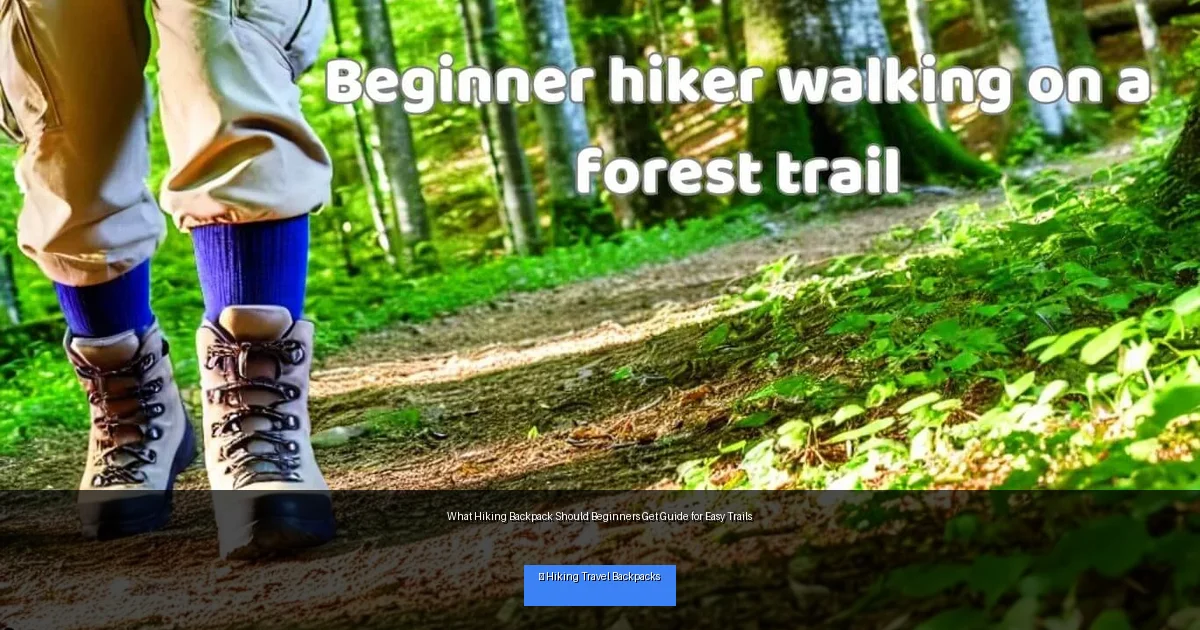
Visual guide about What Hiking Backpack Should Beginners Get Guide for Easy Trails
Image source: hikingzest.com
Backpack Capacity
Backpack size is measured in liters. For day hikes, 15-30 liters is usually enough. This size can hold water, snacks, a first aid kit, extra clothing, and small gear. If you plan to hike longer or overnight later, consider a larger pack (40+ liters), but keep it simple at first.
Comfort Features
Look for padded shoulder straps and a padded back panel. Adjustable straps for the torso and waist help distribute weight evenly. These features reduce strain and make walking easier.
Step 2: Choose the Right Hiking Backpack Size
Getting the right size backpack is crucial. Too big, and it feels heavy and awkward. Too small, and you can’t fit your gear.
Measure Your Torso Length
Your torso length affects how the backpack fits. Measure from the base of your neck (where the spine meets the shoulders) down to the top of your hip bones. Many backpacks offer size guides to match torso length. Choose a pack that fits your measurement for better support.
Consider Your Frame and Build
If you have a smaller frame, look for backpacks designed for women or smaller bodies. They often have narrower straps and better fit for shorter torsos.
Step 3: Look for Beginner-Friendly Features
Simple designs work best for beginners. Avoid backpacks with too many compartments or complicated features that can confuse you.
Essential Compartments
- Main compartment: Big enough for your gear.
- Side pockets: Good for water bottles or snacks.
- Front pocket: Handy for maps or small items.
Hydration Compatibility
Many backpacks have a sleeve for a hydration bladder (water reservoir). This feature is convenient but optional for beginners. If you prefer water bottles, side mesh pockets are fine.
Step 4: Pick Durable and Lightweight Materials
Backpacks for hiking should be made from strong materials like nylon or polyester. These fabrics resist tears and dry quickly if wet. For easy trails, you don’t need heavy-duty expedition packs, but look for quality fabrics.
Water Resistance
Some backpacks come with water-resistant coatings or rain covers. These protect your gear in light rain. If your pack doesn’t have one, you can buy a rain cover separately.
Step 5: Try It On and Adjust
Before buying, try the backpack on with some weight inside (like water bottles or clothes). Walk around the store or your home to see how it feels. Adjust the straps and waist belt to fit snugly but comfortably.
Check for Pressure Points
If you feel pain or pressure on your shoulders or hips, try a different model. Comfort is key, especially for beginners who may hike for a few hours.
Step 6: Learn How to Pack Your Backpack
Packing properly makes your hike easier. Keep heavy items close to your back and centered. Lighter items go on top or in outer pockets.
Packing Tips
- Place water and snacks where you can reach them easily.
- Keep first aid and emergency items in an accessible pocket.
- Use compression straps to reduce bulk and stabilize the load.
Troubleshooting Common Issues
Backpack Feels Uncomfortable During the Hike
Try adjusting the shoulder, chest, and waist straps. Loosen or tighten to distribute weight better. Also, check if your pack is overloaded. Remove unnecessary items.
Backpack Slides Around
Ensure the waist belt is snug. A loose waist belt means the pack’s weight rests on your shoulders, causing sliding. Adjust the straps for a firm fit.
Straps Dig Into Your Skin
If padding isn’t enough, consider adding strap covers or wearing long-sleeve clothing. Also, check if the backpack size matches your frame.
Conclusion
Choosing the right hiking backpack for beginners on easy trails is simple when you know what to look for. Focus on size, comfort, and simplicity. Test different packs and practice packing smart. With the right backpack, your hiking trips will be more enjoyable and comfortable. Get ready to explore nature with confidence!
🎥 Related Video: Beginner Backpacking – How to get Started
📺 Outdoor Adventures
How do you get started backpacking. Well I will tell you it’s not at an outdoor store. Don’t buy your gear just yet. Do these things …